Written by: Luis Teran, Co-founder, CEO, TenantEvaluation
Key Takeaways
- Florida condo associations face heavy fraud risk, with up to 40% of applications flagged as fraudulent, so early red flag detection is critical.
- Use both manual review and automated tools to verify documents and catch AI-generated fakes, confirming income against employment and bank data.
- Run FCRA-compliant background checks that cover criminal records, evictions, and credit, using approved bureau resellers to reduce legal exposure.
- Adopt biometric ID verification with liveness detection to stop impersonation and synthetic identities, cutting fraud by about 25%.
- Automate workflows, analytics, and board approvals with TenantEvaluation to reduce processing time by up to 70% while staying compliant.
1. Spot Application Red Flags Before Board Review
Red flags on tenant applications form your first defense against fraud in condo resident screening. Professional scammers often submit polished applications with subtle inconsistencies that busy teams overlook. Poor credit scores below 600 indicate financial instability, while incomplete applications with missing employer details or conflicting addresses signal possible fraud.
Other warning signs include unverifiable income sources, frequent job changes in short periods, and unexplained rental history gaps. Prior evictions signal potential future nonpayment, especially when multiple evictions appear within five years. Criminal background checks must follow fair housing rules while still identifying convictions that affect community safety.
Red Flag Checklist:
- Income-to-rent ratio below 3:1
- Employment dates that do not match the credit report
- Refusal to provide landlord references
- Offers to prepay large amounts without proper verification
- Evasive communication or urgent, pressured move-in requests
TenantEvaluation’s intelligent form logic flags these issues automatically, so fraudulent applications rarely reach the board and CAMs recover valuable time.
2. Combine Manual and Automated Income & Document Checks
Strong document verification blends human judgment with automated fraud detection to catch advanced forgeries. AI-generated fake pay stubs are increasingly common, so income fraud now affects many Florida condo associations. Manual review alone cannot reliably detect these fakes at scale.
Reliable income checks include direct employer contact, careful bank statement review, and cross-checking every income source. Discrepancies between the application and credit report justify rejection, because they often show intentional misrepresentation. Tax returns, W-2s, and recent pay stubs should align with the applicant’s stated job history.
Document Verification Checklist:
- Direct employer verification calls with documented responses
- Bank statement review for consistent deposits and sources
- Pay stub format and math accuracy checks
- Tax document cross-referencing against stated income
- Employment history timeline confirmed across all records
TenantEvaluation’s IncomeEv solution automates these steps, contacts employers directly, and delivers clear income verification reports that remove guesswork for condo boards.

3. Use Full Background and Credit Checks that Follow FCRA
FCRA-compliant background checks create the foundation for safe condo resident screening. State-specific laws now see stronger enforcement alongside federal FCRA rules, so associations must follow strict consent, disclosure, and adverse action procedures. Working with legitimate credit bureau resellers helps reduce liability.
Thorough screening covers nationwide criminal records, eviction history, and detailed credit analysis. Multiple evictions within five years reveal a pattern of nonpayment. Criminal records require individualized Fair Housing review under HUD guidance, with attention on offenses that affect resident safety rather than blanket bans.
Background Check Components:
- Nationwide criminal database searches
- Sex offender registry checks
- Eviction court record review
- Credit report with full payment history
- Verification of previous landlord references
TenantEvaluation’s SafeCheck+ solution delivers FCRA-compliant screening through direct TransUnion and Equifax reseller relationships, supporting accurate data and legal protection for condo associations.
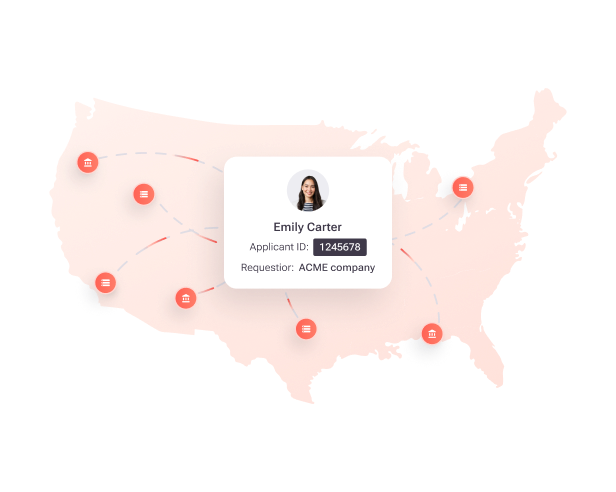
See how TenantEvaluation’s screening tools block fraud smoothly. Schedule a demo today.
4. Add Biometric ID Verification to Confirm Applicant Identity
Biometric ID verification upgrades screening from document review to true identity confirmation. Biometric facial checks can reduce fraud by about 25% by confirming both physical presence and identity before approval.
Traditional methods rely on uploaded documents that cannot fully prevent impersonation or synthetic identities. Modern biometric tools combine government ID validation, AI-driven liveness detection, and facial landmark matching to confirm the real person behind the application. Identity verification platforms use biometric comparison and ID tampering analysis to uncover stolen or fabricated identities.
TenantEvaluation’s IDVerify fits directly into the existing screening flow without outside portals or extra logins. This native setup protects applicant trust while adding multi-layer fraud prevention tailored to condo association risk.

5. Streamline Board Approvals with Automated Workflows
Automated workflows remove board approval bottlenecks that delay move-ins and reduce revenue. Florida’s updated disclosure rules under HB 1021 require sellers to share association fiscal stability details, so clear approval processes now support market confidence.
Automation replaces long email threads and manual file sharing between CAMs and board members. House Bill 913 requires digital portals for condo associations with 25 or more units, which aligns naturally with digital approval systems.
Workflow Automation Benefits:
- Real-time tracking of each application’s status
- Automatic notifications to board members when action is needed
- Built-in voting and approval tools
- Full audit trail for every decision
- Processing time reduced from several days to a few hours
TenantEvaluation’s QuickApprove dashboard gives board members instant access to summaries, voting panels, and workflows, cutting delays while keeping every step transparent.
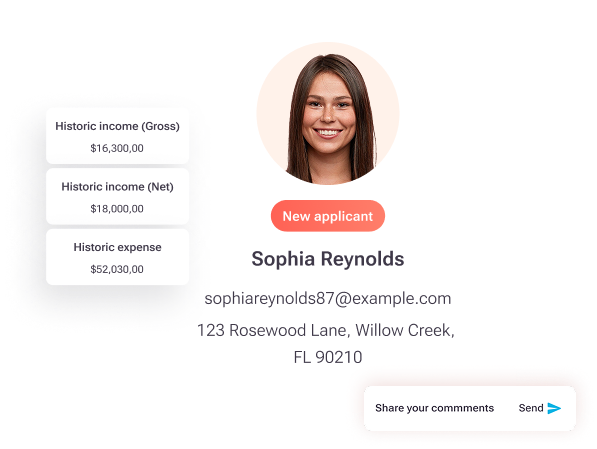
6. Protect Your Association with FCRA-Compliant Screening
FCRA-compliant screening shields condo associations from lawsuits and supports fair treatment for applicants. Electronic consent forms must stay clear, easy to access, and standalone, not hidden inside other documents. Proper adverse action handling includes a waiting period of at least five business days after pre-adverse notice before final denial.
Associations should rely on approved credit bureau resellers instead of unregulated data scrapers to avoid violations. FCRA compliance remains a major risk area despite lower CFPB enforcement, and plaintiff attorneys now focus on non-compliant screening practices.
FCRA Compliance Requirements:
- Clear, standalone disclosure documents
- Written authorization before any screening
- Documented adverse action procedures
- Defined dispute and reinvestigation process
- Protocols for data accuracy, updates, and corrections
TenantEvaluation keeps direct reseller relationships with TransUnion and Equifax, follows strict bureau rules, and includes regular compliance audits plus built-in adverse action workflows.
7. Use Analytics and Monitoring to Stay Ahead of Fraud
Data analytics turn fraud prevention from a reactive task into a proactive strategy. Community associations can spot fraud patterns, refine screening criteria, and increase revenue through better decisions. AI screening tools have reduced evictions by up to 30% for some property managers by providing predictive risk scores.
Ongoing monitoring includes tracking application volume, spotting seasonal fraud spikes, and reviewing community demographics for long-term planning. Revenue gains come from faster processing, shorter vacancy periods, and automated fee collection.
Analytics Applications:
- Identifying recurring fraud patterns and tactics
- Analyzing community demographics for planning
- Tracking revenue impact from screening decisions
- Measuring processing speed and team efficiency
- Preparing for compliance and audit reviews
TenantEvaluation’s analytics dashboard delivers community insights, processing metrics, and revenue tracking so condo associations can improve both security and financial performance.
Conclusion: Build a Fraud-Resistant Condo Screening Program
These seven tactics for fraud prevention in condo resident application screening help Florida community associations fight identity fraud while simplifying operations. TenantEvaluation’s specialized platform supports more than 5,000 communities and processes over 100,000 applications each year, with a 4.8/5 Google rating backed by FCRA-compliant, biometric-enhanced screening.
The combined use of automated red flag detection, full background checks, biometric verification, and board-focused workflows creates a screening environment that protects revenue instead of draining resources. With direct credit bureau reseller status and Florida-specific compliance tools, TenantEvaluation addresses the real-world challenges condo associations face in today’s fraud-heavy market.
Begin fraud-resistant screening with TenantEvaluation’s platform. Schedule a demo today.
Frequently Asked Questions
How does biometric verification prevent condo fraud?
Biometric verification prevents condo fraud by confirming physical presence and identity through AI-powered liveness checks, government ID validation, and facial landmark matching. TenantEvaluation’s IDVerify+ solution embeds these tools directly into the screening workflow and removes the opportunity for impersonation or synthetic identity fraud that document-only screening misses. This layered approach ensures that approved applicants are real, verified individuals instead of fabricated personas.
Is TenantEvaluation FCRA compliant for condos?
Yes, TenantEvaluation operates as a direct reseller of TransUnion and Equifax data and maintains full FCRA compliance with built-in adverse action workflows, automated consent collection, and complete audit trails. The platform was designed for community associations with FCRA compliance as a core requirement. Regular audits and strict permissible purpose controls help condo associations access legitimate credit data while reducing liability.
What are the biggest red flags on tenant applications?
Major red flags include income-to-rent ratios below 3:1, multiple evictions within five years, unverifiable employment, and mismatches between the application and the credit report. Other warning signs include incomplete applications, evasive or inconsistent communication, offers to prepay large sums without verification, and criminal convictions that affect community safety. TenantEvaluation’s intelligent form logic highlights these issues before applications reach the board.
What disqualifies someone from condo approval?
Common disqualifiers include credit scores below 600, recent evictions, unverifiable or inconsistent income, relevant criminal convictions, and clear evidence of fraud on the application. Community associations still must follow Fair Housing guidelines and use individualized assessments instead of blanket bans. Each association can set its own criteria based on bylaws and risk tolerance, and TenantEvaluation helps apply those standards consistently and compliantly.
How do you handle fraud alerts on apartment applications?
Fraud alerts call for immediate review through document checks, direct employer contact, and identity confirmation. When fraud appears likely, pause the approval process, record every inconsistency, and run enhanced verification that includes biometric identity checks. TenantEvaluation’s automated fraud tools flag suspicious applications quickly, while IDVerify+ provides firm identity confirmation before any final approval.
