Written by: Luis Teran, Co-founder, CEO, TenantEvaluation | Last updated: December 29, 2025
Key Takeaways
- Cloud-based HOA management platforms centralize applications, documents, payments, and communication, which reduces manual work for Florida communities.
- Remote, always-on access helps board members, CAMs, and residents stay connected during travel, multi-property oversight, or weather-related disruptions common in Florida.
- Centralized records, audit trails, and secure storage support Florida-specific compliance while improving data security and reducing liability.
- Scalable, subscription-based software improves financial visibility and operational efficiency without large hardware or IT investments.
- Tenant Evaluation offers a cloud-based platform built for associations that want faster applications, better screening, and clearer compliance workflows. Schedule a demo today to see it in action.
The Critical Need for Cloud-Based HOA Management in Florida
Florida HOAs face increasing pressure to manage more residents, regulations, and expectations with limited staff time. Manual, paper-based processes often slow approvals, increase errors, and make it harder to respond quickly to owners and applicants.
Cloud-based HOA management platforms give associations a single, secure system for applications, payments, communication, and records. This approach supports remote work, automates repetitive tasks, and gives boards and CAMs clearer insight into operations and compliance across every community they manage.
1. Operational Efficiency and Automation
Automation removes many of the repetitive steps that slow down Florida associations. Cloud workflows replace manual forms, stamps, and signatures for routine tasks, which reduces clerical work and speeds up responses.
Modern HOA platforms automate core processes such as application intake, document collection, fee reminders, and approval routing. Automated checks for document completeness and basic eligibility reduce back-and-forth with applicants and help staff focus on exceptions instead of every file.
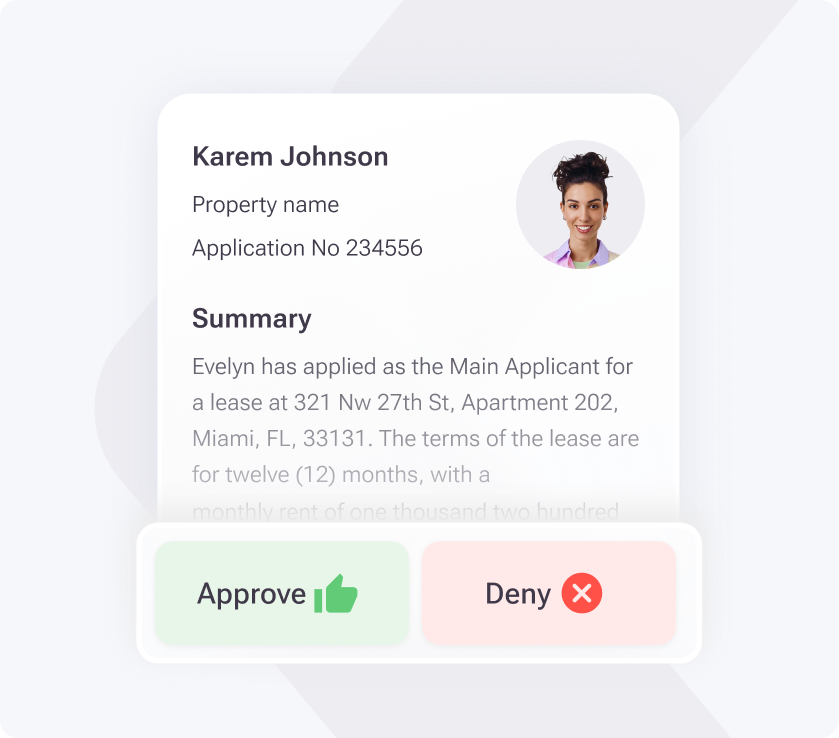
These automated workflows help standardize reviews, reduce delays, and create more predictable timelines for owners, tenants, and real estate professionals.
2. Accessibility and Remote Management
Remote access has become a core requirement for HOA operations. Cloud-based HOA software keeps records and tools available anywhere there is an internet connection, which supports off-site staff, traveling board members, and vendors.
Volunteer board members and homeowners gain self-service access to rules, amenities, and key documents through online portals. CAMs and board members can review applications, approve items, and check financials from a laptop or phone, instead of waiting to get back to the office.
Schedule a demo today to see how cloud-based access can support your team across multiple Florida communities.
3. Data Security and Compliance With Florida Requirements
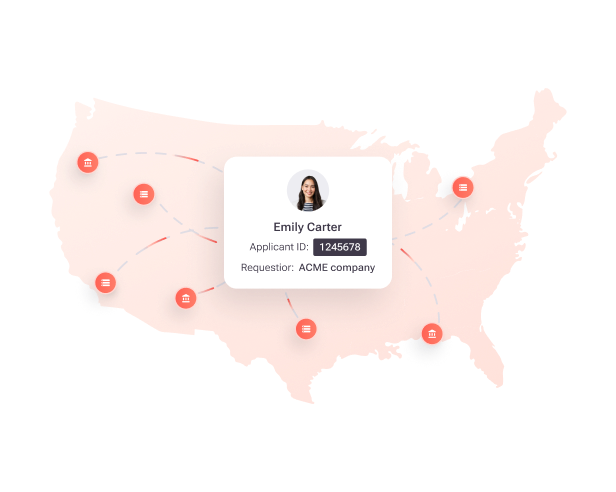
Handling applications, background checks, and payment data requires strong security. Modern HOA platforms use tools such as encryption, two-factor authentication, regular audits, and secure cloud storage to protect sensitive information.
Cloud infrastructure reduces risks tied to local hardware failures by storing data in secure, redundant environments. PCI-compliant payment processing, controlled access, and automatic redaction of sensitive details help HOAs reduce exposure and meet privacy expectations.
Detailed audit trails, timestamps, and standardized reports improve transparency and support oversight, which is especially important when Florida regulators, auditors, or owners request documentation.
4. Transparency and Clear Communication
Cloud-based portals give residents, board members, and managers shared visibility into what is happening in the community. Online dashboards make it easy to publish documents, meeting minutes, and announcements in one place instead of across emails and printouts.
Centralized communication tools help share documents, post updates, and stay in touch with residents and staff. Message boards, email alerts, mobile apps, and discussion forums create multiple ways to reach owners, which can cut down on confusion and reduce call volume.
This level of transparency gives residents clearer insight into how decisions are made and how funds are used, which can build trust over time.
5. Scalability for Growing Florida Communities
Growing communities often struggle to keep older processes and systems in sync with new units, residents, and amenities. Cloud-based platforms scale to support more users and data without major infrastructure investments or in-house IT management.
Automated workflows and integrations help maintain efficiency as workload increases, so teams can add communities or buildings without rebuilding their processes.
This flexibility is valuable in fast-growing parts of Florida where new developments, investor activity, and frequent ownership changes are common.
6. Cost-Effectiveness and Financial Health
Cloud-based systems often replace several separate tools and reduce spending on hardware, printing, and manual processing. Subscription pricing, automation, and the absence of on-site servers can lower overall operating costs for many associations.
Online payment portals support credit card and e-check payments, automatic deposits, and scheduled payments, which can speed up collections and cut down on paper checks.
Automated dues collection, budget tracking, and expense management improve financial visibility and reduce disputes. Clear, real-time reporting helps boards monitor reserves, plan projects, and communicate financial status to owners.
7. Data-Driven Insights for Better Decisions
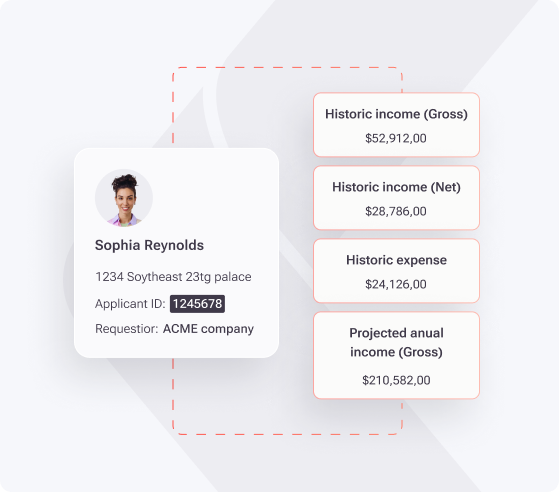
Cloud-based HOA platforms capture data across applications, payments, violations, maintenance, and communication. Built-in reporting tools turn that data into practical views that support everyday decisions.
Boards and CAMs can track metrics such as application cycle times, collection rates, maintenance backlogs, and portal usage. Patterns in these reports reveal where policies, staffing, or communication need adjustment.
Demographic and usage data can also inform choices about amenities, security, and long-term investments. Communities can evaluate which initiatives increase satisfaction and which add unnecessary cost, then adjust budgets and rules with clearer evidence.
Schedule a demo today to explore how Tenant Evaluation turns day-to-day activity into usable insights for your board.
Frequently Asked Questions about Cloud-Based HOA Management Solutions
What is the primary difference between cloud-based and on-premise HOA software?
Cloud-based software runs on remote servers and is accessed through a browser or app, so it offers remote access, automatic updates, and managed security without local servers. On-premise software runs on hardware owned by the association and needs in-house or contracted IT support for updates, backups, and security patches.
How do cloud-based solutions improve financial management for HOAs?
Cloud systems support automated dues collection, online payment portals, real-time budget views, and detailed expense tracking. These tools reduce manual entry, cut processing errors, and give boards current financial reports for budgeting, forecasting, and collections.
Are cloud-based HOA solutions secure enough for sensitive resident data?
Established HOA platforms use security controls such as PCI-compliant payment processing, encryption, access controls, two-factor authentication, and regular security monitoring. These measures, combined with secure data centers and backups, are designed to protect resident information and reduce the risk of data loss.
Can cloud-based platforms help with HOA regulatory compliance in Florida?
Many cloud platforms can be configured with rules that reflect an association’s governing documents and Florida-specific requirements. Features such as audit logs, standardized workflows, and structured document storage help boards respond to audits, records requests, and legal reviews with complete, organized information.
How quickly can a Florida HOA implement a cloud-based management solution?
Implementation timelines depend on community size and data quality, but many associations move to a cloud platform within a few weeks. Typical steps include importing data, configuring rules and fees, training staff and board members, and testing key workflows before going live.
Conclusion: Moving Florida HOA Management to the Cloud in 2026
Cloud-based HOA management gives Florida communities a practical way to reduce manual work, improve transparency, and support compliance in a more complex operating environment. Centralized records, automated workflows, and secure access help boards and CAMs manage growing workloads with less friction.
Associations that adopt cloud tools in 2026 gain more accurate data, better financial oversight, and a clearer experience for residents and applicants. Schedule a demo today to see how Tenant Evaluation can help your Florida condominium or homeowner association modernize applications, screening, and everyday operations.
