Written by: Luis Teran, Co-founder, CEO, TenantEvaluation | Last updated: July 17, 2026
Key Steps to Confirm a Private Landlord Is Real
- Spend about 30 minutes checking free public records like county property appraisers and the Florida Secretary of State.
- Match the owner name on public records to the person collecting rent and confirm with a government-issued photo ID at the showing.
- Run reverse-image searches on listing photos, confirm the address on Google Maps Street View, and insist on a live in-person or video tour before paying.
- Refuse to pay before signing a written lease; requests for wire transfers, gift cards, or crypto signal rental scams.
- Florida community associations and management companies can replace manual checks with FCRA-compliant screening from TenantEvaluation.
7-Step Checklist to Verify a Private Landlord in 2026
Rental fraud keeps growing. The FTC’s Consumer Sentinel Network logged nearly 65,000 rental-scam reports and about $65 million in losses since 2020. At the same time, cybersecurity firm DeepStrike estimates online deepfakes jumped from roughly 500,000 in 2023 to about 8 million in 2025. Use this 7-step checklist to catch most scams before you send money or share personal data.
- Search the county property appraiser. Go to the Florida county website for the property, such as Miami-Dade (miamidade.gov/pa), Broward (bcpa.net), Palm Beach (pbcgov.org/papa), or Hillsborough (hcpafl.org). Enter the full street address, including unit number. You will see the owner’s name, mailing address, and legal description in under two minutes. If the county has no online portal, call the assessor’s office; staff can share ownership information as public record.
- Match the owner name to the person collecting money. The name on county property records must match the person asking for payment, or a documented relationship must exist. That relationship can be LLC membership, power of attorney, or a licensed property management agreement. Ask for a government-issued photo ID at the showing and compare it to the deed or LLC records.
- Cross-reference any LLC with the Florida Secretary of State. Search the entity at search.sunbiz.org. Legitimate property-holding LLCs are usually months or years old; formation within the last 90 days is suspicious. Confirm that the registered agent matches the landlord or management company. Treat an LLC that does not appear in any Secretary of State database as a stop sign.
- Reverse-image-search every listing photo. Paste at least three photos into Google Images or TinEye. AI-generated listing scams now use unique rental photos and video walkthroughs for fake properties that often evade basic reverse-image searches. Watch for inconsistent shadows, warped straight lines, and impossible room layouts as visual clues.
- Verify the address on Google Maps Street View. Confirm that the building exists, matches the listing photos, and is clearly residential. Search the exact address on several listing platforms. Treat the same property appearing under different names or prices as a serious warning sign.
- Require a live in-person or live-video tour. Refusal to do a live video walkthrough on FaceTime, WhatsApp, or Zoom, or offering only pre-recorded video, is a major red flag. Pre-recorded tours can show a different property. An in-person tour remains the strongest proof that the unit exists and that the person you meet controls access.
- Never pay before signing a lease. Both parties must sign a lease before any money changes hands. Requests for wire transfers, gift cards, cryptocurrency, or irreversible peer-to-peer payments before lease signing are definitive red flags. Get a signed receipt that lists the property address, amount paid, purpose, and the landlord’s legal name.
| Step | Tool / Resource | What to Confirm | Red Flag |
|---|---|---|---|
| 1. County property appraiser | County .gov portal or phone call | Owner name matches landlord | Name mismatch or no record |
| 2. Photo ID match | Government-issued ID at showing | ID matches deed or LLC docs | Refusal to show ID |
| 3. Secretary of State LLC check | search.sunbiz.org (Florida) | LLC exists, formed >90 days ago | LLC formed within weeks; not found |
| 4. Reverse image search | Google Images / TinEye | Photos unique to this listing | Photos appear on other listings or sale sites |
| 5. Google Maps Street View | maps.google.com | Building exists and matches photos | Address does not exist or mismatches |
| 6. Live tour | In-person or FaceTime/Zoom | Landlord walks through unit live | Pre-recorded video only; refusal to meet |
| 7. Lease before payment | Written lease agreement | Both parties sign before any funds transfer | Payment demanded before lease review |
Ownership Checks That Prove a Private Landlord Is Real
Every parcel of real estate in the United States has a public title record held by the county where the property sits. Most counties offer free online access through assessor, auditor, property appraiser, or recorder of deeds sites. When the owner of record is an LLC, family trust, or estate, state business filings identify the registered agent and the people who organize or manage the entity. Those records show who has legal authority to lease the property.
Watch for these specific ownership red flags, which fall into two groups: problems with the entity and gaps in documentation.
First, review the entity details closely. LLCs created only weeks ago, mismatched registered agents, or discrepancies between Secretary of State records and county property records all require clear explanation before you share money or personal data. A registered agent based in a different state from the property also deserves extra scrutiny, because most legitimate local landlords use in-state agents.
Next, confirm the chain of authority. The name on the lease must match the name on the deed or have documented proof of relationship through LLC membership, power of attorney, or a licensed property management agreement. If a landlord claims a recent purchase that does not yet appear in online records, ask for a copy of the recorded deed with the county recorder stamp, date, and document number.
Under Florida Statute § 83.50, the landlord or an authorized person must give tenants written disclosure of the landlord’s name and address at or before the start of the tenancy. A landlord who refuses to provide this information in writing before signing violates Florida law.
Lease Red Flags That Signal a Fake Rental Agreement
Lease documents now look more polished, even when they are fraudulent. TransUnion reports that fraudsters use AI to fake IRS forms, identification cards, and business incorporation documents that can fool document verification tools. Once you verify ownership, treat the lease as your next checkpoint and look for these warning signs, no matter how professional the document appears.
- Vague rent-escalation language. Fixed-term leases should not increase during the term. Renewal terms should state exact percentages or formulas instead of leaving increases to “landlord’s discretion.”
- Payment demanded before lease signing. Requests for payment before you can review and sign the lease point strongly to a scam.
- Blank spaces or verbal-only promises. Do not sign a lease that contains blank spaces, relies on verbal promises, or references terms in a separate link you have not read.
- Illegal waivers. Clauses that waive the implied warranty of habitability or make tenants liable for all remaining rent on early termination without considering the landlord’s duty to mitigate are unenforceable in most states.
- Excessive personal data requests. Demands for bank-account logins, social-media handles, full tax returns, or vehicle VINs beyond normal income checks and photo ID suggest data-harvesting or scam activity.
- Crypto or gift-card payment instructions. The payment-method red flags from the verification checklist apply at the lease stage as well. Any lease or addendum that directs payment via cryptocurrency, gift cards, or irreversible peer-to-peer apps confirms fraud.
Free Places to Look Up Landlord Information in Florida
Florida county property appraiser websites give you the fastest free starting point for ownership checks. Each county maintains a searchable portal.
- Miami-Dade: miamidade.gov/pa
- Broward: bcpa.net
- Palm Beach: pbcgov.org/papa
- Hillsborough (Tampa): hcpafl.org
- Orange (Orlando): ocpafl.org
- Pinellas (St. Pete/Clearwater): pcpao.gov
- Duval (Jacksonville): coj.net/departments/property-appraiser
- Sarasota: sc-pa.com
- Lee (Fort Myers): leepa.org
Search by full street address, including unit number. If the county lacks an online portal, call the assessor’s office during business hours and request the owner of record for the address. Staff can share this information as public record. For LLC ownership, search Florida’s Division of Corporations at search.sunbiz.org at no cost. Some county sites are outdated or hide true owners behind LLCs, so dedicated property lookup tools such as propertyrecords.com can help in those cases.
Behavior Clues That a Landlord Is Running a Scam
Specific behavior patterns often reveal active fraud. When several of these signals appear together, stop the process and report the situation to ReportFraud.ftc.gov and the FBI’s IC3.gov.
- Below-market rent. Deeply discounted rent offers often act as “honey traps” that draw in desperate renters.
- Artificial urgency. Claims of intense competition and short deadlines to view and pay push tenants into sending money before receiving keys.
- Refusal to meet live. Avoid anyone who pressures you to decide without an in-person visit and always view the property before signing or paying.
- Crypto or gift-card payment demands. Requests to pay with gift cards or cryptocurrency are clear scam indicators.
- Synthetic identity fraud. Fraud now includes entire fake identities and networks of supporting documents created or boosted by AI. Treat any landlord whose identity you cannot confirm through public records, license databases, or independent web searches with extreme caution.
- AI voice or deepfake communication. AI tools can mimic a landlord’s or property manager’s voice using only a few seconds of audio. Always confirm identity through a separate phone number that you find independently.
- Vague answers to property-specific questions. Legitimate landlords answer specific questions about floor level, parking, current occupants, and nearby cross-streets quickly and accurately. Scammers often give vague, delayed, or inconsistent responses.
How Much Protection Listing Platforms Like Zillow Provide
The same FTC analysis referenced earlier found that about half of rental-scam reports in the 12 months ending June 2025 started on Facebook or Craigslist. These platforms allow unverified ownership postings. Zillow also does not independently confirm that the person listing a property is the legal owner or an authorized agent. Anyone with an email address can create a listing on major platforms.
Platform badges and “verified” labels usually confirm only email or phone details, not ownership. You still need independent checks using the county property appraiser and the Florida Secretary of State. Instead of calling the phone number in the ad, find the management company’s official website and call the office number listed there. Confirm that the named individual works there and that the specific property is available.
Why Florida Community Associations Need Professional Screening
Manual public-record checks work for individual renters reviewing a single listing. Florida condos, HOAs, and management companies that process hundreds of applications each year face higher risk and heavier workloads. A National Multifamily Housing Council survey found that 93% of multifamily operators experienced fraud firsthand. Among those operators, 84% saw falsified income information and 70% faced identity theft. Manual review catches only a portion of these attempts.
TenantEvaluation focuses on community associations and management companies and builds FCRA compliance into every workflow. The platform serves more than 5,000 communities and processes about 100,000 applications per year across Florida.

Core capabilities include:

- QuickApprove: An accelerated approval workflow for CAMs, boards, and property management teams inside one connected platform. It supports real-time application tracking, automated communication, customized approval letters, a personalized welcome package, and a board-ready approval process. Communities keep control, compliance, and visibility while moving faster during high-volume seasons.
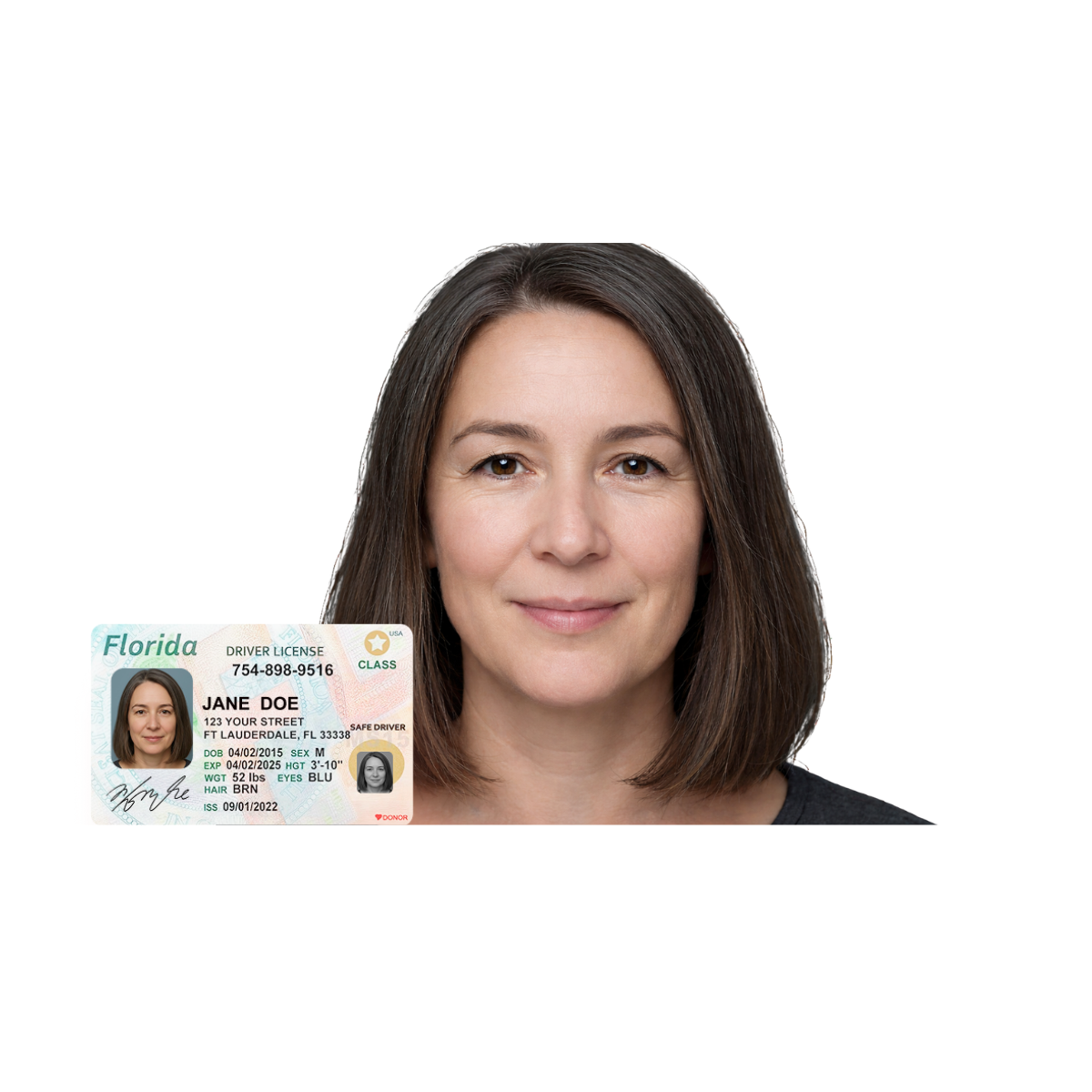
- IDVerify: Biometric identity verification built into the screening workflow. It combines government ID validation, AI-powered liveness checks, and biometric facial matching. This shifts communities from document-only review to confirmed physical identity and addresses synthetic-identity fraud that manual checks miss.
- Lease Tracking: Centralized, real-time lease visibility and lifecycle control from application to occupancy. The system connects resident onboarding, unit data, approvals, and lease documents in one audit-ready workflow. Teams replace spreadsheets and scattered email threads with a clear view of lease status as active, pending, expired, or missing.
- 55+ Communities Verification: A built-in feature that helps Florida condos and HOAs standardize age-restriction requirements across applications. It reduces manual work, improves documentation consistency, and strengthens operational control.
| Capability | TenantEvaluation | Generic Screening Tools | Manual Process |
|---|---|---|---|
| Application processing time | 5–10 minutes | Varies, often days | 5–10 days |
| Biometric identity verification | Native IDVerify (liveness + facial match) | Rarely included, external portal redirect | Not available |
| Board-ready approval dashboard | Included via QuickApprove | Not typically available | Email chains and spreadsheets |
| Revenue model | Revenue-sharing, no upfront fees | Monthly subscription or per-check fees | Staff time cost only |
TenantEvaluation acts as a direct reseller of TransUnion and Equifax data and follows strict bureau rules with regular compliance reviews. The platform avoids gray-market or offshore data sources. This approach helps community associations reduce liability exposure that generic tools cannot fully address.
Frequently Asked Questions
How long does it take to verify a private landlord using free public records?
The full 7-step process usually takes about 30 minutes for one listing. Searching the county property appraiser returns owner information in under two minutes. Cross-referencing the Florida Secretary of State at search.sunbiz.org adds a few more minutes. Reverse-image searching several listing photos, checking Google Maps Street View, and arranging a live tour use the remaining time. Completing all steps before sending money or personal data offers strong protection against rental fraud.
What documents should a legitimate private landlord be willing to provide?
A legitimate private landlord should share a government-issued photo ID that matches the name on the county property record or LLC documentation. You should also receive a written lease agreement signed by both parties before any payment. When an LLC or third party manages the property, the landlord should provide proof of that relationship, such as LLC membership records, a power of attorney, or a licensed property management agreement. Under Florida Statute § 83.50, landlords must also disclose their legal name and current address in writing at or before lease signing. Reluctance to provide any of these documents is a red flag.
What should I do if I discover red flags after already sending money?
Stop all further payments immediately and ignore pressure or threats. Report the incident to the Federal Trade Commission at ReportFraud.ftc.gov and file a complaint with the FBI’s Internet Crime Complaint Center at IC3.gov. Contact local law enforcement and notify the platform where the listing appeared so the post can be removed. If you paid by wire transfer, call your bank right away because recovery efforts are time-sensitive. If you shared personal data such as a Social Security number or driver’s license, place a fraud alert or credit freeze with the three major credit bureaus.
Does verifying property ownership through the county appraiser guarantee the landlord is legitimate?
Ownership verification gives a crucial first layer of protection but does not guarantee legitimacy. County records confirm who holds legal title and help block the most common scam, where a non-owner collects rent on a property they do not control. Records can lag recent sales by several weeks, and advanced fraud can involve impersonation of the real owner. Combine ownership checks with photo ID matching, LLC cross-referencing, reverse-image search, and a live in-person or video tour. This layered process catches the vast majority of scams. For community associations that handle high application volumes, FCRA-compliant platforms with biometric identity verification add protection that manual checks cannot match.
Why do Florida community associations need a specialized screening platform rather than manual checks?
Florida condos and HOAs operate under specific state statutes, governing documents, and age-restriction rules that generic screening tools often overlook. Manual processes create bottlenecks, inconsistent documentation, and compliance gaps that increase legal risk. A specialized platform manages the full onboarding lifecycle in one connected workflow, from application intake and biometric identity verification through board approval, lease tracking, and audit-ready record retention. This approach shortens processing time, frees staff hours, generates revenue through application fees, and maintains FCRA-compliant audit trails that protect associations during disputes or regulatory reviews.
Conclusion: A 30-Minute Plan to Avoid Rental Scams
Verifying a private landlord in 2026 works best when you follow a clear plan. Confirm ownership through Florida county property appraiser records, cross-check any LLC with the Secretary of State, run reverse-image searches on listing photos, and complete a live in-person or video tour before signing or paying. These free steps take about 30 minutes and guard against the most common and costly rental scams.
For Florida community associations and management companies, manual verification offers only a baseline. TenantEvaluation provides FCRA-compliant resident screening, biometric identity verification, accelerated board approvals, and centralized lease tracking in one platform built for Florida associations.
