Written by: Luis Teran, Co-founder, CEO, TenantEvaluation | Last updated: August 6, 2026
Key Takeaways for Florida HOA Biometric Access
- Biometric access systems work safely only when resident identity is verified and consent is documented before enrollment.
- Florida’s FIPA breach notification rules cover every association that stores biometric data, regardless of size or revenue.
- Outdoor biometric readers in Florida must be tested for sunlight and humidity, with marine-grade hardware and backup credentials in place.
- Screening and access-control platforms need a shared, verified identity record to prevent mismatches and support clean audits.
- TenantEvaluation’s IDVerify+ creates the upstream biometric identity layer that supports compliant access control deployments, learn more.
Why Florida HOAs Are Moving to Biometric Gate and Door Systems
Identity fraud is rising across condo and HOA communities. Traditional credential systems, including key fobs, RFID cards, and paper visitor logs, share a structural weakness because the credential can be transferred, cloned, or shared without management’s knowledge. A deployment at Nine at Mary Brickell Village, a 390-unit high-rise in Miami’s financial district, eliminated unauthorized short-term rental access after implementing facial authentication. Residents could no longer share fobs with Airbnb guests, which closed a common path for unauthorized entry. This shift shows why boards are replacing “something you carry” with “someone you are” for primary access points.
HID Global’s 2024 State of Physical Access Control report found that biometrics are used in physical access control by 39% of businesses, up from 30% two years earlier. This adoption trend connects directly to resident screening and onboarding workflows. The identity data collected during application review should become the foundation for access provisioning. When communities treat screening and access control as separate systems, they create data gaps that increase fraud exposure and weaken audit readiness.
See how IDVerify+ establishes verified identity before credential issuance so access control decisions rest on a single, trusted resident record.
Biometric Access Terms Florida Boards and CAMs Use Every Day
These definitions tie directly to board approvals, CAM workflows, and vendor decisions for biometric access control in HOAs and condominiums.
- Biometric access control: A physical security system that grants or denies entry based on a measurable biological characteristic, such as fingerprint, facial geometry, iris pattern, or palm vein, instead of a transferable credential.
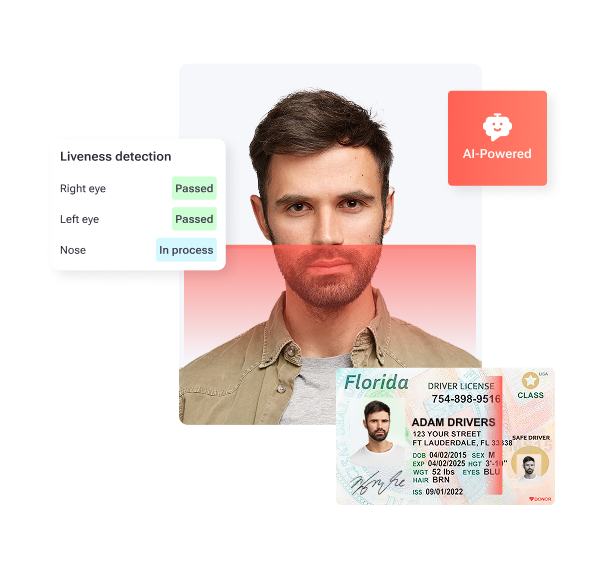
- Liveness detection: A software layer that confirms the biometric sample comes from a physically present person rather than a photograph, video, or silicone replica. Biometric access control systems for multifamily properties require liveness detection as a baseline security feature to prevent spoofing via printed photos or videos.
- Consent workflow: The documented process through which a resident provides a freely given, specific, informed, and unambiguous agreement to biometric data collection before enrollment. Under the Florida Digital Bill of Rights, consent does not include acceptance of general terms of use or agreement obtained through dark patterns.
- Permissible purpose: The legally recognized reason for collecting and processing personal data. In resident screening, permissible purpose under the FCRA governs when a background check may start. In the biometric context, it governs when biometric data may be collected and retained.
- Data retention limit: The maximum period biometric data may be stored. The FDBR requires destruction once the purpose is satisfied, when the governing contract expires, or after two years of inactivity, whichever comes first.
For CAMs and board members, these terms translate into daily tasks such as approving vendor contracts, reviewing data-sharing agreements, maintaining consent records, and confirming that audit trails exist before and after any access event.
Florida Biometric Adoption, Mobile Credentials, and Hardware Conditions
Adoption of biometric gate and door systems in South Florida remains concentrated in high-end luxury condominium properties. Notable examples include 2200 Brickell, The Perigon Miami Beach, and Aston Martin Residences Downtown Miami. These properties usually start with lobby entry points, then extend to elevators, amenity spaces, and garages as residents grow comfortable with the technology.
In 2026, South Florida commercial properties, including large condominium associations, are experiencing near-total displacement of physical plastic cards by mobile credentials. Smartphones now serve as the primary key through NFC and BLE technology. Many properties pair biometric readers with mobile credentials at main entrances to create multi-factor authentication that balances convenience with stronger security.
Environmental conditions in Florida directly influence hardware selection and placement. South Florida access control hardware must use 316-grade stainless steel for strikes, hinges, and housings to resist chloride corrosion from salt air, and IP65 or higher weather ratings for exterior readers and biometric terminals. Palm vein scanners provide a near-zero false-rejection rate in high-humidity conditions because they read vein patterns beneath the skin rather than surface fingerprints that can be affected by moisture. These environmental realities should appear in every RFP and vendor comparison.
How Biometric Access Decisions Show Up in Daily HOA Operations
Vendor selection for biometric access control affects contracts, liability, and day-to-day management work. Boards must approve contracts that define data ownership, template storage location, and deletion procedures when a resident moves out. These terms shape the association’s liability exposure and its ability to respond during an audit or dispute.
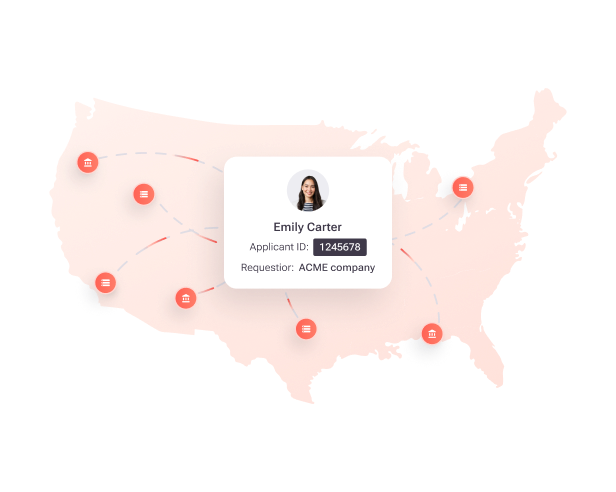
CAMs then confirm that the access control vendor’s data-sharing practices align with the association’s existing screening platform. They also verify that audit logs from access events are retained in a format that supports compliance review and internal investigations. This alignment keeps identity proofing, consent, and access provisioning connected instead of scattered across systems.
A practical implementation sequence for biometric access control starts with mapping site conditions and user groups, then selecting the biometric modality, confirming fallback authentication, verifying template and data ownership, reviewing integration capability, requesting audit-trail detail, piloting one door or zone, planning maintenance, and documenting exception handling. Board approval thresholds for capital expenditures apply to hardware and installation costs at the beginning of this process. Installed costs for HOA access control systems vary by community size and number of entry points, so boards should request multi-year cost projections, not just per-door quotes.
Florida Privacy Rules and HOA Biometric Governance
Florida does not have a standalone biometric privacy statute; the main statewide privacy framework is the Florida Digital Bill of Rights (FDBR), codified at Florida Statutes §§ 501.701–501.721 and effective July 1, 2024. The FDBR’s full protections apply only to controllers with more than $1 billion in annual global gross revenue that also meet at least one additional large-technology criterion. The FDBR’s $1 billion threshold means the statute reaches only major technology companies and does not apply to most Florida HOAs, condominium associations, or small-to-mid-sized biometric access control providers.
Several requirements still matter for community associations regardless of revenue. Florida’s breach notification rules under Fla. Stat. 501.171 (FIPA) apply to commercial entities and require notification to affected individuals within 30 days if biometric data is exposed. The statute also requires notice to the Department of Legal Affairs within 30 days when 500 or more residents are affected. Under Fla. Stat. 501.715, a controller that meets the definition in s. 501.702(9)(a)1.-3. may not sell sensitive personal data, including biometric data, without prior consumer consent.
Boards and CAMs should respond by maintaining standardized consent templates, documented retention schedules, and written data-sharing agreements with access control vendors. This guide does not constitute legal advice. Associations should consult qualified Florida counsel before deploying any biometric system.
Operational Failure Points Florida Communities Report Most Often
Florida communities that already use biometric access report recurring operational problems that careful planning can reduce or avoid.
- Sunlight interference with outdoor readers: Direct sunlight backlighting a face at exterior doors during daytime can materially reduce facial-recognition match confidence. Building-grade readers address this sunlight problem through the near-infrared illumination described earlier, which maintains match confidence even during peak afternoon sun.
- Fragmented consent records: When biometric enrollment occurs at a physical kiosk without a link to the resident’s application file, consent documentation ends up stored separately from the screening record. This separation creates audit gaps that become difficult to resolve during disputes or regulatory inquiries.
- Mismatched data flows between screening platforms and access-control databases: Identity proofing, approval, and recordkeeping should be completed before any physical access credential is issued. When screening and access control systems do not share a common identity record, communities cannot confirm that the person enrolled in the access system is the same person who passed the background check.
Principle-Based Best Practices for HOA Biometric Deployments
These practices apply to any biometric access control deployment in a Florida HOA or condominium, regardless of which vendor the association selects.
- Standardize consent language before enrollment begins. Consent must be freely given, specific, informed, and unambiguous. General terms-of-use acceptance does not satisfy this standard under the FDBR’s definition.
- Document permissible-purpose checks. Confirm that biometric data collection ties to a defined operational purpose, such as access control, and record that purpose in the resident’s file alongside the consent record.
- Establish a clear data-retention schedule. Define when biometric templates are deleted, such as upon move-out, contract expiration, or two years of inactivity, whichever comes first, consistent with FDBR retention principles.
- Provide alternative credentials. Biometric access systems require alternative credentials such as fob, PIN, or mobile for residents who opt out. Florida consumers have a specific right to opt out of facial recognition data collection.
- Conduct routine vendor security reviews. Confirm that access control vendors maintain current security certifications, disclose any subprocessors handling biometric templates, and provide breach notification procedures aligned with FIPA’s 30-day requirement.
Request a walkthrough of TenantEvaluation’s consent and audit trail integration to see how the platform connects screening approval to access enrollment in one governed workflow.
Neutral Framework for Evaluating Biometric Access Vendors
Florida HOAs evaluating biometric access control systems benefit from a structured framework that weighs five practical dimensions, regardless of the vendor under review.
- Compliance readiness: Confirm that the vendor provides documented consent workflows, data-retention schedules, and breach notification procedures. Check whether the association’s upstream screening platform can produce an audit-ready identity record before enrollment.
- Operational scalability: A typical self-service enrollment for biometric access can be completed quickly, but bulk enrollment for a move-in weekend of 20 or more residents requires a defined workflow. Evaluate whether the platform supports pre-enrollment through a mobile app before move-in day.
- Auditability: A building access control system logs every timestamped access event with user ID, door ID, and match confidence score, creating an auditable record for property management review. Confirm that these logs are exportable and retained for a defined period.
- User experience: Review false-rejection rates in Florida’s outdoor conditions, availability of fallback credentials, and the resident self-enrollment process. Residents at Nine at Mary Brickell Village can self-enroll facial biometrics via smartphone using the BioStar platform, which reduces the need for in-person scheduling with management.
- Total cost of ownership: Facial recognition access control systems can cost several thousand dollars per door installed, plus annual cloud and software fees. A three-year TCO estimate should include enrollment labor, maintenance contracts, and compliance infrastructure. Installation and maintenance services represent 12–18% of total revenue in the UAE attendance system market.
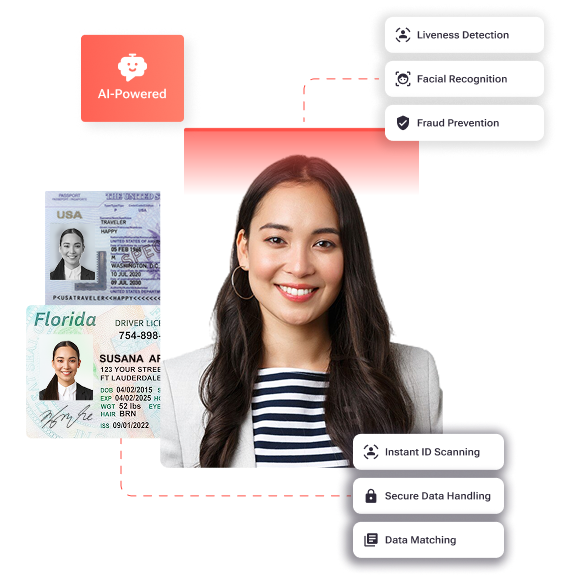
Verified resident identity strengthens each dimension of this framework. TenantEvaluation’s IDVerify+ introduces automated KYC verification directly inside the resident screening workflow, combining government ID validation, AI-powered liveness detection, and biometric facial matching before any downstream physical access system is provisioned. This process creates the audit-ready identity record that connects screening approval to access enrollment and closes the data gap that fragmented systems leave open. IDVerify+ is configurable per community and per portfolio, which supports different risk profiles without forcing a single policy across all properties.
Explore how IDVerify+ serves as the upstream biometric identity layer for your access control strategy and align screening, consent, and credentialing in one workflow.
Frequently Asked Questions
What should Florida HOAs know about Alocity login issues and integration gaps?
Login and integration problems with biometric access platforms usually stem from mismatches between the access control system’s user database and the association’s resident records. When a resident’s identity record in the screening platform does not match the enrollment record in the access system because of name variations, outdated contact information, or incomplete onboarding, administrators face manual reconciliation that creates delays and audit gaps. Establishing a single verified identity record upstream, before access enrollment begins, reduces these mismatches. TenantEvaluation’s IDVerify+ produces a biometric-backed identity record inside the screening workflow that can serve as the authoritative source for downstream access provisioning, which reduces the reconciliation burden on CAMs.
How do outdoor biometric readers perform in Florida’s sunlight conditions?
Outdoor facial recognition readers in Florida face two primary environmental challenges: direct sunlight that backlights the subject’s face and high humidity that affects surface-based biometric modalities such as fingerprint scanners. Building-grade readers address the sunlight problem through near-infrared illumination, which provides consistent controlled lighting independent of ambient conditions. For humidity, the palm vein scanning approach described earlier addresses moisture interference by reading subsurface vein patterns rather than surface characteristics. Any outdoor biometric reader should be tested in the specific installation environment, especially at south- and west-facing entry points during peak afternoon sun, before full deployment. Hardware specifications should include IP65 or higher weather ratings and marine-grade materials for coastal Florida properties.
How do biometric access systems typically connect to resident screening workflows?
The connection between screening and access control usually requires intentional design because it is not automatic in most deployments. A resident completes a background check and receives approval through the association’s screening platform. Separately, they enroll their biometric credential in the access control system. Without a governed data flow between these two systems, the association cannot confirm that the enrolled person is the same individual who passed the background check. The best-practice sequence completes identity proofing, approval, and consent documentation before any physical access credential is issued. TenantEvaluation’s IDVerify+ embeds biometric identity verification, including government ID validation, liveness detection, and facial biometric matching, directly inside the resident application workflow so the verified identity record exists before access enrollment begins. This structure creates a traceable chain from application submission through occupancy that supports audit readiness.
What are the consent and record-keeping expectations under current Florida privacy rules for HOA biometric systems?
Florida’s primary privacy framework, the Florida Digital Bill of Rights (FDBR), applies only to controllers with more than $1 billion in annual global gross revenue, so most HOAs and condominium associations fall outside its full scope. Florida’s breach notification law under FIPA, however, applies to all entities and requires notification to affected individuals and the Department of Legal Affairs within 30 days if biometric data is exposed. Regardless of whether the FDBR applies directly, associations deploying biometric access systems should maintain written consent records for each enrolled resident, document the purpose for which biometric data is collected, establish a defined data-retention and deletion schedule, provide an opt-out pathway with alternative credentials, and include biometric data handling terms in vendor contracts. These practices align with the FDBR’s consent definition, which requires consent that is freely given, specific, informed, and unambiguous, and they support defensibility in the event of a dispute or regulatory inquiry. This guidance does not constitute legal advice, so associations should consult qualified Florida counsel.
Policy Takeaways for Florida HOA Biometric Planning
This guide offers a starting point for board discussions and CAM policy reviews on biometric access control in Florida communities.
- Verified resident identity and documented consent must exist before biometric access enrollment begins, not after.
- Florida’s FIPA breach notification requirement applies to all associations that handle biometric data, regardless of size.
- Outdoor reader performance in Florida’s sunlight and humidity requires hardware validation in the specific installation environment.
- Total cost of ownership for biometric access control includes hardware, installation, annual software fees, maintenance contracts, enrollment labor, and compliance infrastructure.
- The upstream screening platform, rather than the access control vendor, is the right place to establish the authoritative identity record that downstream access systems rely on.
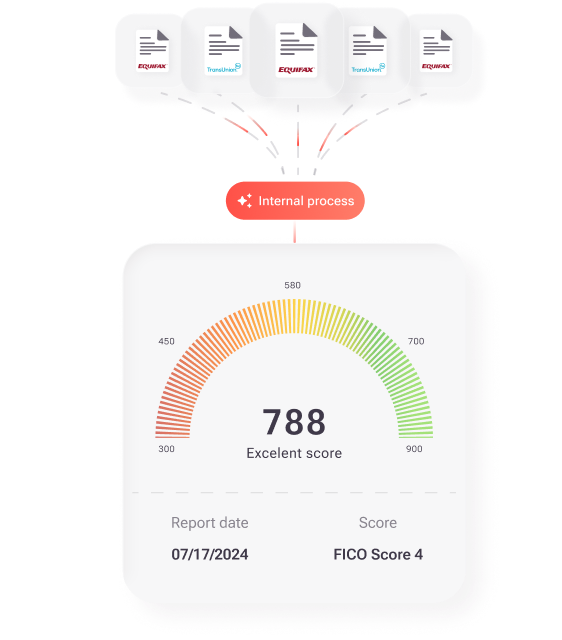
TenantEvaluation is built specifically for community associations and management companies in Florida, with FCRA compliance as the foundation. IDVerify+ provides the biometric identity verification layer that strengthens any downstream physical access system by confirming applicant identity before approval decisions are made. With 5,000+ communities served, 100,000+ applications processed annually, and direct credit bureau reseller relationships with TransUnion and Equifax, TenantEvaluation functions as a compliance-first upstream screening partner for Florida HOAs evaluating Alocity biometric access control and comparable systems.
