Written by: Luis Teran, Co-founder, CEO, TenantEvaluation | Last updated: December 29, 2025
Key Takeaways
- Florida HOA compliance management systems help boards and CAMs manage complex 2026 requirements, including websites, financial reporting, and reserve planning.
- Digital document management and clear enforcement workflows support transparency, faster responses to owners, and stronger legal protection for associations.
- Proper handling of Structural Integrity Reserve Studies (SIRS) and financial reserves reduces safety risks and unexpected special assessments.
- Standardized, secure resident screening and ongoing board education improve risk management, decision quality, and resident confidence.
- Florida HOAs can streamline applications, screening, and compliance workflows with Tenant Evaluation; schedule a demo to see the platform in action.
Why Florida HOA Compliance Management Systems Matter in 2026
Florida HOAs operate in a complex legal environment shaped by Chapter 720, HB1203, and SIRS requirements. HB1203 requires HOAs with 100 or more units to maintain a fully functioning website by January 1, 2025, and new reserve rules add long-term planning pressure.
Well-designed Florida HOA compliance management systems reduce legal risk, organize documentation, support consistent decisions, and create a clearer experience for residents and owners.
Florida CAMs who manage multiple communities gain particular value by centralizing enforcement, financial reporting, and communication in one platform instead of juggling manual processes.
1. Use Digital Document Management To Meet Florida HOA Website Rules
Centralized digital document management now supports both operations and legal compliance. Florida law requires eligible HOAs to provide governing documents, financial reports, and meeting notices through a website or app with secure access.
A practical system should store and organize items such as:
- Governing documents, including CC&Rs, bylaws, rules, and amendments
- Contracts, insurance policies, legal opinions, and compliance records
- Budgets, financial statements, reserve schedules, and audits
- Inspection reports and maintenance logs for common elements
Features like version control, granular permissions, and full-text search make it easier for boards to respond to record requests and prepare for audits. Clear, well-structured HOA websites also improve owner engagement and satisfaction.
2. Standardize Governing Document Enforcement To Limit Disputes
Governing documents define how the association operates and how properties may be used. CC&Rs set property use and architectural standards, and enforcement must align with those written rules to remain valid.
A Florida HOA compliance management system should embed clear, written enforcement protocols that address:
- How violations are identified, documented, and verified
- Notice timelines, hearing procedures, and owner responses
- Fines, suspensions, and collection procedures aligned with Florida Statute 720.305
Documented, consistent enforcement steps provide a defensible process and reduce claims of selective enforcement. Standard workflows and automatic logs create a clean audit trail if disputes reach mediation, arbitration, or court.
3. Improve Financial Transparency With Structured Reporting
Financial compliance remains a frequent source of complaints and regulatory scrutiny. Typical problem areas include insufficient assessments, weak reserves, late budgets, commingled funds, and estoppel errors. Chapter 720 sets specific expectations for financial transparency.
Florida HOA compliance management systems can support boards by automating:
- Budget creation and distribution within statutory timelines
- Monthly and annual financial reporting to boards and members
- Reserve fund tracking in line with SIRS guidance
- Documentation for audits, reviews, and lender or buyer inquiries
Real-time dashboards, standardized reports, and controlled access improve accuracy and make it easier for board members to explain financial decisions to the community.
4. Align Maintenance Planning With SIRS Requirements
New structural rules now link maintenance, reserve funding, and safety. SIRS became mandatory by December 31, 2024, for critical building components, with inspections beginning January 1, 2025, and recurring every 10 years. HOAs must maintain common areas and structural elements to safety standards.
Compliance systems should help the board:
- Track SIRS timelines and required inspections for each building
- Store engineer reports, photos, and recommendations
- Translate findings into reserve schedules and annual budgets
- Document completed repairs and monitor remaining risks
Structured maintenance planning reduces surprise special assessments and supports clear communication with owners about why certain expenses or reserve increases are necessary.
5. Strengthen Resident Screening and Onboarding Controls
Resident screening and onboarding affect both risk and resident experience. Florida HOAs must manage fair housing, privacy, and FCRA requirements while following their own governing documents and timelines.
A Florida HOA compliance management system can standardize:
- Digital applications, disclosures, and association-specific forms
- Background and credit checks configured to community policy
- Board or committee review workflows and decision deadlines
- Secure storage, redaction, and deletion of sensitive data
Robust platforms should include encryption, access controls, audit logs, and payment security such as PCI Level 1 compliance to protect both applicants and the association.

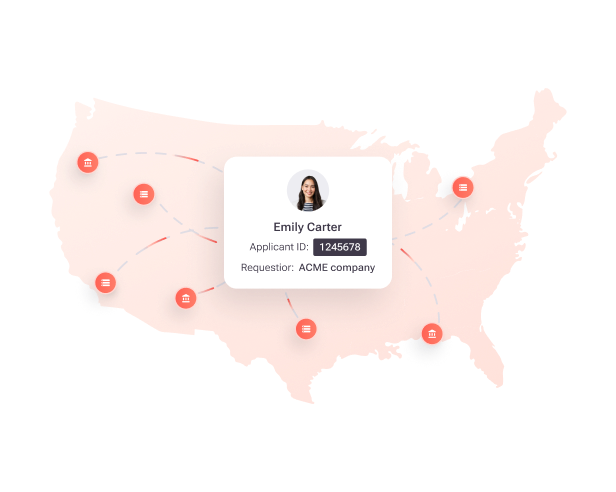
Digital workflows reduce incomplete submissions and shorten approval timelines compared with paper-based processes, freeing CAMs to focus on higher-value community work.
Florida HOAs that want a dedicated screening and onboarding solution can use Tenant Evaluation to automate applications and reviews; request a Tenant Evaluation demo to see how the process works.
6. Track Board Member Certification and Education
Board decisions carry fiduciary duties and personal responsibility. Florida law requires board members to complete certification and maintain awareness of applicable statutes, governing documents, and regulatory changes.
Compliance management systems can support boards by:
- Tracking initial and ongoing board certifications
- Storing completion records and key training materials
- Flagging expirations or missing documentation
- Highlighting legislative updates that affect board procedures
Modern platforms can even provide compliance scorecards and centralized calendars for key deadlines. Better-informed boards generally make more consistent decisions and face fewer disputes.
7. Use Technology To Centralize Compliance Tasks
Integrated technology brings together documents, financials, communication, and approvals in one place. Current systems combine automated financial reporting, document management, meeting tools, and reserve tracking, which helps boards maintain alignment with Florida rules.
Effective Florida HOA compliance management systems typically offer:
- Centralized task lists and automated workflows for recurring duties
- Secure board portals with application review and voting tools
- Configurable role-based access and audit trails
- Resident self-service portals with multilingual support
|
Feature |
Manual Process |
Automated System |
Result |
|
Document storage |
Physical files and scattered folders |
Centralized, secure cloud with search and version control |
Faster access and better record-keeping |
|
Screening and onboarding |
Paper forms and email chains |
Online applications with automated checks |
Shorter approval times and fewer errors |
|
Compliance updates |
Individual research by board or CAM |
Platform updates and centralized notices |
More consistent alignment with new rules |
|
Board review and voting |
Unstructured emails and delays |
Secure dashboards with audit trails |
Clearer decisions and documentation |
Florida boards that want to modernize approvals and compliance workflows can explore Tenant Evaluation as a dedicated solution; book a Tenant Evaluation demo to review available tools.
Frequently Asked Questions (FAQ) about Florida HOA Compliance Management Systems
Key Florida legislative changes affecting HOA compliance systems in 2026
HB1203 now requires HOAs with 100 or more units to operate functional websites that provide specific records. Mandatory SIRS for critical components, with inspections beginning in 2025 and repeating every 10 years, also require long-term reserve and maintenance planning within Florida HOA compliance management systems.
Protecting sensitive resident data within compliance platforms
HOAs should select systems that use encryption, access controls, and audit logs, and that support automatic redaction of Social Security numbers and other personally identifiable information. PCI Level 1 compliance and regular security updates help reduce privacy and FCRA risk.
Supporting financial compliance and transparency with technology
Florida HOA compliance management systems can standardize budgets, automate financial reporting, track reserves, and store documentation for audits. These tools help prevent common errors in assessments and reserve calculations while supporting clear disclosures to owners.
Handling governing document enforcement with modern systems
Advanced platforms use defined workflows for violations, notices, hearings, fines, and appeals. Automated communication, time-stamped logs, and consistent steps help boards apply rules fairly and defend their actions if challenged.
Conclusion: Building Sustainable Florida HOA Compliance in 2026
Florida HOA compliance management systems now sit at the center of how boards manage documents, enforce rules, handle money, and plan for long-term structural needs. Digital tools make it easier to follow HB1203, SIRS rules, and Chapter 720 while keeping owners informed.
When HOAs combine strong policies with reliable technology, they reduce risk, support safer buildings, and create clearer expectations for residents and owners.
Florida associations that want to improve screening, approvals, and compliance workflows can partner with Tenant Evaluation; schedule a Tenant Evaluation demo to explore how the platform supports HOA boards and CAMs.
