Written by: Luis Teran, Co-founder, CEO, TenantEvaluation | Last updated: June 28, 2026
Key Takeaways
- Traditional document uploads and manual ID reviews leave Florida HOAs and condos exposed to impersonation, synthetic identities, and forged credentials that staff cannot reliably catch.
- Biometric-native verification adds liveness detection and facial matching to confirm physical presence and identity, creating a multi-layer confirmation that document-only methods cannot match.
- FCRA compliance requires permissible purpose controls, documented consent, automated adverse action workflows, and built-in audit trails. Manual review processes often fall short of these standards.
- Native integration within the screening platform, direct bureau reseller status, board dashboard access, Florida-specific configuration, full auditability, and measurable time-to-decision impact are the six criteria CAMs and boards should use when evaluating verification tools.
- TenantEvaluation delivers the only biometric verification solution built exclusively for Florida community associations. Explore Lease Tracking to see how integrated screening, approvals, and lease documentation strengthen compliance and reduce risk.
How Identity Verification Strengthens Florida Community Association Screening
Identity verification in resident screening confirms that an applicant is who they claim to be before an approval decision. For community associations, this step directly affects operational efficiency, risk exposure, and board governance.
Document-based verification relies on reviewing uploaded government-issued IDs against application data. Biometric-native verification adds a physical confirmation layer. AI-powered liveness detection confirms the applicant is physically present, and facial biometric matching compares a live selfie to the submitted ID. This structure creates a multi-layer confirmation that a document-only review cannot provide.
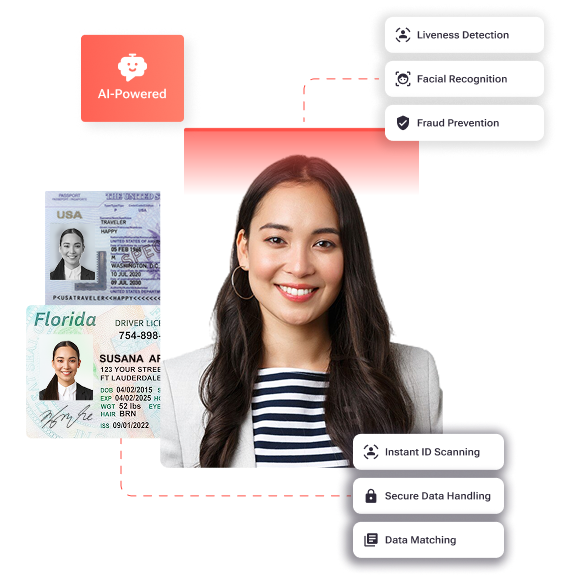
FCRA permissible purpose governs when and how consumer data, including identity data, can be accessed during screening. For community associations, identity verification must sit inside a compliant workflow that documents consent, maintains audit trails, and separates data provision from the association’s final approval decision.
See how IDVerify fits your screening workflow and adds biometric verification without disrupting CAM processes.
The 2026 Identity Verification Environment for HOAs and Condos
Synthetic identity fraud, where fraudulent applicants combine real and fabricated data to construct a false identity, has become a documented risk in residential screening. Traditional document-based methods provide no way to confirm whether the person submitting an ID is the same person pictured on it or whether the identity is assembled from multiple data sources.
Florida’s HOA and condo communities operate under specific regulatory expectations tied to FCRA, age-restricted housing requirements, and board governance standards. Daily CAM operations include application intake, document collection, review timelines, board voting coordination, and record retention. Each step introduces potential risk when identity data remains unverified or only lightly reviewed.
The 2026 operational model moves away from manual review toward automated verification layers embedded directly in the screening workflow. Communities that adopt biometric-native tools report fewer manual follow-ups, faster time-to-decision, and stronger audit defensibility compared to those that still rely on document uploads alone. This operational shift must sit inside a clear compliance and governance framework.
Compliance, Risk, and Governance Requirements for Associations
FCRA compliance for identity verification in community associations requires permissible purpose controls, documented consent, automated adverse action workflows, and built-in audit trails. Communities that rely on manual document review often lack the structured recordkeeping needed to demonstrate compliance during an audit or dispute.
Common governance challenges include incomplete applications, manual follow-ups with applicants and realtors, exposure to forged documents, and no centralized record that connects identity verification results to the final approval decision. Board accountability also depends on visibility. Boards need clear insight into which verification steps occurred before they cast approval votes.
TenantEvaluation is built specifically for community associations and management companies, with FCRA compliance as the foundation rather than a late-stage add-on. As a legitimate reseller of TransUnion and Equifax data, TenantEvaluation accesses bureau data under strict rules, with regular compliance reviews and no gray-market data sources. This structure protects community associations from liability exposure that generic screening tools cannot fully address.
Operational Best Practices for Identity Verification in Associations
Effective identity verification for Florida HOAs and condos follows several operational principles that work together to reduce risk and improve governance. Workflow standardization ensures every applicant moves through the same verification steps regardless of who is processing the application. This consistency removes the variability that often creates compliance gaps.
This standardized workflow becomes more powerful when paired with stronger verification methods, specifically biometric confirmation, that replace subjective document review with objective, automated results. Clearer approval structures then give boards direct access to these verification outcomes before voting, which connects the verification layer to the governance decision.
When evaluating identity verification tools, CAMs and boards should assess six criteria. These include native integration within the existing screening platform, FCRA reseller status with direct bureau relationships, board dashboard access for real-time visibility, Florida-specific configuration options, full auditability of every verification step, and measurable time-to-decision impact.
TenantEvaluation’s IDVerify meets all six criteria. It operates natively inside the TenantEvaluation platform with no external portals and no workflow disruption, and it is configurable per community or portfolio. QuickApprove accelerates resident approvals with real-time application tracking, a board-ready approval process, automated communication support, and customized approval letters, all inside one connected platform while preserving control, compliance, and visibility.
Accuracy of Identity Verification Methods in Tenant Screening
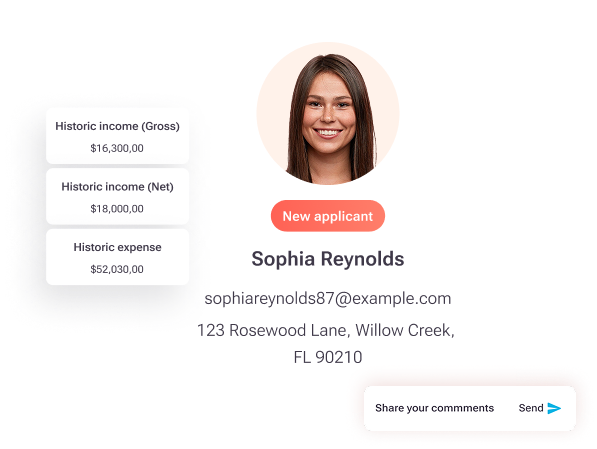
Accuracy in identity verification depends on the method used and how it fits into the workflow. Document-only tools verify that an uploaded image matches expected ID formatting and data fields. These tools cannot confirm physical presence, detect liveness, or validate that the person submitting the document matches the identity on it.
Biometric-native tools add government ID authenticity validation, AI-powered liveness detection, facial landmark recognition, and selfie-to-ID biometric comparison. This layered structure significantly reduces the probability that a fraudulent applicant passes verification undetected.
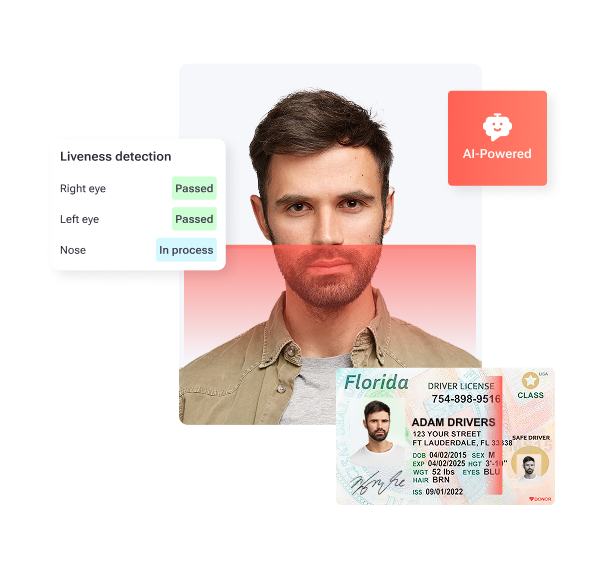
TenantEvaluation’s IDVerify combines all four biometric layers natively within the screening workflow. Verification results, including ID authenticity confirmation, liveness status, and biometric match result, appear directly in the CAM’s screening report alongside a redacted ID copy for compliance documentation. Direct credit bureau reseller relationships with TransUnion and Equifax reinforce the accuracy of underlying data and remove the data quality risks associated with third-party scraping.
Review a live IDVerify report to see biometric results and audit-ready documentation in context.
Identity Red Flags on Tenant Applications and How Tools Respond
The most significant red flags in 2026 community association applications involve identity-layer risks. These include impersonation, where a real person uses another individual’s credentials, synthetic identity fraud, where a fabricated identity is constructed from real and false data, and document forgery involving altered or counterfeit government IDs. Document-only tools cannot reliably detect any of these three categories.
TenantEvaluation’s IDVerify addresses each risk directly. Government ID validation detects document authenticity issues. AI-powered liveness detection confirms physical presence and blocks pre-recorded or static image submissions. Biometric facial matching confirms the applicant matches the submitted ID. Together, these steps create a standardized fraud-prevention layer that strengthens approval confidence before a resident enters the community.
For Florida’s 55+ communities, 55+ Communities Verification standardizes age-restricted application handling, reduces manual work, supports documentation consistency, and improves operational efficiency. This capability is built specifically for Florida condos and HOAs that manage age-restricted requirements.
Integration of Identity Verification with Property Management Systems
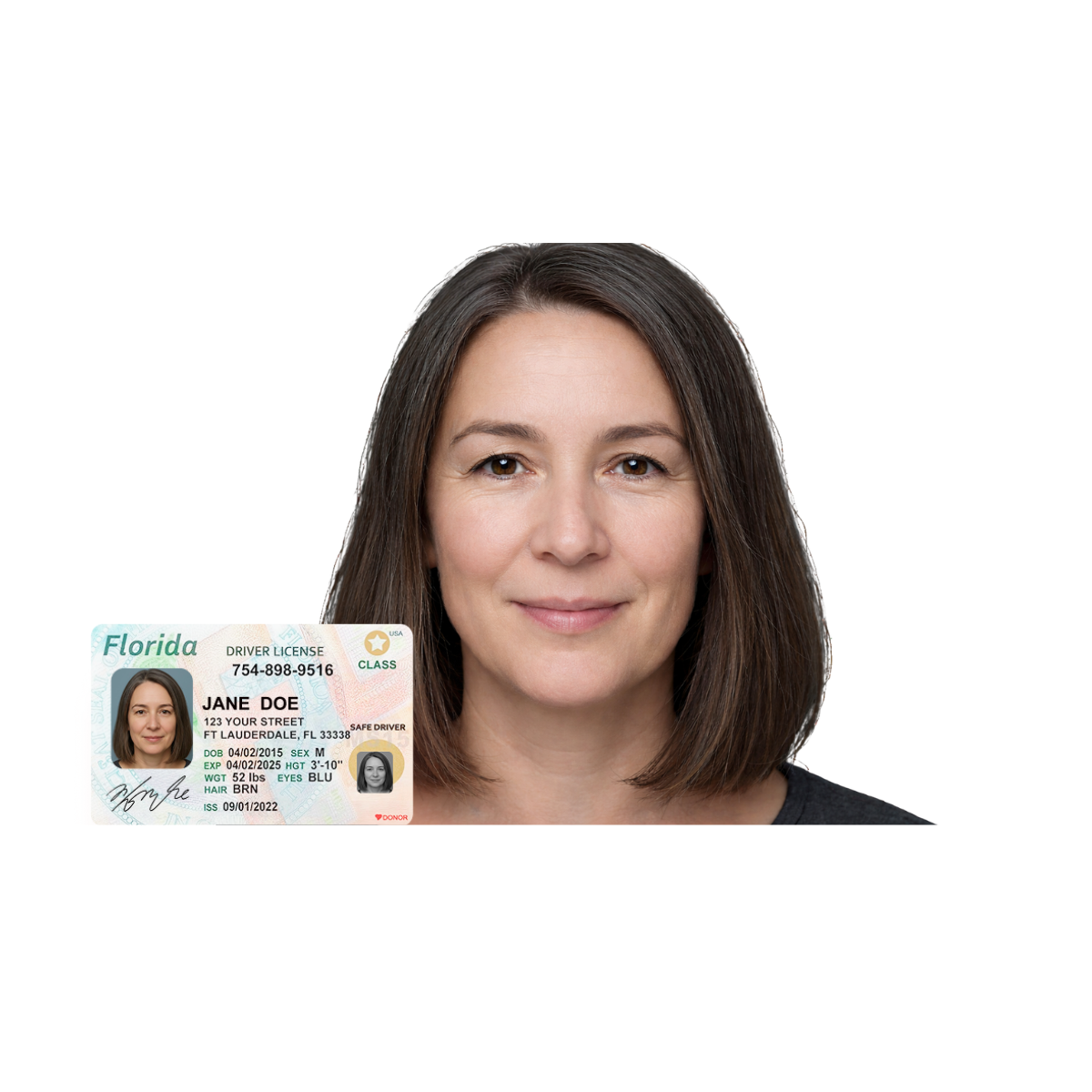
Integration quality determines whether a verification tool reduces or adds to CAM workload. Generic enterprise tools such as Jumio, Snappt, and Findigs are built for broad market use and typically require applicants to leave the primary application workflow to complete verification in an external portal. This structure creates friction, increases drop-off rates, and fragments the audit trail across multiple systems.
TenantEvaluation’s IDVerify runs entirely within the TenantEvaluation platform. Applicants complete biometric verification as a guided step inside the same application workflow. CAMs see results embedded in the screening report. Boards access verification outcomes through the QuickApprove board-ready dashboard. Lease Tracking connects resident onboarding, unit data, approvals, and lease documentation into one centralized, real-time workflow, replacing spreadsheets and scattered email chains with audit-ready digital lease records from application to occupancy.
The following comparison shows how TenantEvaluation’s native integration approach differs from generic enterprise tools and background screening platforms across integration method, FCRA alignment, and Florida HOA fit.
| Tool Type | Integration | FCRA Alignment | Florida HOA Fit |
|---|---|---|---|
| Generic enterprise tools (e.g., Jumio, Snappt, Findigs) | External portal, separate from screening workflow | Not purpose-built for FCRA community association workflows, no direct bureau reseller status | No Florida HOA/condo configuration, no board dashboard, no 55+ or lease tracking capability |
| Background screening platforms (e.g., ApplyCheck, Verify Screening Solutions) | White-labeled third-party platforms, limited applicant interaction | Partial alignment, no automated adverse action or built-in audit trails designed for associations | Not built for Florida community association workflows, no native board voting or age-restricted handling |
| TenantEvaluation (IDVerify) | Native, no external portals, biometric verification embedded in screening workflow | FCRA-first design, direct TransUnion and Equifax reseller, permissible purpose controls, built-in audit trails | Built exclusively for Florida HOAs and condos, board dashboard, QuickApprove, 55+ Communities Verification, Lease Tracking |
Explore the full TenantEvaluation workflow from biometric verification through board approval and lease tracking in a single connected platform.
Frequently Asked Questions
Which verification tool is most accurate for community association screening?
Accuracy depends on the verification method and how well it integrates with the screening workflow. Biometric-native tools that combine government ID validation, liveness detection, and facial biometric matching provide a higher level of identity confirmation than document-only tools. TenantEvaluation’s IDVerify delivers all three layers natively within the screening platform, with results embedded directly in the CAM’s report. Its direct reseller relationships with TransUnion and Equifax also ensure underlying data quality that third-party scrapers cannot match. For Florida community associations, this combination of biometric accuracy and bureau-grade data represents a strong verification standard.
What is the strongest form of identity authentication for HOA and condo applications?
The strongest form of identity authentication combines something the applicant has, such as a government-issued ID, something they are, such as biometric facial data, and physical presence confirmation through liveness detection. This three-factor approach distinguishes biometric-native verification from document-only review. TenantEvaluation’s IDVerify implements all three factors in a single guided applicant step, producing a layered verification result that includes ID authenticity confirmation, liveness status, and a biometric match score. Applicants complete this step within the existing TenantEvaluation workflow without redirection to external portals.
What are the most common red flags on tenant applications in 2026?
The most significant red flags in 2026 involve identity-layer risks rather than financial data alone. These include impersonation attempts where an applicant submits another person’s credentials, synthetic identities constructed from a combination of real and fabricated data, and forged or altered government-issued documents. Secondary red flags include inconsistencies between submitted documents and application data, incomplete applications that may indicate an attempt to avoid specific verification steps, and mismatches between stated income and verified income data. TenantEvaluation’s IDVerify addresses identity-layer red flags directly, while its broader screening platform, including IncomeEV and SafeCheck+, addresses financial and background red flags within the same workflow.
How do biometric methods compare to document-only verification for community associations?
Document-only verification confirms that an uploaded image resembles a valid ID format. It cannot confirm that the person submitting the document is the person pictured on it, that the document has not been digitally altered, or that the applicant is physically present during submission. Biometric verification adds liveness detection to confirm physical presence, facial landmark recognition to map identity features, and selfie-to-ID comparison to confirm the applicant matches the document. For Florida community associations, the operational difference is significant. Biometric methods reduce the manual oversight burden on CAMs, produce structured audit records for board governance, and create a defensible verification trail that document-only methods cannot provide. TenantEvaluation’s IDVerify implements this approach natively within a platform designed specifically for Florida HOA and condo workflows.
Conclusion: Choosing Identity Verification That Fits Your Community
The evaluation framework for identity verification tools in 2026 centers on the six structural criteria outlined earlier. Generic enterprise tools and background screening platforms address some of these criteria in isolation. No tool in the current market addresses all six within a single Florida-focused platform except TenantEvaluation.
CAMs and boards assessing their current processes should measure each tool against these criteria before making a selection. Document-only workflows that lack biometric confirmation, audit trails, or board-ready dashboards create a structural gap that increases fraud exposure and compliance risk as screening expectations continue to evolve in 2026 and beyond.
TenantEvaluation serves more than 5,000 communities and processes approximately 100,000 applications annually, maintaining the direct bureau relationships and FCRA-first approach described throughout this framework. Its IDVerify+ biometric layer, QuickApprove accelerated approval workflow, Lease Tracking visibility, and 55+ Communities Verification standardization form an integrated, association-specific identity verification stack for Florida CAMs and boards.
