Written by: Luis Teran, Co-founder, CEO, TenantEvaluation
Key Takeaways
- Manual tenant screening slows approvals, increases compliance risk, and reduces revenue for Florida HOAs. Automated FCRA-compliant workflows keep applications moving and protect the board.
- Uniform screening criteria such as 620+ credit scores, 3x rent income ratios, and no violent felonies reduce rejections and support fair housing compliance.
- Follow a clear 5-step process: automate intake, run compliant checks, auto-redact PII, generate summaries, and package everything with audit trails for board-ready review.
- Scannable templates with executive summaries, risk visuals, compliance documents, and financial analysis help boards reach unanimous approvals faster.
- Avoid FCRA mistakes with TenantEvaluation’s direct bureau access and built-in safeguards. Get started with Tenant Evaluation today to save up to 70% of screening time with lower risk.
Why Florida HOA Boards Reject Applications And How Criteria Fix That
Most board rejections come from three issues: incomplete data, FCRA gaps, and inconsistent screening criteria. Consistent screening standards such as minimum credit scores, income thresholds, and rental history rules reduce risk and support fair housing compliance.
Successful Florida HOAs rely on uniform criteria that boards can review in minutes:
|
Criteria |
Threshold |
Verification Source |
TenantEvaluation Tool |
|
Credit Score |
620+ FICO |
TransUnion/Equifax |
Direct Bureau Access |
|
Income Ratio |
3x Monthly Rent |
Employment/Bank Records |
IncomeEv Report |
|
Criminal History |
No Violent Felonies |
National Database |
SafeCheck+ Screening |
|
Identity Verification |
Government ID Match |
Document Analysis |
IDVerify System |
TenantEvaluation’s rules engine adapts to each community’s bylaws and Florida regulations, unlike generic platforms such as Avail or SmartMove that target broad rental markets. As a direct TransUnion and Equifax reseller, TenantEvaluation supplies legitimate credit data under strict bureau rules, not scraped data that increases liability.
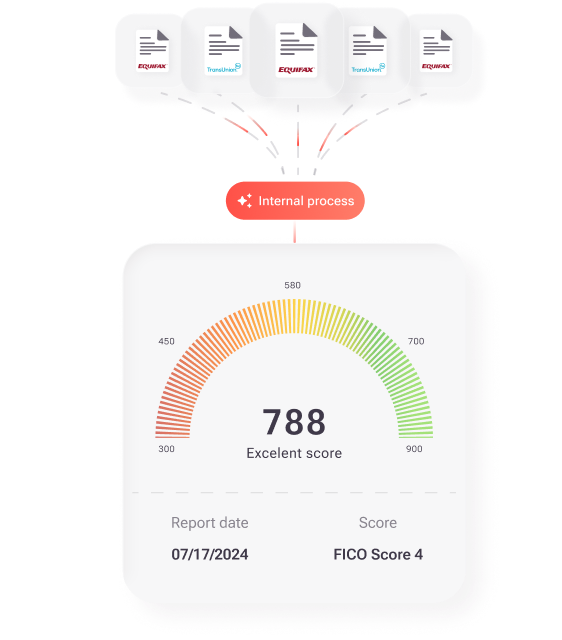
Florida associations can turn inconsistent rejections into predictable approvals with Florida-specific screening criteria inside TenantEvaluation. Schedule a demo today and tailor screening standards to your community.
Five Steps To Build Board-Ready Screening Packages
Board-ready screening packages depend on structured data collection, FCRA-compliant processing, and clear presentation formats. This five-step workflow removes guesswork and supports consistent approvals.
Step 1: Automate Application Intake
Smart application forms collect only the information your community needs. Logic adjusts questions for tenants or purchasers so applicants complete relevant sections without extra fields that slow reviews.
Step 2: Run FCRA-Compliant Background Checks
FCRA rules require written consent before screening and focus criminal checks on convictions that show real risk. TenantEvaluation’s SafeCheck+ solution runs criminal, credit, and eviction searches while enforcing permissible purpose controls.
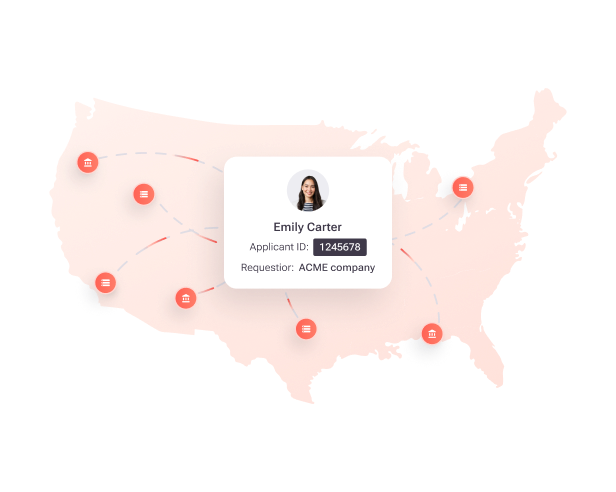
Step 3: Auto-Redact Sensitive Information
Automated PII redaction removes Social Security numbers, bank details, and other sensitive data before board review. This supports PCI Level 1 compliance and lowers liability for the association.
Step 4: Create Clear Screening Summaries
Screening data flows into executive summaries that highlight approval factors, risk indicators, and compliance status. Boards see the full picture quickly without digging through raw reports.
Step 5: Package Results With Visual Audit Trails
Final screening packages include timestamps, compliance certificates, and clear recommendations with supporting evidence. Boards gain a documented trail for every decision.
These critical red flags usually disqualify applicants:
|
Red Flag Category |
Automatic Disqualifier |
Example |
TenantEvaluation Detection |
|
Criminal History |
Violent Felonies |
Assault, Drug Trafficking |
SafeCheck+ National Search |
|
Financial History |
Recent Evictions |
Eviction within 24 months |
Court Records Analysis |
|
Income Verification |
Insufficient Income |
Less than 3x rent ratio |
IncomeEv Employment Check |
|
Identity Issues |
Fraudulent Documents |
Fake ID or paystubs |
IDVerify Authentication |
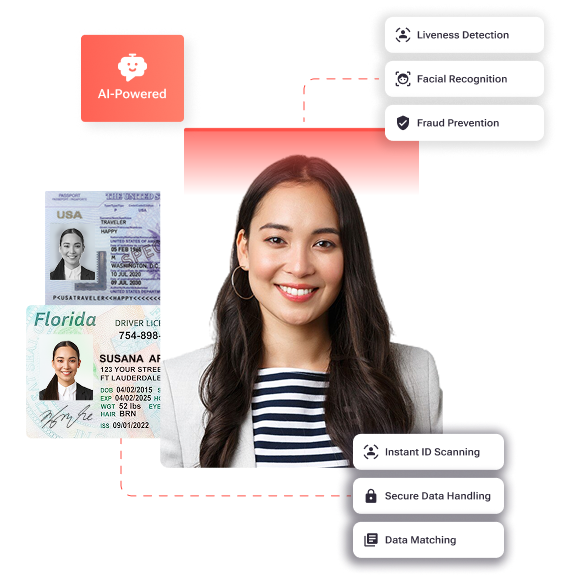
TenantEvaluation’s integrated platform replaces multiple vendors such as ApplyCheck or VerifyScreening with one coordinated workflow. Start building board-ready packages that secure approvals in hours, not days. Schedule a demo today to see the full process.
Presentation Templates That Win Unanimous Board Approval
Boards respond best to concise, scannable presentations that fit into tight meeting agendas. Use this structure to guide every application review.
Executive Summary Section: A one-page overview shows the applicant photo, credit score, income ratio, rental history, and a clear approval recommendation with short supporting notes.
Risk Assessment Visual: A color-coded chart displays green, yellow, or red status for each screening category. Each color links to specific data points so board members see why a status appears.
Compliance Documentation: FCRA certificates, adverse action procedures, and audit timestamps demonstrate regulatory compliance and protect the association from claims.
Financial Impact Analysis: Revenue projections, time-to-occupancy estimates, and a simple cost comparison show the impact of approving the applicant versus leaving the unit vacant.
TenantEvaluation’s QuickApprove dashboard supports these presentations with real-time status updates, summarized reports, and a voting panel. Board members log in, review applications, and vote without email chains or scheduling delays. One Florida management company saved $240,000 per year after removing 50 hours of daily manual work through TenantEvaluation’s automation.
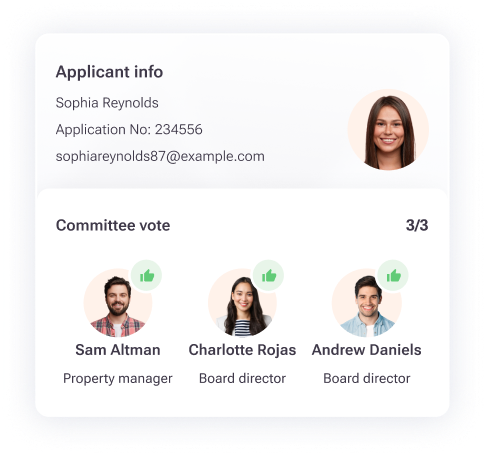
TenantEvaluation’s board-focused dashboard gives community associations tools that generic systems such as AppFolio or RealPage do not provide. See the QuickApprove experience at https://www.tenantevaluation.ai/quickapprove. Schedule a demo today and watch how quickly boards reach unanimous approvals.
FCRA Risks Florida HOAs Face And How TenantEvaluation Prevents Them
FCRA violations create serious liability and potential penalties for Florida HOAs. Florida landlords must obtain written consent for credit checks and send Adverse Action Notices when they deny applications based on screening results. Frequent mistakes include weak permissible purpose records, poor adverse action handling, and use of non-compliant data sources.
Key FCRA requirements include written consent, clear disclosure of screening criteria, accurate adverse action notices with bureau contact details, and audit trails for every decision. FCRA-certified checks include criminal searches, sex offender registries, eviction records, and SSN verification while using TransUnion-backed services.
TenantEvaluation reduces FCRA risk through direct reseller relationships with TransUnion and Equifax, automated adverse action workflows, and built-in audit trails for each application. Unlike data scrapers or offshore providers, TenantEvaluation operates under bureau oversight with regular audits and a clear line between data supply and decision-making.
Florida’s 2026 rules stress digital compliance and transparency. New website requirements for HOAs with 100 or more parcels require posting official records online, which may include tenant approval documents. TenantEvaluation’s digital-first platform helps associations meet these standards while still protecting sensitive applicant data.
Associations can protect themselves from FCRA issues and speed up approvals at the same time. Schedule a demo today and confirm that your screening process aligns with Florida rules.
From Manual Chaos To A Profitable Screening Workflow
This five-step playbook turns manual, inconsistent screening into a streamlined approval process that protects your community and supports revenue. TenantEvaluation serves more than 5,000 Florida communities, processes over 100,000 applications each year, and maintains a 4.8 out of 5 Google rating.
Associations that succeed treat tenant screening as a financial and operational priority. Uniform criteria, FCRA-compliant workflows, and board-ready presentations place your community among Florida properties that protect compliance while improving revenue.
Move toward 70 percent time savings and faster, unanimous board approvals. Schedule a demo today and see how TenantEvaluation shifts screening from a liability risk to a reliable profit driver.
Frequently Asked Questions
What red flags in tenant screening usually cause automatic rejections?
Serious red flags include violent felonies, recent evictions within 24 months, income below three times monthly rent, fraudulent documents, and high debt-to-income ratios that exceed community rules. TenantEvaluation’s SafeCheck+ system flags these issues automatically, while IDVerify blocks document fraud with advanced authentication. Criminal history reviews focus on convictions that show real risk to the community, not minor offenses.
Which tenant screening service fits Florida HOAs and condos best?
TenantEvaluation leads Florida community associations with QuickApprove dashboards, FCRA-focused design, and direct credit bureau reseller status. Generic platforms such as Avail, SmartMove, or ApplyCheck serve broad rental markets, while TenantEvaluation centers on association workflows with criteria that match HOA bylaws and Florida regulations.
Do HOA boards in Florida need to follow FCRA rules for screening?
Yes. Florida community associations must follow FCRA when they use credit reports, background checks, or consumer reporting data for screening. Requirements include written consent, clear disclosures, proper adverse action notices, and full audit trails. TenantEvaluation supports these steps with automated workflows, direct bureau connections, and built-in adverse action tools that help prevent violations.
Which income and credit standards usually disqualify rental applicants?
Common disqualifiers include credit scores under 620, income below three times the monthly rent, recent evictions, unpaid landlord debts, and convictions for violent crimes or property damage. Many Florida HOAs also look for stable employment, positive landlord references, and a clean 24-month rental history. TenantEvaluation’s IncomeEv system confirms employment directly with employers instead of relying only on self-reported documents.
How far back do criminal background checks go for tenant screening?
Most criminal background checks review seven to ten years of history, although serious felonies can appear longer depending on state law and the conviction. Florida associations focus on convictions that affect safety and property, such as violent crimes, drug trafficking, and property damage. TenantEvaluation’s SafeCheck+ runs national searches while staying aligned with fair housing rules and local limits on criminal history use.
