Written by: Luis Teran, Co-founder, CEO, TenantEvaluation
Key Takeaways for Florida HOA and Condo Boards
- Direct credit bureau access from resellers like TransUnion and Equifax delivers 20–30% higher accuracy than scraped third-party data.
- FCRA compliance with audit trails and adverse action workflows shields boards from legal liability.
- Clear red flags such as eviction history, identity mismatches, and incomplete applications help prevent risky approvals.
- Board-specific dashboards and automated document review save hours while keeping decisions transparent and compliant.
- Get started with Tenant Evaluation for Florida HOA and condo compliant screening that processes more than 100,000 applications each year.
7 Screening Report Factors Florida Boards Cannot Afford to Miss
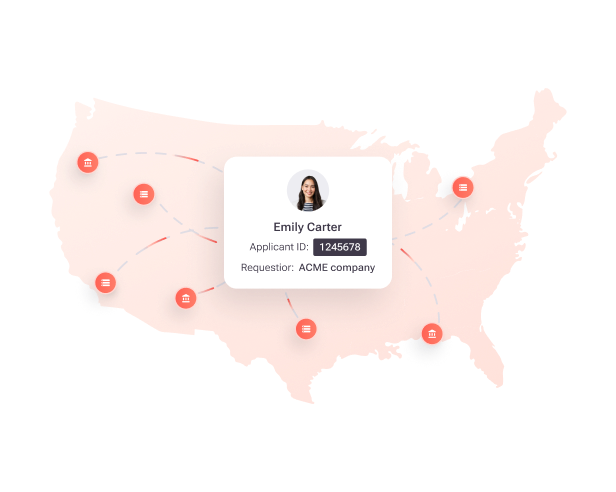
1. Verify Direct Credit Bureau Access Instead of Scraped Data
Accurate tenant screening starts with reliable data sources. Direct credit bureau resellers like TenantEvaluation’s SafeCheck+ service pull information from TransUnion and Equifax under strict bureau rules, which supports data accuracy and FCRA compliance. Third-party scraped data often carries 20–30% error rates that can cause wrongful approvals or denials.
Action step: Confirm your screening provider’s reseller status with major credit bureaus. Request documentation of direct bureau relationships and compliance certifications. Avoid providers that rely on offshore or gray-market data sources that increase your board’s liability.
2. Confirm FCRA Compliance and Tight Permissible Purpose Controls
FCRA compliance needs to sit at the core of the screening platform, not as a last-minute feature. Strong permissible purpose controls ensure your association accesses tenant information only for legitimate screening reasons. TenantEvaluation’s FCRA-first design includes automated adverse action workflows and a clear separation between your board’s decisions and the platform’s data delivery.
Look for platforms with complete audit trails for every application, automated adverse action letter generation, and strict access controls for sensitive information. These protections reduce compliance violations and lower the risk of lawsuits against your association.
3. Use Reports to Spot Red Flags Early
Effective screening tools highlight warning signs before your board votes. The biggest red flag is applicants who avoid or resist the screening process, push to shortcut rules, or submit incomplete applications. A history of evictions or repeated late payments strongly predicts future nonpayment problems.
Identity mismatches between applications, photo IDs, and credit reports often signal fraud attempts. TenantEvaluation’s IDVerify solution flags these inconsistencies automatically. Comprehensive background checks then reveal criminal history and eviction records that may affect community safety and financial stability.
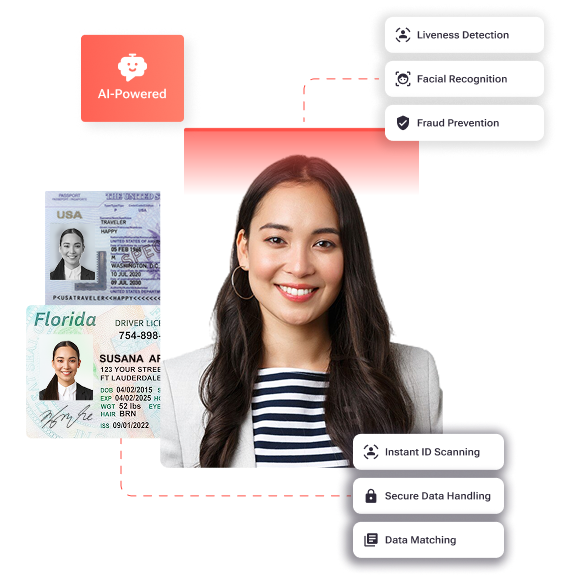
See how TenantEvaluation’s QuickApprove dashboard gives your board clear red flag visibility. Schedule a demo today.
4. Demand Deep Income and Eviction Verification
Self-reported income exposes boards to applicants who cannot reliably pay assessments or rent. Advanced screening platforms move beyond pay stubs and confirm employment and income through direct employer contact. TenantEvaluation’s IncomeEv solution delivers detailed income verification that shows the applicant’s real financial capacity.
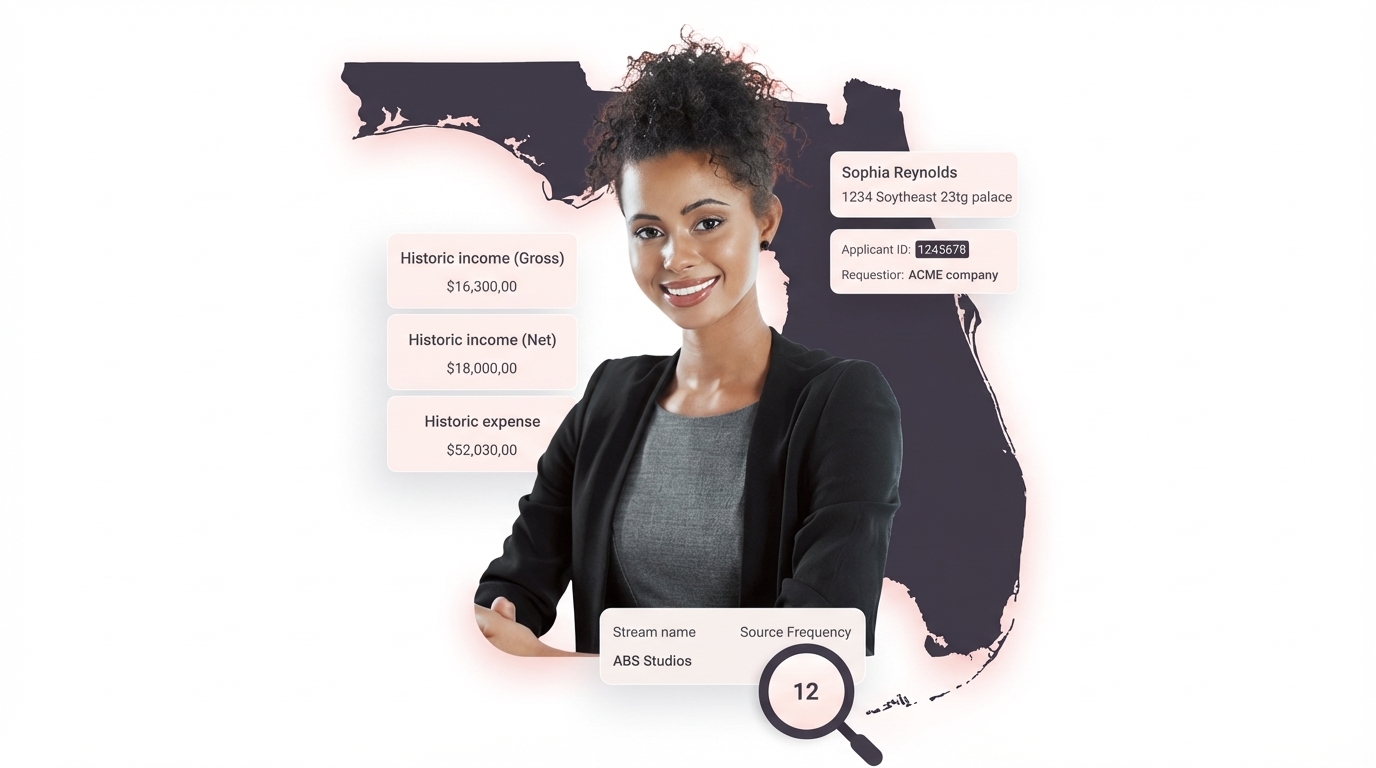
Thorough eviction verification pulls from multiple databases and court records across many jurisdictions. Shallow or local-only searches miss key rental history details. Confirm that your screening provider runs nationwide eviction searches and keeps current access to court and database records for accurate results.
5. Require Automated Document Review and Secure Redaction
Manual document review drains board time and increases the chance of human error. Intelligent platforms automatically check document completeness, confirm executed leases, validate ID authenticity, and reject incomplete submissions before the board sees them. This automation saves hours while improving accuracy and consistency.
Automatic redaction of sensitive personal information reduces your association’s exposure in the event of a data breach. TenantEvaluation’s IDverify solution manages secure document processing with PCI Level 1 compliance and end-to-end encryption. These controls lower risk while keeping workflows efficient.
6. Use Board-Focused Dashboards for Clear Decisions
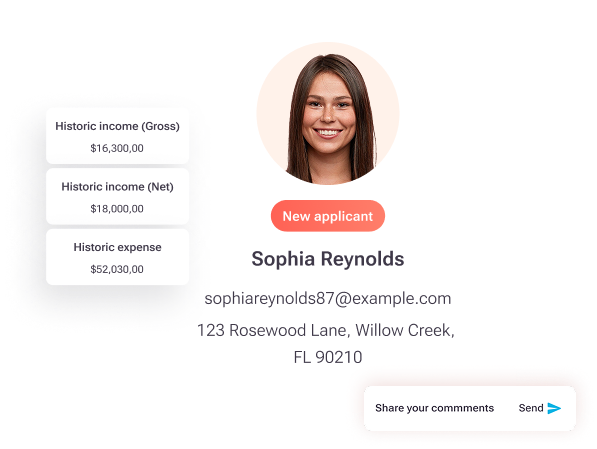
Generic screening tools push boards into email chains and manual coordination for every approval. Board-focused dashboards provide real-time application status, concise summaries, and voting panels built for community association decisions. TenantEvaluation’s QuickApprove dashboard replaces email clutter with direct board access and transparent approval workflows.
Strong board dashboards include AI-generated application summaries, timestamped voting records, and complete audit trails. These features support informed decisions and preserve documentation your association may need during legal or regulatory reviews.
|
Feature |
TenantEvaluation |
Buildium/AppFolio |
RentSpree |
|
Data Source |
Direct Reseller |
Third-Party |
Scraped |
|
Board Dashboard |
QuickApprove |
No |
No |
|
Processing Time |
Hours |
Days |
Days |
|
Florida Compliance |
Built-in |
Generic |
Generic |
7. Track Time Savings and Reduced Risk
Comprehensive screening platforms shorten processing time from days to hours while giving boards a 360-degree view of each applicant. Faster processing helps boards make confident decisions without cutting corners. TenantEvaluation’s automated workflows can free as much as 50 staff hours per day, which lets teams focus on higher-value community management work.
Risk mitigation also applies at the community level, not just per applicant. Platforms with strong analytics help boards see demographic trends, rental patterns, and community dynamics that shape long-term planning. This data-driven approach supports better policy decisions and more stable association operations.
Florida Compliance Checklist for HOA and Condo Screening
Florida’s changing regulations require focused attention from board members. Effective January 1, 2026, condo associations with 25 or more units must maintain official websites with governing documents, budgets, and financial reports, and HOAs with 100 or more parcels must provide similar transparency portals. These online records improve access to information that supports consistent tenant screening decisions.
Boards also need to follow FCRA adverse action rules, maintain audit trails, and handle sensitive applicant data correctly. Dexter’s Law creates Florida’s Animal Abuser Registry, which adds another potential screening reference, even though checking the registry is not legally required. TenantEvaluation’s history since 2007, 4.8/5 Google rating, and partnerships with RealManage show long-term Florida compliance experience.
Boards must review 2026 flood disclosure requirements and security deposit handling changes. These updates affect tenant onboarding steps and clarify owner’s responsibility for tenant behavior.
FAQ: Tenant Evaluation Screening Answers for Florida Boards
What shows up on a tenant screening report?
Comprehensive tenant screening reports include credit history with scores and payment patterns, criminal background checks across nationwide and global databases, eviction history from multiple jurisdictions, employment verification with income analysis, and reference checks from previous landlords. TenantEvaluation’s 360-degree screening combines these elements with identity verification and fraud detection to give boards a complete applicant profile.
What are red flags on tenant applications?
Major red flags include incomplete applications with missing identity or employment details and identity mismatches between forms and documents. A record of evictions or consistent late payments also signals risk. Resistance to the screening process, attempts to bypass requirements, and unstable employment history suggest financial instability. Criminal history involving violent offenses or recent fraud needs careful review under HUD guidelines.
Can condo boards dispute screening errors?
Condo and HOA boards can dispute screening report errors through FCRA procedures. Effective screening platforms offer clear dispute workflows and maintain detailed audit trails for all screening activity. TenantEvaluation’s compliance-first design includes automated adverse action steps and dispute handling that protect boards while honoring applicant rights. Boards should coordinate with their screening provider to correct any inaccuracies quickly.
What is the best background check for tenants?
The most reliable tenant background checks come from direct credit bureau resellers that pull data from TransUnion and Equifax under strict compliance rules. These providers deliver criminal history, eviction records, credit analysis, and employment verification in a single report. Third-party scraped data sources often introduce higher error rates and greater compliance risk for boards.
How can a board check if someone is a good tenant?
Boards assess tenant quality by using screening tools that verify income through direct employer contact and confirm criminal and eviction history across multiple databases. Strong tools also analyze credit patterns for payment reliability, validate identity documents to prevent fraud, and contact previous landlords to confirm rental history. Automated platforms manage these steps efficiently while keeping compliance standards intact.
Secure Your Florida Community with Accurate Tenant Screening
These seven factors, including direct bureau access, FCRA compliance, red flag visibility, income verification, automated processing, board dashboards, and measurable time savings, create a strong tenant screening framework for Florida HOA and condo boards. Accurate screening protects your community from problematic residents and supports your fiduciary duty to owners.
TenantEvaluation’s specialized platform addresses each factor with proven tools. The system offers direct TransUnion and Equifax reseller status, FCRA-first compliance design, detailed red flag detection, advanced income verification, automated document processing, the QuickApprove board dashboard, and significant time savings. With more than 100,000 applications processed annually and $150 million generated for communities, TenantEvaluation delivers the accuracy and efficiency Florida boards require.
See how accurate tenant screening can protect your community with TenantEvaluation’s comprehensive demo. Schedule a demo today.
