Written by: Luis Teran, Co-founder, CEO, TenantEvaluation | Last updated: July 19, 2026
Key Time-Saving Takeaways for Florida HOAs
- Manual HOA tenant screening averages 5–10 business days and 3–5 staff hours per application, which creates heavy administrative burdens for Florida CAMs and boards.
- TenantEvaluation’s automated platform cuts processing from days to as little as 5–10 minutes and delivers up to 70% time savings per application cycle.
- QuickApprove, IDVerify, and 55+ Communities Verification remove sequential delays while preserving full board oversight and FCRA compliance.
- Communities processing 100–5,000 applications per year can recover 260–13,000 staff hours, which reduces labor costs and speeds revenue cycles.
- Learn how TenantEvaluation streamlines HOA workflows by visiting the Lease Tracking and Workflow platform overview.
How Long Manual HOA Screening Really Takes
IREM’s 2025 Leasing Operations Survey sets the manual tenant screening baseline at 5–10 business days on average. That range reflects a sequential process where each step waits for the previous one to finish.
A typical manual workflow moves through these stages in order:
- Application intake and document collection: 1–2 days of back-and-forth with applicants and realtors
- Credit and background check ordering: up to 1 additional day before results return
- Employment and income verification: 2–3 days via email or phone
- Landlord reference checks: 2–5 days depending on response rates
- Board review and voting: additional days waiting for quorum or email confirmations
- Approval letter and lease tracking: manual generation and filing
NARPM’s 2025 technology adoption survey reports average screening time of 2.3 days for manual processes. For Florida communities handling dozens of applications each month, that delay compounds into hundreds of lost staff hours every year.
Side-by-Side Task Times: Manual vs TenantEvaluation
The table below compares average manual processing times with TenantEvaluation’s automated workflow times for each core screening task. Manual benchmarks come from NARPM’s 2025 Operations Benchmark and IREM’s 2025 Leasing Operations Survey. TenantEvaluation times reflect automated parallel processing.
| Task | Manual Time | TenantEvaluation Time | Time Savings |
|---|---|---|---|
| Application intake & document collection | 45 min | Automated at submission | ~100% |
| Identity verification | Manual document review, 1–2 days | Minutes via IDVerify biometric check | ~95%+ |
| Credit & background check | 1 day | Under 30 minutes | ~95% |
| Board review & voting | 2–5 days via email chains and manual follow-up | Real-time via QuickApprove board dashboard | 70–90% |
| Lease tracking & record filing | Manual spreadsheets, scattered inboxes | Automated, centralized, audit-ready | Eliminates manual step |
Automated screening cuts initiation time from hours of back-and-forth to a few minutes.
How Much Time TenantEvaluation Typically Saves
HOA application processing time reduction with TenantEvaluation ranges from 30–80%. Platform data supports up to 70% time savings per application cycle, especially in high-volume communities.
Recent 2025–2026 industry benchmarks show similar patterns:
- Industry reports consistently show that automation reduces tenant screening time by large margins.
- NARPM’s 2025 benchmark records 4.8 hours of administrative labor per vacancy dropping to under 1.2 hours, which equals a 75% reduction.
- NARPM’s 2025 technology adoption survey shows application processing time falling from 2.3 days to 2.1 hours, which equals a 91% compression.
TenantEvaluation’s platform frees significant staff time for management companies that operate at scale. That freed capacity shifts staff from manual follow-ups to higher-value community operations. This capacity shift represents the core tenant screening software for HOAs time savings proposition and changes how staff time is deployed across the organization.
QuickApprove, IDVerify, and 55+ Verification Working Together
QuickApprove is TenantEvaluation’s accelerated approval workflow for CAMs, boards, and property management teams inside one connected platform. It replaces email chains and spreadsheets with real-time application tracking, automated communication support, customized approval letters, and a personalized welcome package, while preserving control, compliance, and visibility.
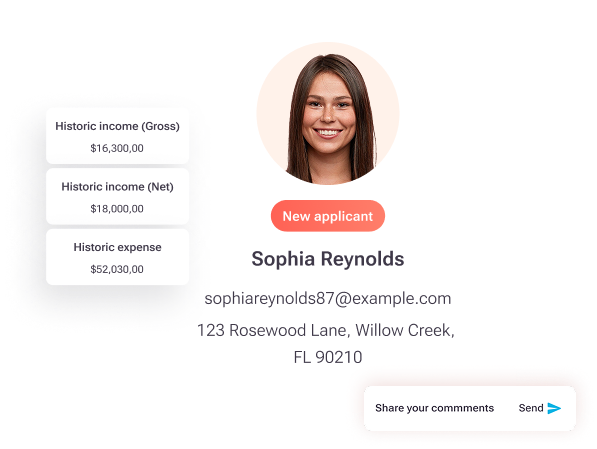
For boards, the impact feels immediate. Instead of waiting for emailed PDFs or attending scheduled review sessions, board members use a dedicated voting panel with AI-generated applicant summaries and real-time status. Every action is timestamped and auditable. Decisions that once required days of coordination now happen inside the same workflow where the application arrives.
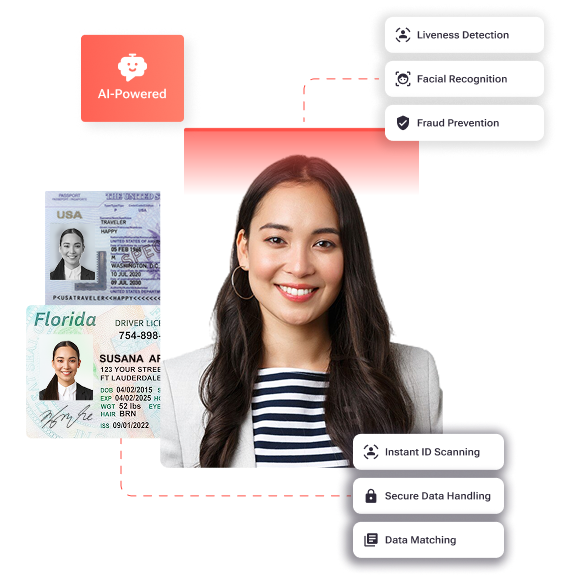
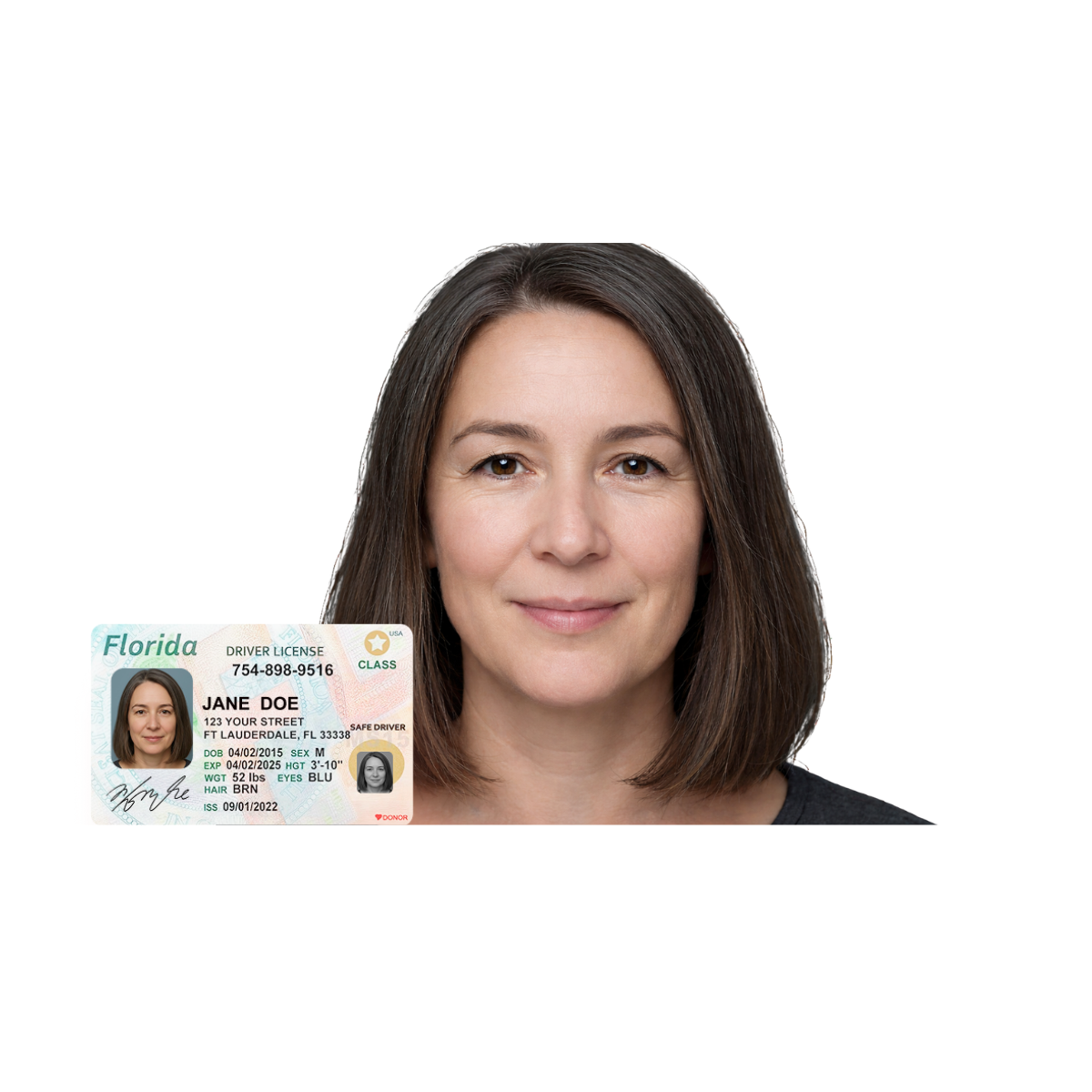
QuickApprove also connects directly to IDVerify, which adds biometric identity verification inside the same screening flow. Government ID validation, AI-powered liveness detection, and facial biometric matching confirm that boards approve verified identities rather than only uploaded documents. This combined workflow supports high-volume seasons and communities with complex onboarding rules.
For Florida communities that manage age-restricted properties, QuickApprove further ties into 55+ Communities Verification. This integration standardizes how age-restricted requirements are handled across applications, reduces manual work, and improves documentation consistency. It also strengthens operational efficiency and internal controls for HOPA-related reviews.
Schedule a demo today to see QuickApprove and the board dashboard working in real time.
Annual Staff Hour Savings by Application Volume
The following examples show HOA lease approval time savings at different application volumes. They use NARPM’s 2025 benchmark of 3.45 manual hours per application reduced to 0.85 hours with automation, which equals 2.6 hours saved per application.
- 100 applications/year: 260 staff hours recovered annually
- 500 applications/year: 1,300 staff hours recovered annually
- 1,000 applications/year: 2,600 staff hours recovered annually
- 5,000 applications/year: 13,000 staff hours recovered annually
TenantEvaluation has processed more than 1 million applications across 50,000 communities. Management companies that move to the platform capture substantial savings by cutting processing time and freeing staff capacity. At typical administrative rates, portfolios recover direct labor savings from screening alone before they even factor in vacancy reduction and faster revenue.
Where Human Oversight Still Matters
Automation keeps board authority and CAM judgment in place. It focuses human attention on the applications that truly need it. TenantEvaluation routes exception cases, which are applications that fall outside pre-configured criteria, to manual review so boards and CAMs spend time on complex decisions instead of routine processing.
This structure means well-designed screening automation handles most applications automatically. Remaining cases receive faster, more focused human review than traditional manual processes allow.
Boards keep final approval authority through the QuickApprove voting panel. CAMs keep exception review and compliance oversight. TenantEvaluation supplies the data, workflow, and audit trail, and the association makes the decision.
Florida-Focused Compliance and Screening Benefits
Generic screening platforms rarely match Florida community association workflows. TenantEvaluation is built specifically for Community Associations and Management Companies, with FCRA compliance as the foundation rather than an afterthought.
Florida-specific advantages include:
- Direct credit bureau reseller status: TenantEvaluation is an approved reseller of TransUnion and Equifax data, accessed under strict bureau rules with no gray-market or offshore sources, which protects community associations from liability exposure.
- Biometric IDVerify: Moves communities from document-based review to biometric-confirmed identity verification and addresses growing exposure to synthetic identities and impersonation attempts in Florida HOAs and condos.
- 55+ Communities Verification: Standardizes age-restricted application handling across Florida condos and HOAs and improves documentation consistency for communities that manage HOPA-related requirements.
- Lease Tracking: Provides centralized, real-time lease visibility and lifecycle control from application to occupancy. It connects resident onboarding, unit data, approvals, and lease documentation inside one audit-ready platform and replaces spreadsheets and scattered email chains.
- Built-in audit trails: Timestamps every application action and supports FCRA adverse action workflows, which reduces legal exposure.
Frequently Asked Questions
How long does tenant evaluation take with TenantEvaluation?
With TenantEvaluation’s automated platform, the full application cycle, from submission through identity verification, background check, and board decision, can compress to as little as 5–10 minutes for standard applications. Complex cases that require exception review may take longer, yet parallel processing removes the sequential delays that make manual screening take the 5–10 business days described earlier. Credit and background results return in the under-30-minute timeframe shown in the comparison table. Identity verification via IDVerify completes in minutes, and board voting through QuickApprove happens in real time instead of over days of email coordination.
What is the typical HOA lease approval time savings?
Florida HOAs using TenantEvaluation report the up to 70% reduction in application processing time documented earlier. Industry benchmarks from NARPM’s 2025 Operations data show manual screening and leasing tasks average 3.45 hours per application and drop to 0.85 hours with full automation, which equals a 75% reduction. For communities that process hundreds of applications each year, that shift translates into thousands of recovered staff hours. Management companies that adopt TenantEvaluation gain these savings by reducing processing time and redirecting staff capacity to higher-value work.
How does QuickApprove HOA time savings compare to manual processes?
Manual board approval workflows rely on email chains, PDF attachments, and manual follow-ups that often extend the approval phase by 2–5 days per application. QuickApprove replaces that process with a connected board dashboard inside TenantEvaluation, where board members see AI-generated applicant summaries, cast votes, and track status in real time without leaving the platform. The result is faster, clearer, and more consistent approvals, with fewer manual follow-ups for CAMs and better visibility for boards. QuickApprove supports high-volume seasons and communities with complex onboarding requirements and still preserves board oversight, compliance review, and final decision authority.
Can boards maintain oversight with automated tenant screening software?
Boards maintain full oversight with TenantEvaluation. The QuickApprove board dashboard gives members direct access to application status, summarized screening reports, and a dedicated voting panel inside TenantEvaluation. Every action is timestamped and auditable. Boards decide, and TenantEvaluation supplies the data and workflow. Exception cases route automatically to human review. The platform’s FCRA-first design, built-in adverse action workflows, and complete audit trails give boards more visibility and more defensible records than typical manual processes.
Conclusion: Turning Days of Work into Minutes
Manual HOA tenant screening consumes hundreds of staff hours each year for Florida communities. The data from NARPM, IREM, NAA, and TransUnion is consistent: manual screening takes the 5–10 business days established earlier and 3–5 staff hours per application. Automation compresses that window to hours or minutes, with 30–80% time reductions documented across the industry and up to 70% savings reported by TenantEvaluation communities.
TenantEvaluation is an all-in-one platform built specifically for Florida community associations. It combines QuickApprove for accelerated board approvals, IDVerify+ for biometric identity confirmation, 55+ Communities Verification for age-restricted documentation consistency, and Lease Tracking for centralized, real-time lease lifecycle control. FCRA compliance sits at the core of the platform. With thousands of communities and more than one million applications processed, TenantEvaluation provides a specialized solution for Florida CAMs and boards that want to reclaim staff time and speed decisions.
Schedule a demo today and see how many hours your community can recover.
