Written by: Luis Teran, Co-founder, CEO, TenantEvaluation
Key Takeaways
- Florida’s 2026 regulations require websites or portals for condos with 25+ units and fully funded reserves, so specialized proptech compliance software is now essential for HOAs and condo managers.
- Choose software with Florida-specific customization, FCRA-compliant screening, and automated audit trails to avoid fines and lawsuits of $100 to $1,000 per violation.
- Prioritize board dashboards, automated document redaction, milestone inspection tracking, and strong integrations to streamline approvals and cut manual work by up to 70%.
- Select revenue-sharing models that turn application fees into profit centers, generating over $150 million for communities while removing subscription costs.
- TenantEvaluation delivers 5 to 10 minute processing, $240,000 average annual savings, and board-focused features. Schedule a demo today to secure compliance.
9 Must-Have Criteria for Florida HOA and Condo Compliance Software
1. Florida-Specific Regulatory Customization for 2026 and Beyond
Your compliance software must handle Florida’s complex and changing rules automatically. House Bill 913 (2025) amends multiple chapters, adds milestone inspection rules, and requires all condo and co-op associations to create DBPR online accounts by October 1, 2025. Generic property management platforms rarely support this level of detail for Florida communities.
Look for software that updates bylaws, tracks milestone inspection deadlines, and connects directly to state reporting systems. TenantEvaluation’s Florida-built platform configures community rules and compliance requirements based on Florida law and association bylaws. This approach removes manual updates that create regulatory gaps and risk.
2. FCRA-Compliant Screening and Built-In Audit Trails
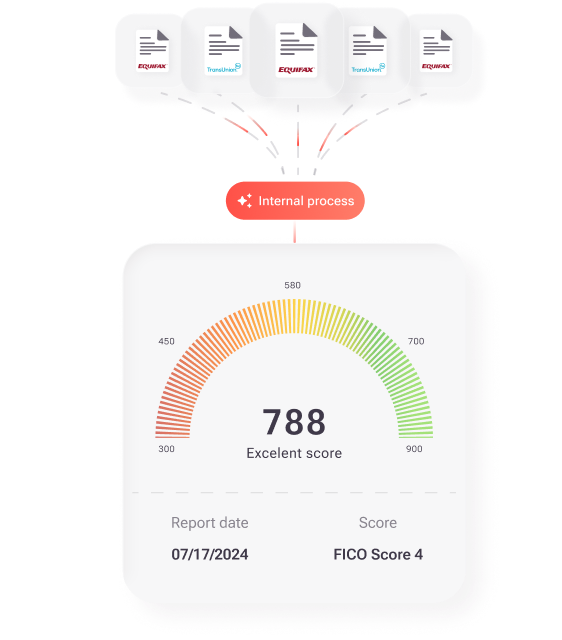
FCRA compliance forms the legal backbone of your screening process. Tenant screening reports, including credit, eviction, and criminal history, fall under the Fair Credit Reporting Act (FCRA), and missing or incorrect adverse action notices can trigger lawsuits with penalties of $100 to $1,000 per violation plus attorney fees.
Your software should act as a direct credit bureau reseller, not a data scraper that increases liability. It needs automated adverse action workflows, clear separation between data provider and decision maker, and complete audit trails for every decision. TenantEvaluation focuses on community associations and treats FCRA compliance as a core requirement, with direct TransUnion and Equifax reseller relationships.
3. Board Director Dashboards for Clear, Fast Approvals
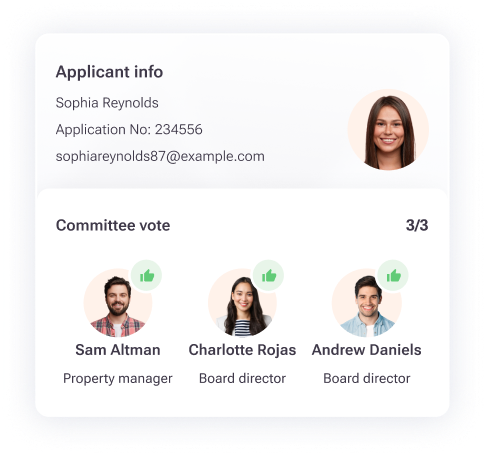
Board members need a single place to review applications without sorting through long email threads. Condo Control supports electronic voting, surveys, and polls for HOA board voting workflows, along with automated tools for violations and communications.
Your software should display real-time application status, AI-generated summaries, and simple voting panels that match your approval rules. TenantEvaluation’s QuickApprove dashboard gives board members direct visibility and control that competitors like AppFolio and Yardi do not provide for association boards.
4. Automated Document Redaction and Data Security
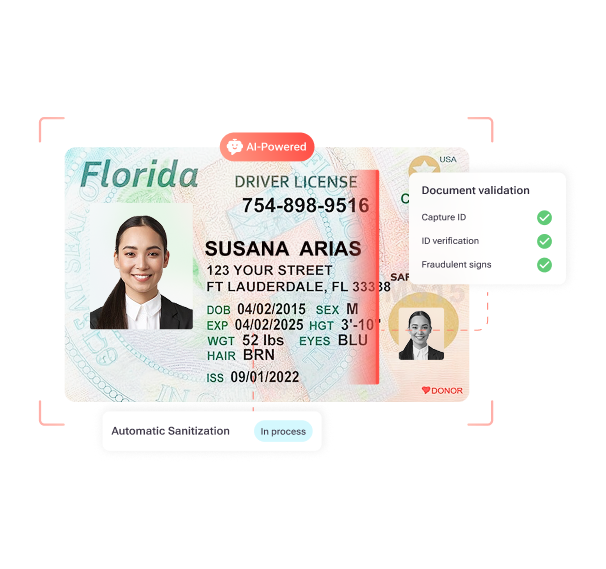
Manual handling of sensitive documents exposes associations to serious data privacy risk. Under FCRA, if you run credit checks, you must dispose of data securely and notify tenants when report information leads to denial.
Your compliance platform should automatically redact personal identifiable information such as Social Security numbers and bank details. PCI Level 1 compliance and end-to-end encryption should serve as minimum security standards. TenantEvaluation’s automated redaction cuts about 70% of manual document review time while maintaining bank-level protection for applicant data.
5. Automated Milestone Inspection and COI Tracking for Florida Rules
Florida’s milestone inspection rules require precise tracking and documentation. HB 913 links milestone inspection requirements with reserve funding deadlines, which creates complex workflows that manual spreadsheets cannot manage reliably.
Your software should track inspection schedules, certificate of insurance renewals, and related deadlines, then generate clear compliance reports. Real-time alerts help boards avoid missed dates that can trigger penalties. TenantEvaluation supports Florida-specific compliance needs while streamlining resident onboarding, which reduces regulatory risk.
6. Revenue-Generating Application Fee Models for Associations
Compliance software can pay for itself when the pricing model supports revenue sharing. Traditional vendors rely on monthly subscriptions that strain association budgets. Revenue-sharing models tie vendor income to application volume and community success while removing upfront software costs.
TenantEvaluation uses a pay-per-application model that has generated more than $150 million for communities. This structure turns onboarding into a profit center instead of a pure expense and still maintains strong compliance controls.
7. Community Analytics That Guide Board Decisions
Boards make better decisions when they can see clear resident data. Your compliance software should provide reports on demographics, rental activity, and resident profiles that support planning for amenities, rules, and services.
Detailed insight into pet ownership, electric vehicle usage, and demographic shifts helps boards plan policies before issues surface. TenantEvaluation’s analytics give boards data to support decisions on pet rules, EV charger installations, and other community investments.
8. Integrations with Existing Property Management and Accounting Systems
Your compliance platform should fit into your current technology stack without forcing a full system change. Look for vendors with proven integrations and partnerships with major management and accounting platforms.
TenantEvaluation integrates with systems used by RealManage, Associa, FirstService Residential, Castle Group, and other large operators. These integrations keep data flowing between platforms and reduce extra work for on-site teams.
9. Documented Time and Cost Savings for HOAs and Condos
Real performance metrics matter more than long feature lists. Your compliance software should show clear reductions in processing time, staff workload, and total costs.
TenantEvaluation processes more than 100,000 applications each year and holds a 4.8 out of 5 Google rating. Clients report a shift from multi-day processing to 5 to 10 minutes per application and savings of up to $240,000 per year. More than 5,000 communities use these results to justify the platform.
TenantEvaluation vs. Competitors: Feature Comparison for Boards
|
Feature |
TenantEvaluation |
AppFolio/Yardi |
Condo Control |
|
Processing Time |
5-10 minutes |
5-10 days |
Automated workflows |
|
FCRA Compliance |
Direct credit bureau reseller |
Basic screening features |
Compliance tools for violations |
|
Board Access |
QuickApprove dashboard |
Generic portals |
Electronic voting only |
|
Revenue Model |
Revenue-sharing, no upfront fees |
Monthly subscriptions |
Monthly subscriptions |
TenantEvaluation focuses on community associations, which allows deeper compliance coverage and board-specific tools that generic property management platforms rarely match. The revenue-sharing model also aligns financial incentives and removes subscription fees that strain association budgets.
What is proptech regulatory compliance software?
Proptech regulatory compliance software automates requirements such as FCRA screening, milestone inspections, and document management for HOAs and condominium associations. It helps communities stay compliant while reducing manual administrative work for managers and boards.
How does it help with FCRA for HOAs?
FCRA-compliant software manages adverse action workflows, keeps audit trails for every screening decision, and connects directly to credit bureaus. This setup removes third-party scraping risk and supports proper applicant notifications.
What is the best software for Florida condo boards?
TenantEvaluation’s QuickApprove dashboard gives Florida condo boards direct access to application reviews, AI-generated summaries, and transparent voting workflows tailored to association governance.
Schedule a demo today to experience TenantEvaluation’s board-specific features.
Frequently Asked Questions
What are the compliance costs of manual HOA onboarding processes?
Manual onboarding can cost associations about $240,000 per year and consume up to 50 staff hours each day. These costs come from document review, repeated follow-up, compliance gaps, and potential penalties. Automated proptech compliance software cuts these costs by about 70% while improving accuracy and audit readiness.
How does proptech regulatory compliance software integrate with existing property management systems?
Leading compliance platforms offer APIs and formal partnerships with major property management companies. TenantEvaluation connects with systems used by RealManage, Associa, FirstService Residential, and other large firms so data moves smoothly between platforms without major workflow changes or retraining.
What are the penalties for non-compliance with Florida’s 2026 regulations?
Florida’s 2026 rules can trigger serious penalties for non-compliance. Missing website requirements, milestone inspection deadlines, or reserve funding rules can lead to regulatory fines, lawsuits, and even board member exposure. FCRA violations add penalties of $100 to $1,000 per violation, plus attorney fees, which makes automation a key risk control.
How do revenue-sharing models work for HOA compliance software?
Revenue-sharing models remove upfront software costs by taking service fees from collected application fees and rebating the remaining amount to the association. TenantEvaluation has used this model to generate more than $150 million for communities, turning compliance into a revenue source while maintaining strong standards and efficient operations.
What ROI can associations expect from proptech regulatory compliance software?
Associations usually see fast ROI through lower staff workload, fewer penalties, and new revenue from application fees. TenantEvaluation clients report 70% time savings, $240,000 yearly cost reductions, and processing improvements from days to minutes. Many communities reach positive ROI within the first quarter after launch.
Conclusion: Secure Compliance and Save $240K with TenantEvaluation
Florida’s 2026 regulatory landscape requires specialized proptech compliance software that goes far beyond generic property management tools. The nine criteria in this guide, including Florida-specific rules, FCRA compliance, board dashboards, automated security, milestone tracking, revenue generation, analytics, integrations, and proven results, highlight what separates leaders from basic screening services.
TenantEvaluation addresses each of these criteria and delivers measurable results across more than 5,000 communities. With deadlines approaching and compliance costs rising, associations face real risk if they rely on manual processes. Schedule a demo today with TenantEvaluation’s proptech regulatory compliance software to secure compliance and turn onboarding into a reliable revenue stream.
