Written by: Luis Teran, Co-founder, CEO, TenantEvaluation | Last updated: August 6, 2026
Key Takeaways
- Buildium is a general property management platform and does not provide HOA compliance workflows tailored to Florida condo associations under Chapters 718 and 720.
- Key gaps include no dedicated violation lifecycle, no architectural review workflows, no biometric screening, and no real-time lease tracking connected to onboarding.
- Florida boards face heightened liability from missing audit trails, undocumented decisions, and fragmented resident screening processes.
- TenantEvaluation delivers FCRA-first screening, biometric ID verification, board voting dashboards, and centralized lease lifecycle management in one connected platform.
- Boards can close compliance gaps and reduce liability with TenantEvaluation’s end-to-end workflow; learn more.
Florida Condo Compliance Pressures in 2026
Florida condo associations operate in one of the most demanding regulatory environments in the United States. Chapter 718 of the Florida Statutes governs condominium associations. Chapter 720 applies to homeowners associations. In 2026, enforcement scrutiny has intensified after legislative amendments expanded board accountability and tightened structural reserve requirements following high-profile building safety incidents.
Technology adoption across Florida community associations has accelerated, yet a clear gap remains between the administrative tools most boards use and the compliance infrastructure they actually need. Platforms designed for general property management, including Buildium, provide basic utilities. Florida-specific liability exposure, FCRA-first screening, biometric verification, and real-time lease visibility still sit outside what those tools deliver.
Buildium HOA Compliance Features for Florida Condo Boards
Feature: General HOA management tools. Limitation: Built for broad property management, not community association compliance specificity. Florida note: Does not address Chapter 718/720 audit trail requirements or FCRA-aligned screening workflows natively.
Buildium is a cloud-based property management platform that serves many property types, including HOAs and condo associations. Its HOA-facing features include a resident portal and accounting tools. For Florida condo boards evaluating compliance readiness in 2026, these tools form a starting point, not a complete solution. The platform was not built exclusively for community associations, and that generalist design creates measurable gaps when boards face Florida-specific liability scenarios.
Buildium Violation Tracking for HOAs
Feature: Violation logging via maintenance and task modules. Limitation: No dedicated violation workflow with timestamped audit trails tied to board decisions. Florida note: Florida statute requires associations to maintain records of board actions. A general task module does not produce the structured documentation needed for dispute defense.
Buildium allows managers to log violations through its task and maintenance modules, and notices can be sent through the resident portal. The workflow, however, is not purpose-built for HOA violation enforcement. There is no dedicated violation lifecycle that covers initial observation, notice issuance, cure period tracking, fine assessment, and board hearing documentation with a defensible, timestamped audit record. For Florida condo boards managing high-density communities, this missing structure creates liability exposure when owners contest fines or escalate disputes.
Buildium Architectural Review Handling for Condo Boards
Feature: Document upload and task assignment for ARC requests. Limitation: No dedicated architectural review committee (ARC) workflow with board voting, approval conditions, or expiration tracking. Florida note: Florida associations must document ARC decisions consistently to defend against selective enforcement claims. An ad hoc task system does not meet that standard.
Architectural review requests in Buildium typically move through document uploads and manual task assignments. The platform does not provide a structured ARC workflow that routes submissions through a defined review queue, captures board or committee votes, attaches approval conditions, or tracks permit expiration dates. Florida condo boards that face selective enforcement claims in arbitration or litigation need a documented, consistent process instead of a workaround built on general task management.
Buildium Document Storage and Audit Trails
Feature: Cloud document storage with folder organization. Limitation: No automated audit trail linking documents to specific board decisions, applicant records, or compliance events. Florida note: Chapter 718.111 requires associations to maintain official records accessible to unit owners. Disconnected document folders do not satisfy the traceability standard boards need for audit defense.
Buildium provides cloud-based document storage that allows managers to organize files by property or category. It does not provide an automated audit trail that connects a stored document to the specific board action, applicant decision, or compliance event that generated it. In a Florida audit or owner records request, boards must produce a complete, traceable chain of documentation from application submission through board vote to final decision. These documentation gaps translate directly into liability exposure for board members.
Florida Condo Board Liability Risks and Gaps
HOA president liability in Florida is a concrete legal reality. Board members can face personal liability for decisions made outside the scope of the business judgment rule, for failure to enforce governing documents consistently, and for inadequate recordkeeping that prevents the association from defending its actions. Signs of a dysfunctional HOA board often include inconsistent violation enforcement, undocumented architectural decisions, missing resident records, and approval processes that rely on email chains instead of structured workflows.
In 2026, Florida boards also face heightened scrutiny around age-restricted community compliance. Communities operating under the Housing for Older Persons Act (HOPA) must maintain specific documentation standards for 55+ eligibility. Manual processes built on PDFs and email follow-ups create inconsistency that surfaces as liability during HUD surveys or owner disputes. TenantEvaluation’s 55+ Communities Verification standardizes application handling for age-restricted communities, reduces manual work, supports documentation consistency, and improves operational efficiency for Florida condos and HOAs without replacing legal guidance.
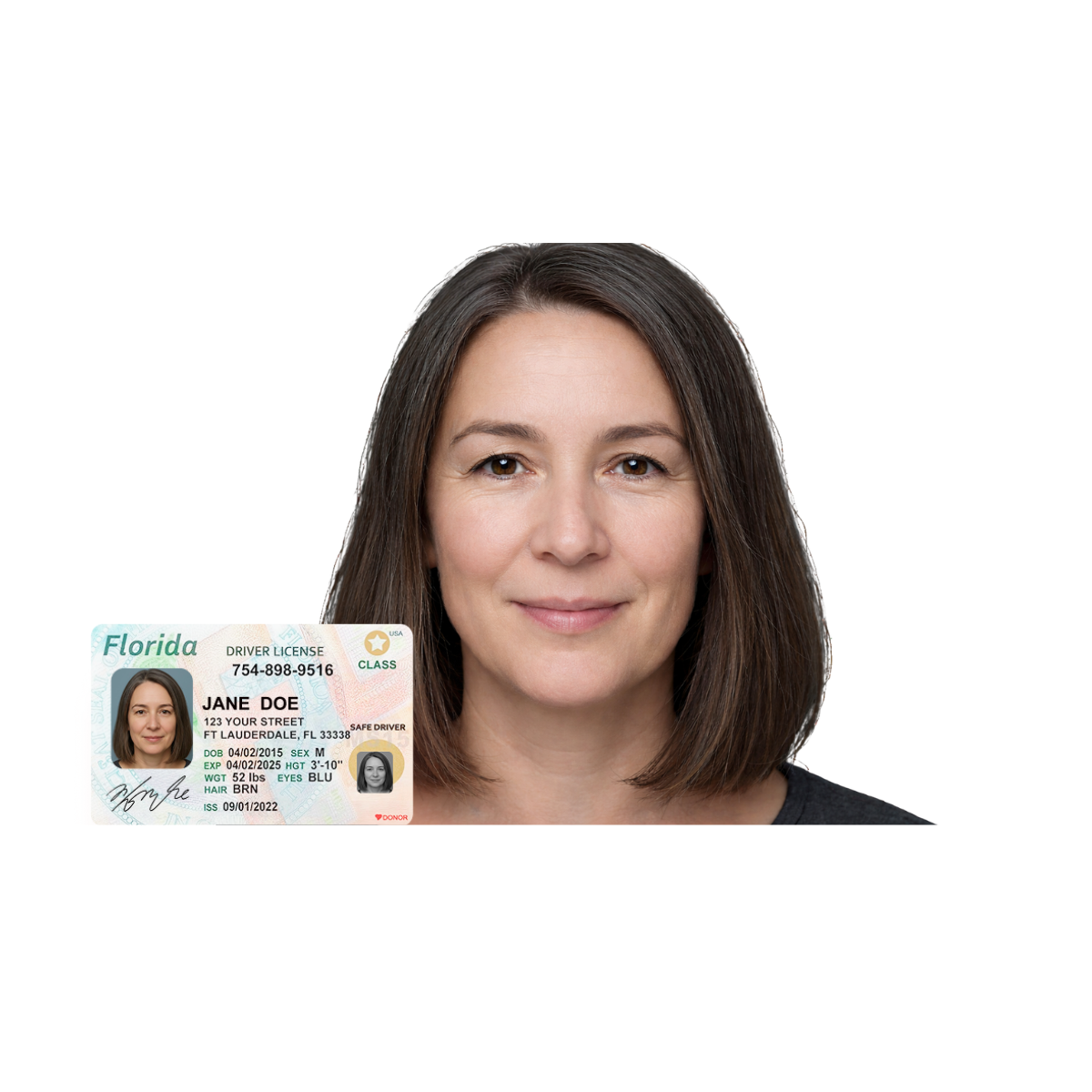
Resident Screening and Onboarding: Buildium vs TenantEvaluation
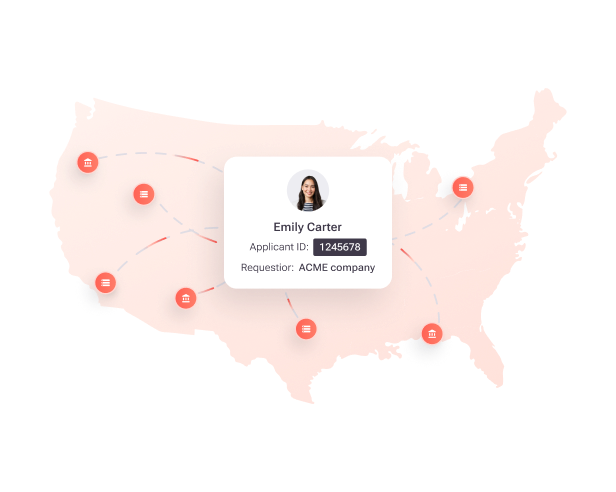
Buildium offers a resident screening integration through a third-party provider, but the process does not function as a native, FCRA-first workflow. The screening step sits outside the core onboarding process, so there is no direct connection between an applicant’s background check results, identity verification status, board approval vote, and lease record. For Florida condo boards, this fragmentation creates compliance gaps. Adverse action workflows may not be automated, permissible purpose controls may not be enforced at the platform level, and biometric identity verification is missing.
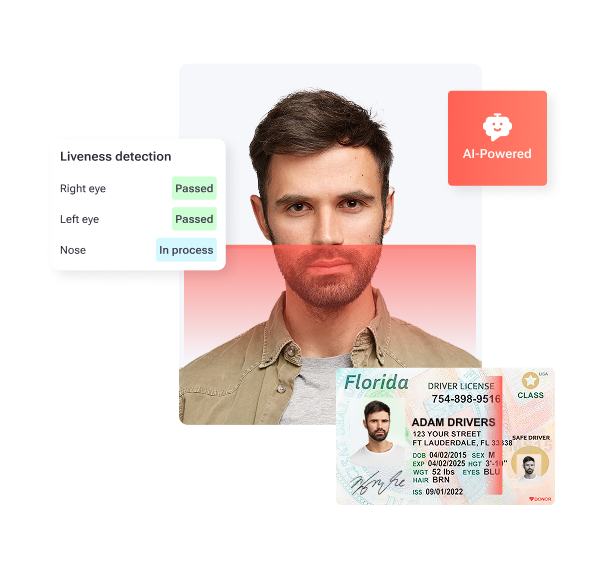
TenantEvaluation is built specifically for community associations and management companies with FCRA compliance as the foundation. As a direct reseller of TransUnion and Equifax data, TenantEvaluation enforces strict permissible purpose controls and automates adverse action workflows. It embeds IDVerify+, which confirms identity biometrically inside the screening workflow. The result is a single, uninterrupted process instead of external portals and workflow disruption.
Lease Tracking and Occupancy Visibility Limitations
Feature: Basic lease document storage within unit records. Limitation: No real-time lease status tracking, no automated lease document collection during onboarding, and no connection between active leases and the approval workflow. Florida note: Florida associations must confirm occupancy status and lease terms on demand. Disconnected lease records create operational blind spots that increase compliance risk.
Buildium stores lease documents within unit records, yet lease management remains disconnected from the resident onboarding lifecycle. Managers do not see real-time status for leases that are active, pending, expired, or missing. Lease expirations require manual tracking. The platform does not collect lease documents automatically during the application process or maintain a unit-level occupancy record tied to the approval workflow.
TenantEvaluation’s Lease Tracking feature delivers centralized, real-time lease visibility and lifecycle control from application to occupancy. It connects resident onboarding, unit data, approvals, and lease documentation in one streamlined, audit-ready workflow. Boards gain real-time lease status, automated lease document collection, unit-level tracking, and a searchable digital history instead of spreadsheets and scattered email chains.
Buildium vs TenantEvaluation: Compliance Feature Comparison Table
The following table highlights the compliance capabilities Florida condo boards need in 2026 and shows where Buildium’s general design creates gaps that TenantEvaluation’s specialized workflows address.
| Compliance Feature | Buildium | TenantEvaluation | Florida Relevance |
|---|---|---|---|
| Violation Logging | General task module, no dedicated violation lifecycle | Structured, timestamped violation workflow with audit trail | Required for dispute defense under Ch. 718/720 |
| Architectural Review Workflows | Ad hoc document upload and task assignment | Dedicated ARC workflow with board voting and approval tracking | Consistent documentation required to defend against selective enforcement claims |
| Document Audit Trails | Folder-based storage, no automated event linkage | Automated audit trails linked to board decisions and applicant records | Ch. 718.111 owner records access requirements |
| Biometric Screening | Not available | IDVerify+: government ID validation, liveness detection, facial biometric matching | Reduces identity fraud exposure in high-density Florida communities |
| Board Voting Dashboard | Not available | QuickApprove: board-ready approval process with real-time application tracking and voting panel | Supports board decision transparency and audit defensibility |
| 55+ Community Support | Not available | 55+ Communities Verification: standardizes age-restricted application handling | HOPA documentation consistency for Florida age-restricted communities |
| Lease Tracking | Basic document storage, no real-time status or lifecycle connection | Centralized, real-time lease visibility from application to occupancy | Occupancy confirmation and lease record access on demand |
| Connected Payments | Separate accounting module, not integrated with onboarding | TEpayments by Zinc: fees and deposits collected within onboarding, funds go directly to Association’s account | Traceable payment records for board oversight and audit readiness |
7-Step Condo Board Compliance Workflow with TenantEvaluation
The following workflow shows how TenantEvaluation structures the end-to-end compliance process for Florida condo boards in 2026.
- Violation or Application Trigger: A violation is logged or a resident application is submitted through the platform. This action creates a timestamped record tied to the unit and owner.
- Identity Verification: IDVerify+ confirms applicant identity before the application proceeds to review, using the biometric process described earlier.
- Document Collection and Smart Review: The platform automatically collects required documents, rejects incomplete submissions, and redacts sensitive PII. Boards receive a clean, audit-ready file.
- FCRA-Compliant Background Screening: Background checks run through TenantEvaluation’s direct TransUnion and Equifax reseller relationships. Automated adverse action workflows and platform-level permissible purpose controls support FCRA compliance.
- Board Review and Voting via QuickApprove: Board members use a dedicated voting panel with AI-generated applicant summaries, real-time application tracking, and automated communication support. This setup accelerates resident approvals while preserving control, compliance, and visibility.
- Lease Tracking Activation: After approval, the lease is collected and connected to the unit record. Real-time status visibility and automated expiration tracking replace manual spreadsheets.
- Payment Collection via TEpayments by Zinc: Application fees and deposits are collected within the onboarding workflow. Payments move directly from the applicant to the Association’s designated account, with traceable records for board oversight.
Best Practices and Emerging Standards for Florida Boards
In 2026, Florida condo boards and CAMs are adopting several operational standards to reduce liability and improve compliance readiness.
- Biometric-first identity verification: Boards are moving from document-based review to biometric-confirmed identity confirmation before approval decisions. This shift reduces exposure to synthetic identity fraud and impersonation attempts because biometric matching confirms that the person submitting the application matches the identity documents, a safeguard document review alone cannot provide.
- Centralized lease lifecycle management: Boards are replacing disconnected spreadsheets with a single platform that connects applications, approvals, unit data, and lease documentation. Every lease becomes searchable, trackable, and audit-ready from onboarding to occupancy.
- Structured 55+ documentation workflows: Associations are standardizing how age-restricted application requirements are handled across communities. This approach improves documentation consistency and reduces fragmentation ahead of HUD surveys or owner disputes.
- Board-integrated approval processes: Boards are replacing email-chain approvals with dedicated voting dashboards that produce timestamped, auditable decision records.
- Connected payment workflows: Fees and deposits move through the onboarding process instead of separate manual steps. This change eliminates manual tracking, improves board visibility, and maintains traceable payment records.
- FCRA-first screening infrastructure: Screening workflows now enforce permissible purpose controls, automate adverse action notices, and maintain complete audit trails as part of the core platform design.
Frequently Asked Questions
What HOA compliance features does a Florida condo board need in 2026?
Florida condo boards need platforms that provide structured violation tracking with timestamped audit trails, dedicated architectural review workflows with documented board decisions, FCRA-compliant resident screening with automated adverse action, biometric identity verification, and real-time lease visibility from application to occupancy. Boards also need a board-ready voting dashboard and connected payment collection within the onboarding process. General property management platforms that rely on workarounds instead of purpose-built workflows leave boards exposed to liability gaps that surface during audits, owner disputes, or regulatory reviews.
How do Buildium’s HOA features differ from TenantEvaluation for Florida condo boards?
Buildium is a general property management platform with HOA-facing utilities such as document storage, a resident portal, and basic accounting. It was not designed exclusively for community associations and does not offer native FCRA-first screening, biometric identity verification, a board voting dashboard, structured violation lifecycle workflows, or real-time lease tracking connected to onboarding. TenantEvaluation focuses on community associations and management companies and delivers end-to-end resident onboarding from application intake through identity verification, board approval, lease tracking, and payment collection in one connected platform tailored to Florida’s regulatory environment.
How does TenantEvaluation reduce Florida condo board liability compared to manual or generic platforms?
TenantEvaluation reduces liability exposure through several connected capabilities. IDVerify+ confirms applicant identity biometrically before approval, which lowers fraud risk. QuickApprove produces timestamped, auditable board decisions that replace email chains. Lease Tracking maintains centralized, real-time lease records that support occupancy confirmation and compliance readiness. The 55+ Communities Verification feature standardizes documentation for age-restricted communities and improves consistency ahead of HUD surveys. TEpayments by Zinc provides traceable payment records for board oversight. Across all workflows, built-in audit trails and FCRA-aligned processes reduce manual errors and documentation gaps that create liability exposure for Florida boards.
Does TenantEvaluation support 55+ age-restricted condo communities in Florida?
Yes. TenantEvaluation’s 55+ Communities Verification is a built-in capability designed for Florida condos and HOAs that manage age-restricted communities. It standardizes how age-restricted application requirements are handled, reduces manual work, supports documentation consistency, and improves operational efficiency for CAMs and boards. The feature functions as a workflow standardization and documentation-consistency tool. It does not replace legal guidance, but it creates more structured records for internal operational control and reduces the fragmentation that surfaces as risk during audits or owner disputes.
What is QuickApprove and how does it help condo board presidents manage resident approvals?
QuickApprove is TenantEvaluation’s accelerated approval workflow for CAMs, boards, and property management teams inside one connected platform. It gives board members a dedicated review and voting panel with AI-generated applicant summaries, real-time application tracking, automated communication support, customized approval letters, and a personalized welcome package. QuickApprove accelerates resident approvals while maintaining control, compliance, and visibility. Board presidents gain direct, real-time access to application status and a structured decision workflow that produces auditable records.
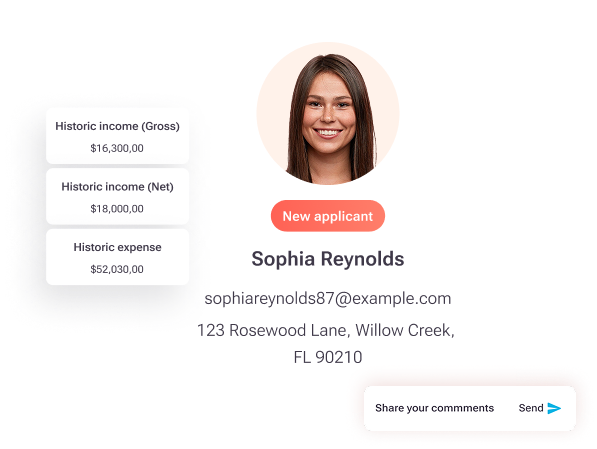
Florida Condo Board Compliance Checklist: 2026
Use this checklist to confirm that your current platform covers the core compliance capabilities Florida condo boards need to reduce liability and maintain audit-ready documentation.
| Compliance Area | Required Capability | TenantEvaluation Feature | Status |
|---|---|---|---|
| Resident Identity Verification | Biometric ID validation before approval | IDVerify+ | Available |
| FCRA-Compliant Screening | Direct bureau reseller, adverse action automation | SafeCheck+ / TransUnion & Equifax reseller | Available |
| Board Approval Workflow | Voting dashboard with timestamped decisions | QuickApprove | Available |
| Lease Lifecycle Tracking | Real-time lease status from application to occupancy | Lease Tracking | Available |
| 55+ Community Documentation | Standardized age-restricted application handling | 55+ Communities Verification | Available |
| Payment Collection in Onboarding | Fees and deposits collected within the application workflow | TEpayments by Zinc | Available |
| Document Audit Trails | Automated trails linked to board decisions and applicant records | Built-in audit trail across all workflows | Available |
| Violation Tracking | Structured lifecycle with timestamped records | Compliance workflow with audit-ready documentation | Available |
See the full compliance platform in action — built specifically for Florida condo boards.
