Written by: Luis Teran, Co-founder, CEO, TenantEvaluation
Key Takeaways for Florida 55+ Screening
- Florida 55+ communities must verify that at least 80% of units have one resident aged 55 or older under HOPA. Associations rely on documents such as birth certificates or government IDs to confirm age.
- Effective screening covers credit (typically 620+ score), criminal and eviction history, income verification, and biometric ID checks that reduce fraud risk.
- Manual processes often create 5–10 day delays, consume 50+ admin hours daily, and increase compliance risk. Automation cuts processing time to under one hour.
- TenantEvaluation provides specialized workflows for Florida HOAs and condos, including biometrics, board dashboards, FCRA compliance tools, and Florida-specific HOPA support.
- See how TenantEvaluation streamlines 55+ screening and reduces manual work with a personalized platform walkthrough.
Core Steps in the 55+ Resident Screening Process
The 55+ resident screening process verifies identity, age, financial stability, and background history to protect communities and maintain HOPA compliance. Florida guidelines mandate that at least 80% of the units in 55+ communities must have at least one resident aged 55 or older, so associations rely on reliable documentation such as birth certificates or driver’s licenses for age verification.
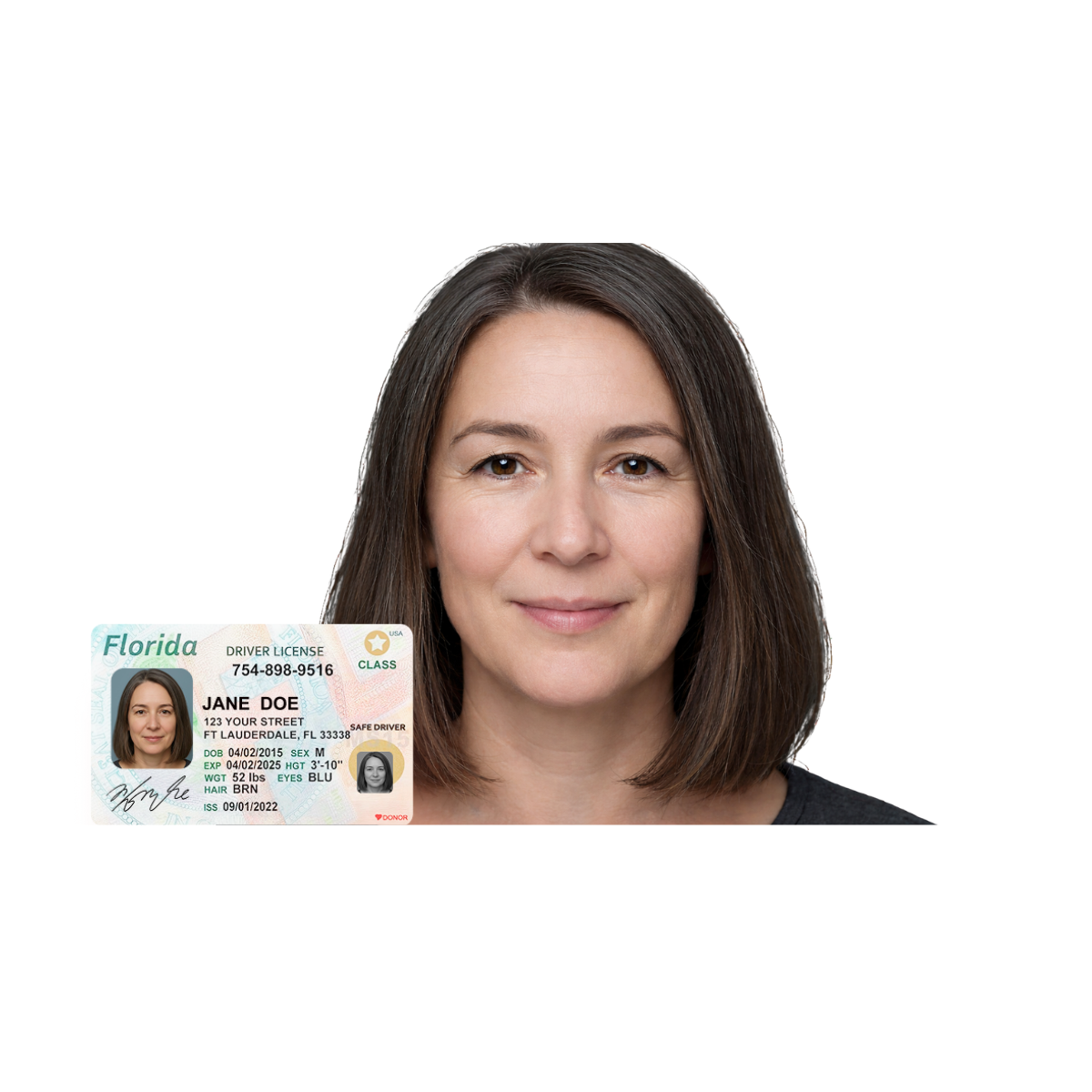
The following table highlights the main screening components, what each step confirms, and how long they typically take.
| Component | What It Checks | Typical Time |
|---|---|---|
| Credit Report | Score, debt, DTI (36–43%) | <30 mins |
| Criminal/Eviction | Criminal convictions (indefinite under FCRA, often 7 years), history | 24–72 hrs |
| 55+ Age Verification | Docs for 80% rule | Instant-auto |
| Biometric ID | Liveness, selfie match | Seconds |
The standard workflow follows a clear sequence that confirms identity and age before reviewing financial and legal history. It begins with application submission and required documents. The association then confirms the applicant’s identity through biometric verification. Once identity is confirmed, the process verifies age documentation for HOPA compliance.
After age verification, the association reviews credit reports, usually applying minimum score thresholds in the 620–650 range. Screening then checks criminal background, where criminal convictions have an indefinite lookback period under federal law (FCRA), though many background checks default to 7 years and some states limit reporting to 7 years. The workflow continues with eviction history checks and income verification. It concludes with board review and a final approval or denial decision.
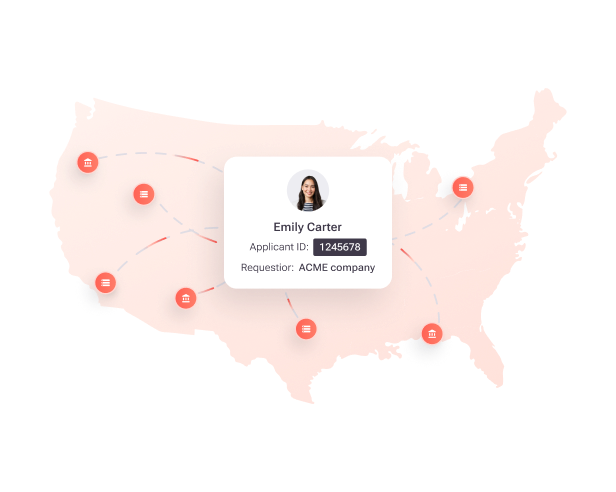
Discover TenantEvaluation’s 55+ standardization and see this workflow in action with a live product demo.
Florida HOPA Rules and Documentation Requirements
Florida HOPA rules shape how every step of the 55+ screening process must be carried out. HOPA compliance in Florida requires consistent application of age verification standards without discrimination. Florida property managers must conduct comprehensive screening including age verification to ensure compliance with HUD 55+ regulations. Income verification forms part of this review, while criminal checks focus on violent felonies and recent evictions within the past seven years.
Most Florida 55+ communities rely on a standard documentation checklist that includes:
- Government-issued photo identification
- Birth certificate or passport for age verification
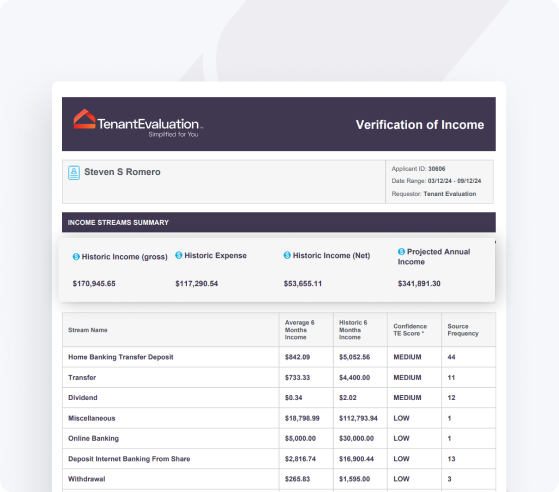
- Income documentation such as pay stubs, tax returns, or bank statements
- Previous rental history and references
- FCRA consent forms and disclosures
- Executed lease agreements or purchase contracts
TenantEvaluation’s 55+ Communities Verification reduces manual work by standardizing how applications are handled across all units. This standardization supports documentation consistency, which is critical for Florida condos and HOAs that face strict HOPA compliance expectations. By replacing fragmented email and PDF exchanges with structured workflows, Community Association Managers gain both operational efficiency and stronger internal processes.
Common Challenges in Manual 55+ Screening
Manual screening processes expose Florida associations to significant fraud risks, particularly as deepfake technology makes identity verification difficult without biometric tools. These fraud concerns are compounded by processing delays that stretch from hours into days, which creates bottlenecks that affect move-in schedules and revenue. The delays often result from inconsistent application of screening criteria across different staff members, which slows decisions and introduces compliance and fair housing vulnerabilities.
Critical red flags in 55+ applications include:
- Prior evictions within the past seven years
- Credit scores below 620 with significant collections
- Income gaps or unverifiable employment history
- Synthetic identity indicators or document inconsistencies
- Mismatched age documentation or suspicious ID alterations
- Criminal convictions for violent felonies or drug-related offenses
These challenges create measurable operational strain that affects both staff workload and resident experience. The comparison below shows how manual and automated approaches differ across key metrics.
| Metric | Manual | Automated |
|---|---|---|
| Time per App | 5–10 days | <1 hour |
| Fraud Risk | High | Reduced |
| Admin Hours/Day | 50+ | <15 |
These inefficiencies and risks create a strong case for moving away from manual workflows. An automated, Florida-focused platform addresses these pain points while keeping associations aligned with HOPA and FCRA requirements.
Best Practices: TenantEvaluation’s 55+ Screening Workflow
TenantEvaluation’s automated workflow replaces fragmented manual tasks with a single digital process that supports Florida 55+ rules. The steps below outline how applications move from submission to final board decision.
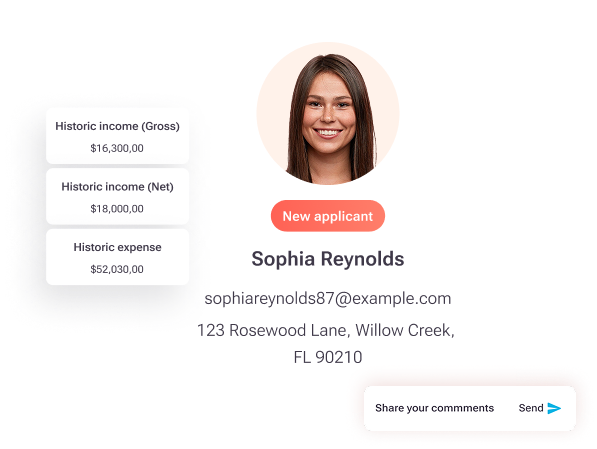
- Custom Setup: Configure Florida-specific HOPA rules and each community’s unique requirements.
- Applicant Portal: Provide a secure online application with intelligent form logic that collects complete data on the first pass.
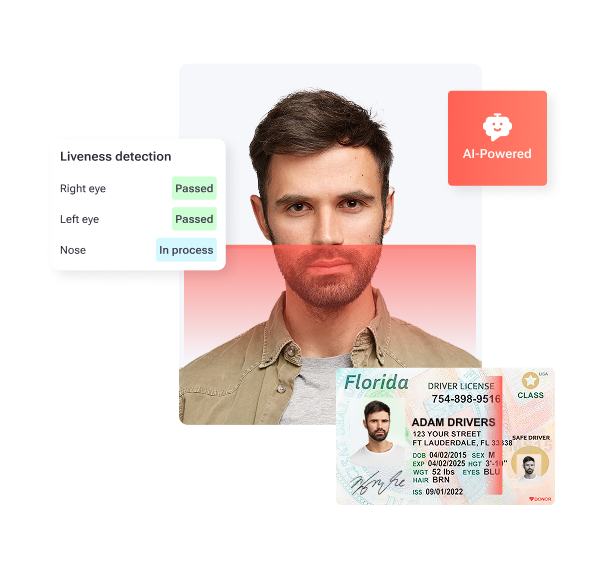
- IDVerify+ Biometrics: Use AI-powered liveness detection and facial matching to block synthetic identities and impersonation attempts.
- 55+ Verification: Run automated age documentation checks that confirm HOPA eligibility and support the 80% occupancy rule.
- SafeCheck+ Reports: Generate comprehensive credit, criminal, and eviction reports in a consistent, board-ready format.
- Income Verification: Confirm income through direct employer contact and bank verification when required by community policy.
- Document Collection: Gather supporting documents in a single system with automated redaction of sensitive information.
- QuickApprove Dashboard: Provide a board-specific interface for real-time review and voting that keeps decisions organized.
- FCRA Compliance: Automate adverse action notices and maintain detailed audit trails for every application.
- Revenue Processing: Handle application fees and related payments through automated collection with revenue sharing where applicable.
TenantEvaluation acts as a direct TransUnion reseller, which provides FCRA-compliant data access under strict bureau rules. This structure differs from competitors such as ApplyCheck or TurboTenant that focus on generic rentals and lack a dedicated 55+ Florida feature set, biometric verification, or board-specific dashboards. One Florida management company reported $240,000 in annual savings after removing 50 hours of daily manual processing through this workflow.
Get started with automated screening and see this workflow applied to your community with a guided setup session.
Competitive Advantages Over Generic Screening Platforms
TenantEvaluation focuses on Florida 55+ communities rather than broad rental markets, which sets it apart from generic tools like TurboTenant. This focus delivers specialized features such as board dashboards, Florida-specific compliance tools, and workflows tailored to HOPA rules. Unlike ApplyCheck’s TazWorks-based platform that still depends on manual document review, TenantEvaluation offers end-to-end automation with biometric verification and revenue-sharing models that align with community association goals.
Conclusion and Next Steps for Florida 55+ Communities
Adopting TenantEvaluation’s specialized platform turns 55+ resident screening from a manual, time-consuming process into an efficient, compliant, and revenue-supporting operation. With the time savings described above, stronger fraud prevention, and Florida-specific HOPA support, Community Association Managers can shift attention from paperwork to strategic community management.
Ready to achieve these results in your association? Schedule a demo today.
Frequently Asked Questions
What are red flags in 55+ applications?
Common red flags include prior evictions within seven years, credit scores below 620, and unverifiable or inconsistent income sources. Synthetic identity indicators, mismatched or altered age documentation, and criminal convictions for violent felonies also require close review. TenantEvaluation’s automated system flags these issues instantly through biometric verification and comprehensive database checks, which removes manual guesswork and keeps screening criteria consistent across all applicants.
How long does a 55+ background check take?
Automated screening through TenantEvaluation typically completes credit, criminal, eviction, and biometric identity checks in under one hour. Manual processes often require 5–10 days because of document collection delays, phone-based verifications, and fragmented review workflows. The automated approach significantly reduces processing time while maintaining FCRA compliance and complete audit trails.
What shows up on 55+ tenant screening?
Comprehensive 55+ screening includes credit scores and payment history, criminal history with lookback periods that follow the standards described in the screening process above, and eviction records. Reports also cover income verification, age documentation for HOPA compliance, identity verification through biometric matching, and rental history from previous landlords. TenantEvaluation’s reports present this information in a standardized format with automated red flag identification and board-friendly summaries that support faster decisions.
What is the 55+ age verification process?
Age verification relies on government-issued identification such as driver’s licenses, birth certificates, or passports to confirm that applicants meet HOPA requirements. This review confirms compliance with Florida’s 80% occupancy rule described above. TenantEvaluation standardizes age checks through automated document review, biometric matching that reduces identity fraud, and structured record-keeping that replaces email and PDF chains with consistent digital files.
How does biometric verification prevent fraud in 55+ communities?
Biometric verification combines government ID validation, AI-powered liveness detection, and facial landmark recognition to confirm that the applicant is a real person who matches the submitted ID. This multi-layer approach blocks synthetic identities, document manipulation, and impersonation attempts that traditional document-only screening often misses. TenantEvaluation’s IDVerify+ technology delivers instant verification results inside the screening workflow, so staff and boards do not need to switch between external portals or separate systems.
