Written by: Luis Teran, Co-founder, CEO, TenantEvaluation
Key Takeaways
-
Florida 55+ condos must maintain the 80/20 HOPA rule so at least 80% of occupied units have one resident age 55 or older.
-
Communities need biennial age verifications using reliable documents like IDs or affidavits, plus written policies showing intent to serve older adults.
-
Manual processes increase compliance risks, including fraud, delays, and audit failures, especially with rising HUD scrutiny and identity theft.
-
Digital platforms standardize workflows, cut processing time by about 70%, improve fraud detection, and keep documentation audit ready.
-
Streamline your 55+ compliance with a personalized platform demo designed for Florida CAMs and boards.
Why 55+ Condo Compliance Matters in Florida
Florida’s age-restricted communities must follow federal and state regulations that require continuous compliance monitoring. Under Florida Statutes Section 760.29(4)(b)3.a, at least 80 percent of the occupied units in housing intended and operated for occupancy by persons 55 years of age or older must be occupied by at least one person 55 years of age or older to qualify as “housing for older persons” exempt from familial status provisions per (4)(a). Non-compliance can result in loss of age restriction privileges.
The administrative burden has intensified as communities process thousands of applications annually. This volume overwhelms manual verification processes and creates bottlenecks that delay approvals and increase operational costs. CAMs report spending excessive time on document review, follow-up communications, and audit preparation, time that could support higher-value community management. Compounding these efficiency issues, identity fraud attempts have increased, and fake IDs and synthetic identities have become more sophisticated.
According to the Florida Commission on Human Relations, 55+ communities in Florida must qualify as housing for older persons under the law by being intended and operated for occupancy by people 55 years of age or older, with at least 80% of occupied units having at least one resident aged 55 or older. Communities must maintain this threshold continuously, not just at initial certification.
Modern communities need standardized workflows that reduce manual work and strengthen documentation consistency. See how digital solutions can streamline your 55+ compliance processes with a customized demo for your community.
Core Definitions: HOPA, 80/20 Rule, and Biennial Verifications
The 80/20 rule mentioned earlier forms the foundation of HOPA compliance, with specific implementation requirements. Vacant units are not counted in the calculation, and only one qualifying resident per unit is required. This structure allows up to 20% of occupied units to house residents under 55, including spouses, partners, or disabled adult children.
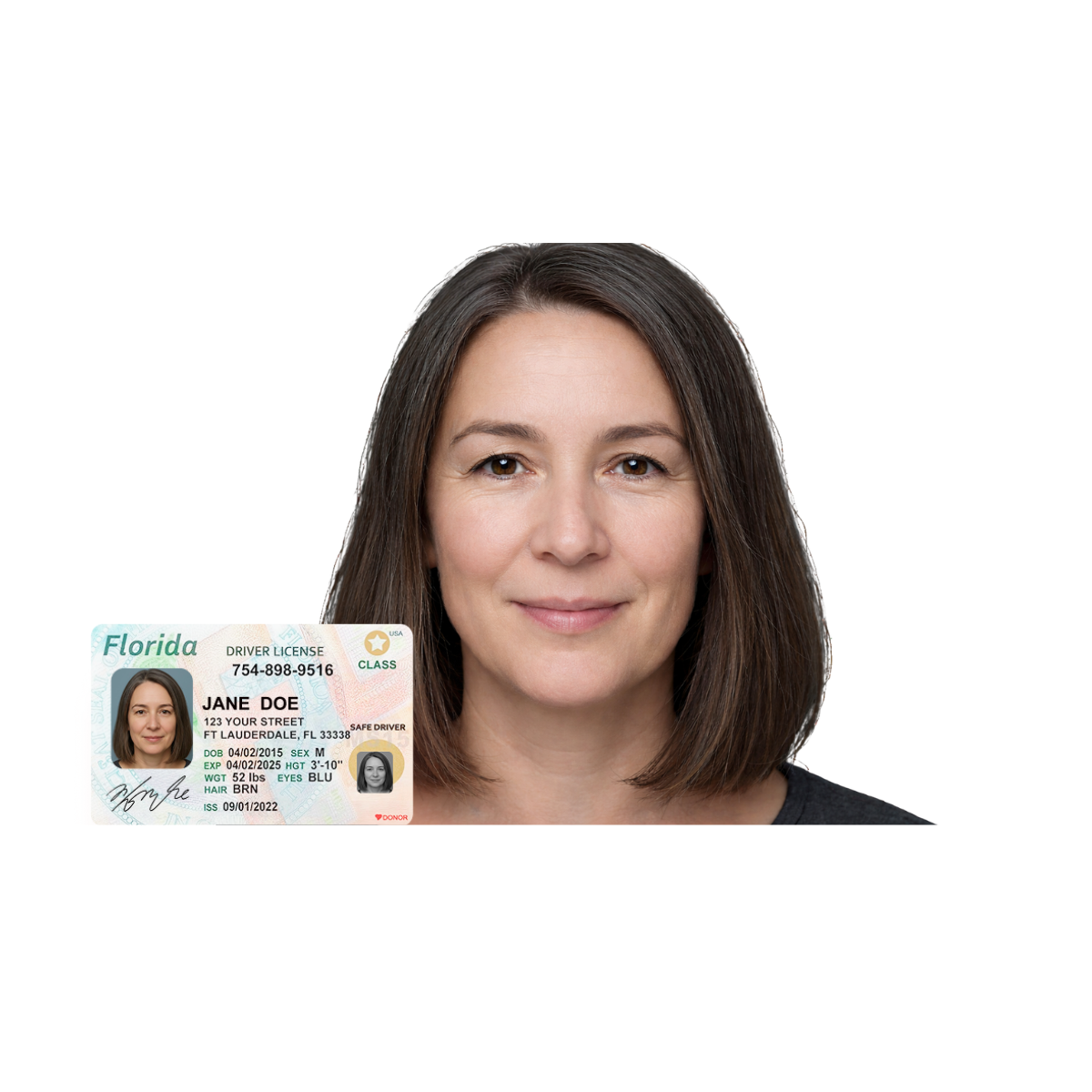
Biennial verification requirements mandate regular age confirmation. HUD rules under HOPA permit 55+ communities to verify resident ages using reliable methods, such as driver’s licenses, birth certificates, or affidavits. Communities must keep records current, especially when new residents move in.
Florida-specific considerations include compliance with Florida Statute §718.303, which states that the declaration, bylaws, and reasonable rules of a condominium association are binding on owners, tenants, and invitees, with violations leading to fines or suspensions.
The compliance workflow follows these numbered steps:
-
Application document collection and initial age verification
-
Board approval based on governing documents
-
Biennial verification surveys or affidavits
-
Exception handling for spouses and dependents
-
Audit trail maintenance for HUD compliance defense
2026 Trends Shaping 55+ Compliance in Florida
Understanding these compliance fundamentals matters because the regulatory environment continues to evolve. HUD scrutiny has intensified following 2024 enforcement actions, with federal auditors focusing on documentation quality and verification consistency. Communities now face stronger pressure to demonstrate reliable age verification procedures beyond basic document collection.
This heightened scrutiny comes at a time when biometric fraud has emerged as a significant concern. Sophisticated fake IDs and identity theft attempts increasingly target age-restricted communities. Traditional document-based verification methods struggle to detect advanced forgeries or synthetic identities, which makes meeting HUD documentation standards more difficult.
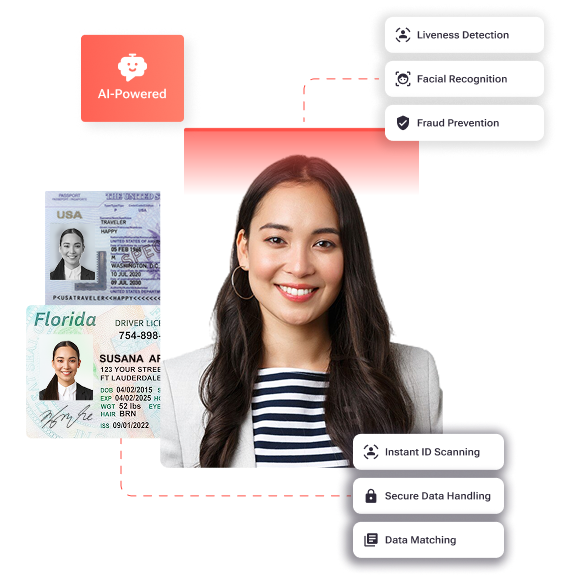
At the same time, the industry has shifted toward digital onboarding platforms that handle high application volumes while maintaining audit-ready documentation. Manual processes that once worked for smaller communities now create liability exposure in today’s regulatory climate.
Across Florida, communities processing more than 100,000 applications annually require scalable solutions. These solutions must reduce administrative burden while strengthening fraud prevention and maintaining clear, defensible records.
Step-by-Step Playbook for 55+ Enforcement
Effective 55+ enforcement requires implementing this five-step verification process.
Step 1: Document Collection at Application
HOPA mandates that communities comply with HUD rules for verification of occupancy through reliable surveys and affidavits, acquiring residents’ ages upon purchase via reliable records such as driver’s licenses, birth certificates, or affidavits, but without requiring any specific documents. Communities should collect documentation during initial application submission to establish baseline age verification.
Step 2: Board Approval Based on Governing Documents
Boards review applications against declarations, bylaws, and 55+ policies before granting approval. Consistent criteria and documented decisions support fair housing compliance and future audits.

Step 3: Biennial Survey Implementation
The Utah Office of the Homeowners’ Association Ombudsman recommends that 55+ communities conduct regular occupancy surveys to confirm the 80% threshold of units with at least one resident aged 55 or older is met, as part of ongoing compliance with HOPA requirements. Florida communities can follow a similar approach by scheduling surveys every two years to keep records current.
Step 4: Spouse, Dependent, Rental, and Guest Handling
Under HOPA, qualifying 55+ communities require at least one resident aged 55 or older in at least 80% of occupied units, allowing additional household members under 55 such as spouses, partners, or adult children 18 or older. Communities should document these exceptions clearly within the 20% allowance and align rental and guest policies with bylaws and HOPA requirements.
Step 5: Consistent Record Maintenance and Audit Trail Documentation
According to the Utah Department of Commerce’s guidelines for 55+ communities, age verification must be performed reliably and consistently, with records kept up to date, especially when new residents move in, to maintain HOPA exemption status. Florida communities benefit from centralized, well-organized records that support HUD reviews and legal defense.
Florida statutes integration requires alignment with state-specific regulations while maintaining federal HOPA compliance. This guidance does not constitute legal advice. Communities should consult qualified attorneys for specific legal interpretations.
Compliance Risks and Common Challenges
Florida communities face significant operational and regulatory challenges when they implement these procedures. FCRA screening requirements intersect with age verification processes and create additional compliance layers for background checks and adverse action procedures. Audit defensibility depends on comprehensive documentation trails that show consistent application of verification steps.
Data security concerns have intensified as communities handle sensitive personal information, including birth certificates, Social Security numbers, and government-issued IDs. Manual handling increases breach risks and potential liability exposure.
Common operational challenges include:
-
Manual PDF and email management creating document loss risks
-
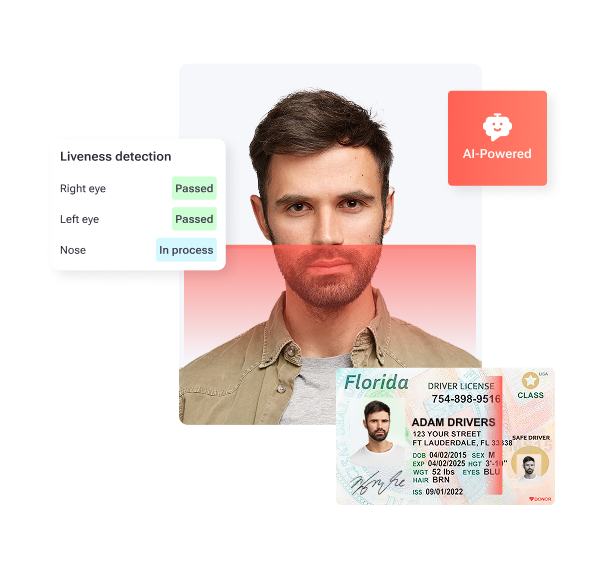
Sophisticated fake ID detection requiring specialized expertise
-
Application processing delays impacting move-in schedules
-
Inconsistent verification standards across different staff members
-
Audit preparation consuming excessive administrative time
The efficiency gap between manual and digital approaches is substantial, as shown by the following comparison.
|
Method |
Time per Application |
Fraud Risk |
Audit Trail Quality |
|---|---|---|---|
|
Manual Processing |
2-4 hours |
High |
Inconsistent |
|
Standardized Digital |
30-45 minutes |
Low |
Comprehensive |
Explore how digital standardization reduces these compliance risks in a live platform demonstration.
Best Practices and Evaluation Framework for 55+ Platforms
Effective 55+ compliance relies on standardized workflows that automate routine verification tasks and keep humans focused on complex cases. Automated review systems can flag potential issues for manual investigation while processing straightforward applications quickly.
Biometric verification capabilities help detect sophisticated fraud attempts that bypass traditional document review. Connected dashboard systems then give boards real-time visibility into application status, occupancy mix, and key compliance metrics.
Evaluation framework criteria for 55+ compliance solutions should include:
-
About 70% reduction in manual processing time
-
Scalability for high-volume application periods
-
Advanced fraud prevention capabilities
-
Revenue generation through application fees
-
Florida-specific customization options
Tools like TenantEvaluation’s 55+ Communities Verification address these criteria by providing comprehensive workflow standardization designed specifically for Florida CAMs and boards.
Top Solution: TenantEvaluation’s 55+ Communities Verification
TenantEvaluation’s 55+ Communities Verification offers a focused solution for Florida age-restricted communities. The platform reduces manual work, standardizes application handling, and supports documentation consistency for CAMs, boards, and HOAs.
The platform improves operational efficiency and strengthens internal processes across 5,000+ communities that process more than 100,000 applications annually. TenantEvaluation has generated $150M for communities and maintains a 4.8/5 Google rating.
Key features include IDVerify for biometric identity verification and QuickApprove for board dashboard management. The platform maintains FCRA compliance as its foundation and offers no upfront fees with revenue-sharing pricing.
The following comparison highlights how TenantEvaluation differs from other options.
|
Feature |
TenantEvaluation |
ApplyCheck/Verify Screening |
AppFolio/RealPage |
|---|---|---|---|
|
Automation Level |
Full end-to-end |
Basic screening only |
Property management focus |
|
Board Tools |
Dedicated dashboard |
Limited access |
Generic reporting |
|
Florida 55+ Focus |
Specialized compliance |
Generic screening |
Broad market approach |
|
Pricing Model |
Pay-per-application |
Subscription fees |
Monthly subscriptions |
FAQ
What are the rules for 55+ communities in Florida?
Florida 55+ communities must comply with both federal HOPA requirements and state regulations. Under HOPA, communities must maintain at least 80% of occupied units with one resident 55 years or older, demonstrate intent to serve older adults through written policies, and implement reliable age verification procedures. Under Florida Statutes Section 760.29(4)(b)3.a, at least 80 percent of the occupied units in housing intended and operated for occupancy by persons 55 years of age or older must be occupied by at least one person 55 years of age or older to qualify as “housing for older persons” exempt from familial status provisions per (4)(a).
Communities must also follow Florida Statute §718.303, which makes association declarations, bylaws, and reasonable rules binding on all residents. Additional requirements include biennial age verification, proper documentation of exceptions for spouses or adult children, and maintenance of audit-ready records for potential HUD reviews.
What is the 80/20 rule in a 55+ community?
The 80/20 rule requires maintaining the threshold described in the Core Definitions section continuously, not just at initial certification. Communities must track occupancy regularly and conduct verification surveys to ensure ongoing compliance. Failure to maintain the 80/20 threshold results in loss of HOPA exemption status and the ability to enforce age restrictions.
What is the biennial verification process?
Biennial verification requires 55+ communities to confirm resident ages every two years using reliable methods approved by HUD. Communities must maintain up-to-date records, especially when new residents move in, and apply verification procedures consistently across all units. The verification process must be documented properly to create audit trails for potential HUD reviews. Records should include dates of verification, methods used, and any follow-up actions taken for non-responsive residents.
What are the downsides and loopholes of 55+ compliance?
The primary downside of 55+ compliance is the risk of losing HOPA exemption status if any of the three core requirements are not maintained. These requirements include the 80/20 occupancy rule, written policies demonstrating intent to serve older adults, and reliable age verification procedures. Loss of exemption means communities cannot enforce age restrictions and become subject to Fair Housing Act familial status protections.
There are no legitimate loopholes in HOPA compliance, so communities must meet all requirements continuously. Administrative burdens include ongoing verification processes, documentation maintenance, potential HUD audits, and liability exposure for non-compliance. Communities also face challenges with rental units when landlords do not cooperate with age verification requirements and with enforcement when residents refuse to provide verification documentation.
Key Takeaways and Next Steps
Florida CAMs and boards can master 55+ condo compliance by understanding HOPA requirements, applying the 80/20 rule correctly, and maintaining biennial verification procedures. Standardization through digital platforms reduces administrative burden and strengthens audit defensibility.
Evaluate TenantEvaluation’s 55+ Communities Verification first for about 70% efficiency gains in your compliance processes. The platform’s specialized focus on Florida age-restricted communities delivers the workflow standardization and documentation consistency needed for modern compliance requirements.
Request a tailored demo of TenantEvaluation to see how the platform can streamline your 55+ condo compliance requirements and reduce manual administrative work.
