Written by: Luis Teran, Co-founder, CEO, TenantEvaluation
Key Takeaways
- Florida 55+ condo audits combine HOPA occupancy rules with Chapter 718 financial reviews, including reserve studies and SIRS requirements.
- The seven-step audit process covers auditor engagement, biennial surveys, data verification, financial review, and Board corrective actions.
- Targeted checklists guide pre-audit work, including strong survey response rates and early detection of documentation gaps or weak reserves.
- Florida-specific rules require SIRS funding, digital record access, and age verification backed by legal certification from residents.
- Communities can streamline audits and strengthen compliance with TenantEvaluation’s 55+ verification platform, which replaces manual tracking with standardized workflows.
7 Steps in the 55+ Condo Audit Process
The 55+ condo audit steps connect occupancy verification with financial examination to create a single, comprehensive compliance review. Each step requires specific documentation and close coordination between CAMs, auditors, and Board members.
1. Notice and Auditor Engagement
Boards select qualified auditors who understand both HOPA compliance and Florida condominium law. The engagement letter specifies a scope that includes occupancy verification surveys, financial statement examination, and reserve study compliance. Section 718.111(12)(g), Fla. Stat., requires condominium associations managing 25 or more units without timeshares to post digital copies on their website or mobile application of official records including the financial report required by s. 718.111(13), the annual budget required by s. 718.112(2)(f), and the most recent structural integrity reserve study if applicable.
2. 55+ Survey Preparation and Distribution
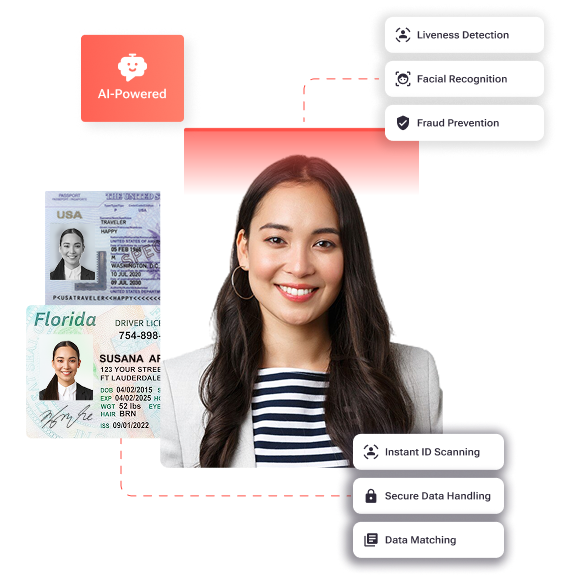
CAMs prepare biennial occupancy surveys using HUD-approved methods that align with HOPA standards. Acceptable documentation for HOPA age verification surveys includes but is not limited to Driver’s License, State Identification Card, Passport, Birth Certificate, Military ID, or other official government document. Standardized digital onboarding systems raise response rates and keep documentation consistent compared to manual email-based surveys.
3. Occupancy Data Collection and Verification
Auditors confirm that at least 80% of occupied units must have at least one resident aged 55 or older, vacant units are not counted, only one resident per unit needs to be 55 or older while other residents may be younger, up to 20% of occupied units may have all residents under 55, and communities must track and document occupancy to confirm the threshold is met. Response rate tracking and structured follow-up procedures serve as critical audit evidence.
4. Financial Fieldwork and Reserve Analysis
While occupancy verification confirms your community’s 55+ status, auditors also review the financial foundation that supports that community. They examine financial records, reserve accounts, and structural integrity reserve studies as part of the same audit cycle. Chapter 718, Florida Statutes requires condominium associations to include reserves in their proposed annual budgets for capital expenditures and deferred maintenance including roofing, painting, paving, and any other item for which the deferred maintenance expense or replacement cost exceeds $10,000.
5. Document Review and Audit Trail Examination
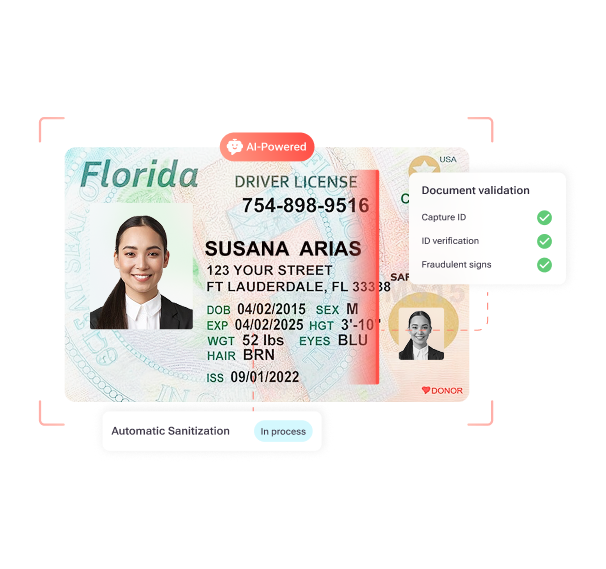
Auditors conduct a detailed review of resident onboarding documentation, lease files, and age verification records. They evaluate how defensible the documentation system is and whether it satisfies recordkeeping requirements. Digital platforms with built-in audit trails shorten preparation time and support stronger audit outcomes.
6. Findings Report and Opinion
Auditors issue reports that address both financial position and HOPA compliance status. Clean opinions confirm adequate reserves and proper occupancy verification. Qualified opinions highlight deficiencies that require prompt Board attention and follow-up.
7. Board Response and Corrective Actions
Boards respond to audit findings through reserve adjustments, policy updates, or enhanced verification procedures. How thoroughly they implement these corrective actions determines whether the next audit repeats the same deficiencies or confirms sustained compliance, which makes post-audit follow-through the key factor in long-term community protection.
Florida 55+ Condo Audit Checklist & Red Flags
Now that the seven-step audit process is clear, CAMs and Boards can focus on preparation for each stage. Effective audit preparation relies on systematic documentation and early identification of potential issues before the auditor arrives.
Pre-Audit Checklist
The pre-audit checklist highlights a 60 to 90 day preparation window, with occupancy surveys needing the longest lead time for strong response rates.
| Category | Required Items | Timeline |
|---|---|---|
| Occupancy Surveys | Distribute age verification forms, achieve 80%+ response rate | 60 days before audit |
| Financial Records | Update reserve studies, compile SIRS documentation | 30 days before audit |
| Documentation | Organize resident files, lease agreements, age verification records | 45 days before audit |
| Policies | Review 55+ policies, update as needed | 90 days before audit |
Common Audit Red Flags
The four most frequent audit failures share a common root cause: manual processes that cannot stay consistent across hundreds of resident files.
| Issue | Impact | Prevention Strategy |
|---|---|---|
| Survey response rate below 80% | HOPA compliance risk | Standardized digital verification systems |
| Inconsistent age documentation | Audit qualification | Uniform onboarding procedures |
| Missing resident files | Compliance gaps | Centralized document management |
| Inadequate reserve funding | Financial penalties | Regular SIRS updates and funding |
Manual documentation systems frequently generate these red flags due to inconsistent processes and incomplete record retention. TenantEvaluation’s standardized verification platform directly addresses each of these failure points, so schedule a demo today to see how automated workflows eliminate the inconsistencies that trigger audit qualifications.
Florida-Specific Requirements & Compliance
Florida’s regulatory environment for 55+ condominiums combines federal HOPA requirements with state-specific financial mandates, which creates a dual compliance burden. Post-2021 Surfside collapse amendments to Chapter 718, Florida Statutes, mandate structural integrity reserve studies (SIRS) at least every 10 years for condominiums with three or more habitable stories, require full funding of key structural and safety reserves based on SIRS recommendations, and prohibit waivers or reductions of reserves required for structural items identified in the structural integrity reserve study. Auditors now review both structural funding and age-restricted occupancy within the same overall compliance framework.
This dual mandate raises documentation standards beyond basic compliance checklists. The penalty of perjury certification mentioned in Step 2 elevates Florida’s documentation expectations beyond simple record collection and creates legal liability that demands robust verification systems capable of withstanding regulatory scrutiny.
Recordkeeping requirements also extend beyond basic file retention. 55+ communities must maintain the 80% occupancy threshold discussed earlier through regular surveys and current age verification records for all occupied units. They must also maintain defensible audit trails that show consistent application of verification procedures across every resident.
Enhanced enforcement trends in 2026 reflect increased regulatory focus on both financial stability and occupancy compliance. As a result, CAMs and Boards must prepare for more detailed examinations of their verification processes and documentation systems than previous audit cycles required.
Common Challenges, Best Practices & TenantEvaluation Solution
Manual 55+ verification processes create operational challenges for Florida CAMs and Boards. Common issues include inconsistent survey distribution, low response rates, fragmented documentation across emails and PDFs, and time-intensive follow-up procedures that strain administrative resources.
Best practices for audit preparation start with standardized verification workflows that feed into centralized documentation systems. These systems support clear response tracking procedures, which then enable audit-ready filing structures that auditors can navigate quickly. Digital platforms strengthen each of these layers by automating routine tasks and enforcing consistent documentation standards.
Why TenantEvaluation Excels for Florida 55+ Communities
TenantEvaluation’s 55+ Communities Verification focuses on the specific challenges facing Florida condos and HOAs that manage age-restricted properties. Built for Community Association Managers, the platform reduces manual work, standardizes application handling, and supports documentation consistency across 5,000+ communities processing 100,000+ applications annually.
The platform improves operational efficiency by replacing fragmented manual processes with structured workflows tailored to Florida condos and HOAs. Unlike generic screening tools, TenantEvaluation strengthens internal processes through audit-ready documentation that supports compliance activities while leaving legal guidance to association counsel.
| Evaluation Criteria | TenantEvaluation | Manual Processes |
|---|---|---|
| Documentation Consistency | Standardized digital records | Fragmented emails and PDFs |
| Audit Readiness | Built-in compliance trails | Manual compilation required |
| Response Tracking | Automated follow-up systems | Manual email management |
| CAM Efficiency | 70% time reduction | High administrative burden |
With partnerships including FirstService Residential and a 4.8/5 Google rating, TenantEvaluation has generated $150M+ for communities while maintaining FCRA compliance as the foundation. Schedule a demo today to see how 55+ Communities Verification transforms your audit preparation process.
Frequently Asked Questions
How often are 55+ condos audited?
HOPA compliance requires biennial occupancy surveys to verify the 80% threshold, while financial audits follow Florida Statute 718 requirements. Many communities choose annual financial audits with integrated occupancy verification to maintain continuous compliance and stay ready for regulatory examinations.
What is a 55+ audit checklist?
A comprehensive 55+ audit checklist covers occupancy survey distribution and response tracking, age verification documentation review, financial record examination including reserves and SIRS compliance, policy review and updates, and audit trail documentation. This structure helps communities meet both HOPA compliance and Florida statutory requirements in a consistent way.
What are common red flags in 55+ audits?
Frequent red flags include survey response rates below 80%, inconsistent age documentation across residents, missing or incomplete resident files, inadequate reserve funding relative to SIRS requirements, and gaps in verification procedures. These issues usually stem from manual processes that lack standardization and reliable documentation practices.
What are Florida 55+ requirements?
Florida 55+ requirements combine federal HOPA standards with state-specific mandates under Chapter 718. Communities must maintain the 80% 55+ occupancy threshold, conduct biennial verification surveys, maintain adequate reserves that align with SIRS requirements, and provide digital access to financial reports and budgets for associations with 25 or more units.
How can communities prepare for stricter 55+ audit enforcement?
Preparation focuses on standardized verification workflows, centralized digital documentation, clear audit trails for all resident onboarding, and consistent application of age verification procedures. Digital platforms designed for Florida associations improve audit readiness, reduce preparation time, and strengthen the documentation that supports every compliance decision.
Conclusion: Audit-Proof Your 55+ Community
The seven-step 55+ condo audit process relies on systematic preparation, complete documentation, and consistent verification procedures to protect your community’s status and financial stability. By adopting standardized workflows and maintaining audit-ready documentation systems, CAMs and Boards can reduce audit preparation time while improving compliance results.
TenantEvaluation’s specialized verification platform helps Florida associations streamline the 55+ condo audit process. Schedule a demo today to see how 55+ Communities Verification reduces manual work, standardizes application handling, and creates the audit-ready documentation your community needs for confident compliance.
