Written by: Luis Teran, Co-founder, CEO, TenantEvaluation
Key Takeaways for Florida 55+ Community Approvals
- Florida’s annual snowbird influx creates overwhelming application volume for 55+ communities, which leads to email chaos and manual review delays during peak season.
- Standardized digital workflows with age verification and real-time tracking can reduce approval times by up to 70% while maintaining FCRA compliance and board oversight.
- Clear documentation procedures using government-issued IDs and consistent verification standards help communities avoid audit issues and maintain HOPA 80/20 compliance during high-volume periods.
- Automation removes bottlenecks by replacing manual follow-ups, email chains, and spreadsheets with connected workflows that provide visibility to applicants, realtors, and boards.
- TenantEvaluation’s specialized platform streamlines 55+ condo approvals with QuickApprove and 55+ Communities Verification. Get started today to accelerate your approval process.
HOPA 80/20 Rule for Florida 55+ Communities
The 80/20 rule under the Housing for Older Persons Act (HOPA) requires that at least 80% of occupied units in a 55+ community have at least one resident who is 55 years of age or older. Under 24 CFR § 100.307, communities must develop procedures for routinely determining unit occupancy and update this information through surveys or other means at least once every two years.
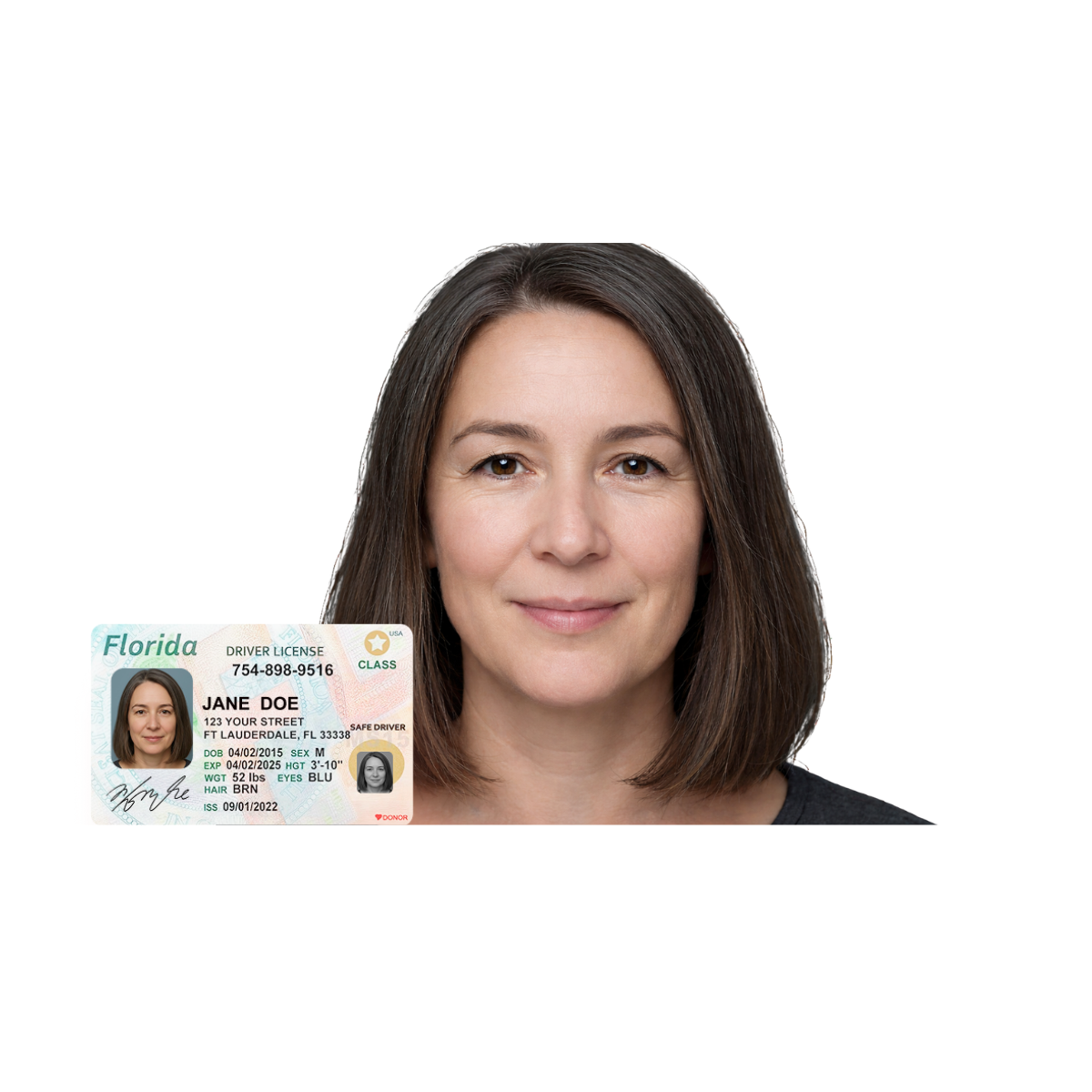
Standardized age-verification workflows keep documentation consistent and prevent audit issues during high-volume periods. Reliable documentation includes driver’s licenses, birth certificates, passports, immigration cards, military identification, or other official government documents containing birth dates. Communities that set clear verification processes before peak season maintain compliance while still processing applications efficiently.
Sales Pressure in Florida 55+ Communities
Lengthy manual approvals frustrate sellers and realtors, which creates bottlenecks that delay closings from an association operations perspective. The Villages metro leads all U.S. metros at 68.2% of households headed by someone age 65 or older. This concentration keeps application volume high for 55+ communities during every peak season.
Streamlined intake and real-time tracking accelerate closings by removing email chains and providing clear status visibility to all parties. When associations implement standardized workflows with automated communication, sellers receive faster approvals and realtors can provide accurate timelines to their clients. See how automated workflows eliminate these delays in a personalized demo.
7-Step Peak-Season Approval Checklist for 55+ Communities
This seven-step checklist creates a logical, repeatable process that reduces delays and keeps your 55+ community compliant during peak season. Each step builds on the previous one so applications move smoothly from submission to decision.
1. Establish Digital Application Intake: Replace paper applications with online forms that automatically validate required fields and documents before submission. This front-end validation ensures only complete applications enter your workflow.
2. Implement Age Verification Standards: After applications are captured digitally, create consistent procedures for documenting 55+ requirements using government-issued identification and standardized forms. Standardized verification prevents inconsistencies that create audit exposure.
3. Set Up Real-Time Application Tracking: With intake and verification standardized, provide visibility to applicants, realtors, and internal teams on application status and next steps. This transparency reduces manual status calls that overwhelm CAMs during peak season.
4. Create Board Review Workflows: Once tracking is in place, establish clear timelines and voting procedures for board decisions with dedicated review dashboards. Structured workflows help board members focus on decisions instead of searching for information.
5. Automate Communication Touchpoints: After board workflows are defined, send status updates, document requests, and approval notifications automatically to reduce manual follow-ups. Automated communication keeps everyone aligned without extra CAM effort.
6. Generate Standardized Approval Letters: With decisions recorded, use templates that include community-specific requirements, move-in procedures, and welcome information. Consistent letters reduce confusion for new residents and cut repeat questions.
7. Maintain Compliance Documentation: At the end of the process, ensure all records meet FCRA requirements and are stored securely for audit purposes. Centralized, compliant records protect the association long after move-in.
Four Stages of a Streamlined Approval Workflow
A clear approval workflow breaks into four high-level stages: application intake, identity verification, board review, and final decision. During application intake, automated systems can reject incomplete submissions and request missing documents immediately. Identity verification then confirms applicant authenticity and age requirements through standardized documentation review.
Board review becomes more efficient when applications arrive complete with summarized reports and voting dashboards. Final decision stages include approval letter generation, move-in coordination, and record retention. Bottlenecks usually appear when applications move between stages manually, which requires email coordination and spreadsheet tracking. Automation removes these delays by creating connected workflows where each stage triggers the next automatically.
Documentation and Compliance Standards for Florida 55+ Communities
Age-verification documents must satisfy federal standards while also supporting Florida-specific community requirements. Communities must be able to produce verification of compliance through reliable surveys and affidavits when responding to Fair Housing Act complaints. Lease tracking supports rental cap compliance, and FCRA-compliant recordkeeping protects communities from liability exposure.
Documentation consistency becomes critical during peak seasons when application volume increases. Standardized checklists help CAMs verify that each application includes required age verification, financial documentation, and community-specific forms. Digital platforms can automatically redact sensitive information while still maintaining audit trails for compliance purposes.
Winter Influx Challenges for CAMs and Boards
Incomplete submissions create the most significant delays during peak season and require multiple follow-ups with applicants and realtors. Manual review processes become overwhelmed when CAMs must verify dozens of applications at the same time. Board bottlenecks appear when applications wait for scheduled meetings or when board members lack clear information for decision-making.
Imposter scams often top the list of consumer fraud reports filed with the FTC, which makes fraud prevention increasingly important during high-volume periods. Effective solutions include standardized checklists that automatically validate required documents, real-time visibility dashboards that show application status, and biometric identity verification that confirms applicant authenticity before approval decisions.
Best Practices for Faster, Compliant Approvals
Governance clarity accelerates approvals by defining who can decide which application types. Florida condominium and homeowners association boards may only exercise authority through formal collective action at properly noticed meetings, but administrative approvals can often be delegated to management with board oversight.
Workflow clarity removes confusion about next steps and responsible parties. Documentation consistency ensures all applications receive the same review standards. Stakeholder communication keeps applicants, realtors, and board members informed throughout the process. Before automation, CAMs spend hours daily on manual follow-ups and document review. After communities implement connected workflows, the same volume processes with minimal manual intervention and clear audit trails.
The following table quantifies these efficiency gains across four critical process elements.
| Process Element | Manual Approach | Automated Approach | Time Savings |
|---|---|---|---|
| Application Review | 5-10 days with email coordination | 5-10 minutes with automated validation | Up to 70% reduction |
| Document Verification | Manual review prone to errors | Automated validation with audit trails | Consistent accuracy |
| Board Communication | Email chains and spreadsheets | Real-time dashboards and voting panels | Immediate visibility |
| Status Updates | Manual follow-ups required | Automated notifications to all parties | Eliminates manual work |
How TenantEvaluation’s QuickApprove Speeds Decisions
QuickApprove provides real-time tracking, automated communication, customized approval letters, personalized welcome packages, and board-ready voting dashboards inside one connected platform. CAMs reduce manual follow-ups while boards access summarized applicant reports and streamlined voting workflows. Applications move from submission to decision faster without losing control, compliance, or visibility.

The platform handles high-volume seasons and complex onboarding requirements by replacing email chains and spreadsheets with connected workflows. Board members receive clear application summaries and can vote directly within the system. Applicants and realtors get real-time status updates, which reduces inquiry calls to management offices. Request a QuickApprove walkthrough to see these connected workflows in action.
55+ Communities Verification for Age-Restricted Rules
55+ Communities Verification reduces manual work by standardizing how age-restricted requirements are handled across applications. This built-in capability improves documentation consistency and strengthens operational efficiency for Florida condos and HOAs. Unlike generic tools, this solution aligns with the real workflows of Florida associations that manage 55+ requirements.
The system creates structured records for internal operational control while also supporting compliance-related processes. CAMs spend less time on repetitive manual handling of eligibility requirements, and boards receive consistent documentation across all applicants. This workflow standardization platform provides a control layer for high-risk application scenarios during peak seasons.
IDVerify for Biometric Identity Confirmation
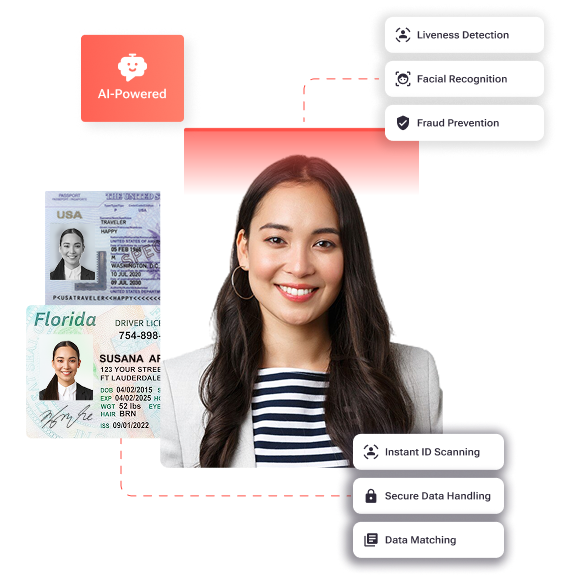
IDVerify provides fraud prevention during high-volume seasons through government-issued ID validation, AI-powered liveness detection, and biometric facial matching. This multi-layer verification system confirms applicants are real, present, and matched to their identification before approval decisions are made. Communities move from document-based validation to biometric-confirmed identity verification, which reduces fraud exposure during peak application periods.
2026 Peak 65 Wave Statistics and TenantEvaluation Results
Florida’s population age 65 and older stood at 21.8% in 2024, with its senior population projected to grow in coming years. Older adults represent a growing segment of new Floridians.
Concentrated metros like The Villages, mentioned earlier for its 68.2% senior household concentration, show the sustained application pressure facing Florida’s 55+ communities. TenantEvaluation serves 5,000+ communities, processes approximately 100,000 applications annually, delivers significant time savings, and has generated $150 million for communities through streamlined, compliant workflows.
Conclusion: Scaling 55+ Approvals with Confidence
A clear, compliant, and well-documented approval process protects 55+ communities while also accelerating revenue during Florida’s peak season. Manual workflows create bottlenecks that frustrate sellers, delay closings, and overwhelm CAMs and boards. TenantEvaluation’s specialized platform turns fragmented processes into connected workflows that maintain control, compliance, and visibility while sharply reducing approval times.
Florida’s growing senior population and concentrated retirement markets require scalable solutions that handle high-volume applications without sacrificing quality or compliance. Communities that adopt standardized, automated workflows position themselves for sustained success during peak seasons and beyond. Book a consultation to discover how TenantEvaluation handles your specific 55+ approval requirements.
Frequently Asked Questions
What documentation satisfies 55+ age verification under federal and Florida rules?
Federal regulations accept driver’s licenses, birth certificates, passports, immigration cards, military identification, or any official government document containing a birth date. Communities can also accept certifications signed by household members age 18 or older asserting that at least one person in the unit is 55 or older. Florida associations should establish consistent procedures for collecting and verifying this documentation across all applications to maintain compliance during audits and fair housing investigations.
How long should associations retain application records for FCRA compliance?
FCRA compliance requires maintaining complete application records, including background check reports, adverse action notices, and age verification documents, for the duration specified in your governing documents plus any applicable statute of limitations. Most associations retain records for seven years to cover potential disputes or audits. Digital platforms provide secure storage with automatic redaction of sensitive information while maintaining audit trails for compliance purposes.
Who is responsible for monitoring rental caps during peak season?
Community Association Managers typically monitor rental caps as part of their administrative duties, and boards retain ultimate oversight responsibility. During peak seasons, automated tracking systems help CAMs maintain accurate counts of rental units and notify boards when caps approach limits. Clear policies should establish whether rental applications are processed first-come-first-served or through other criteria when demand exceeds available rental slots.
Can boards approve applications outside formal meetings?
Florida law requires board decisions through formal collective action at properly noticed meetings, and associations can still delegate certain administrative approvals to management with appropriate board oversight. Many communities establish approval criteria that allow CAMs to process applications that meet specific standards, with board review reserved for exceptions or policy decisions. Clear delegation policies and regular board reporting support compliance while maintaining efficient processing during high-volume periods.
How do communities handle incomplete applications during peak season?
Automated systems immediately identify missing documents and notify applicants of specific requirements, which prevents incomplete applications from entering the review queue. This front-end validation removes the manual follow-up cycle that creates delays during busy periods. Communities should set clear deadlines for completing applications and communicate these timelines to applicants and realtors upfront to maintain processing efficiency throughout peak season.
