Written by: Luis Teran, Co-founder, CEO, TenantEvaluation | Last updated: September 7, 2026
Key Takeaways
- HOPA compliance for Florida 55+ communities requires meeting the 80/20 occupancy rule, publishing intent to operate as senior housing, and maintaining reliable age verification records updated every two years.
- The 80/20 rule applies to occupied units only. At least 80% of occupied homes must have one resident aged 55 or older, and the remaining 20% serves as a cushion for special circumstances.
- Communities must demonstrate intent through consistent policies, marketing materials, signage, governing documents, and enforcement practices that clearly establish the community as 55+ housing.
- Age verification requires collecting reliable documentation from all residents, maintaining records with verification dates and document types, and conducting biennial surveys to confirm ongoing compliance.
- Florida CAMs and boards can streamline HOPA compliance workflows and reduce audit risk by using TenantEvaluation’s specialized verification platform at TenantEvaluation.
The Three Core Pillars Of HOPA Compliance
HOPA, codified at 42 USC 3607(b) and implemented by HUD regulations at 24 CFR Part 100, creates an exemption from the Fair Housing Act’s familial status protections for qualifying senior communities. For 55+ communities, three conditions must be met at the same time.
- The 80/20 Occupancy Rule: At least 80% of occupied units must have one resident aged 55 or older.
- Published Intent: The community must publish and follow policies that show it operates as 55+ housing.
- Age Verification And Recordkeeping: The community must verify resident ages through reliable procedures and keep records updated at least every two years.
These three pillars translate into five daily tasks: policy documentation, resident verification, survey administration, record retention, and consistent enforcement. The checklist below walks through each area in practical detail. For a deeper look at how to streamline these workflows, learn how TenantEvaluation’s 55+ Communities Verification supports Florida associations.
The 55+ Condo Age Compliance Checklist
Pillar 1: Apply The 80/20 Occupancy Rule Correctly
The 80/20 rule forms the base of HOPA compliance and often causes confusion. Under 24 CFR § 100.305, the calculation applies to occupied units, not total units or individual residents. The rule measures homes with a qualifying-age occupant, not a percentage of younger residents.
How To Calculate Compliance:
- Count all occupied units in your community.
- Determine how many units have at least one resident aged 55 or older.
- Divide the qualifying units by total occupied units.
- Confirm the result is 80% or higher.
Example: A 100-unit building with 90 occupied units must have at least 72 units occupied by someone 55 or older. Unoccupied units do not count against the community, and a temporarily vacant unit can still count if the primary occupant lived there within the past year and intends to return.
Key Operational Steps:
- Maintain a current occupancy log for every unit.
- Track which units have a qualifying 55+ resident.
- Monitor your compliance margin monthly and avoid waiting for the biennial survey.
- Use the remaining 20% as a compliance cushion for situations like younger surviving spouses or caregivers.
Pillar 2: Show Clear Intent To Operate As 55+ Housing
Under 24 CFR § 100.306, your community must demonstrate through written policies and actual practice that it operates as housing for persons 55 or older. HUD reviews how you describe the community, your advertising, lease provisions, written rules, and public postings in common areas.
Checklist For Published Intent:
- Include a HOPA statement in your governing documents, such as bylaws, declarations, or rules.
- Display age-restriction notices in common areas and at community entrances.
- State the 55+ requirement clearly on marketing materials, websites, and signage.
- Include age requirements in lease agreements and purchase applications.
- Train staff and board members on consistent enforcement to reduce discrimination risk.
Terms like “adult living” or “active adult” alone do not satisfy HUD. HUD looks for policies and practices that consistently show intent to operate as 55+ housing.
Schedule A Demo Today to see how TenantEvaluation helps Florida CAMs standardize documentation and enforce consistent workflows across every application.
Pillar 3: Verify The Age Of Every Resident
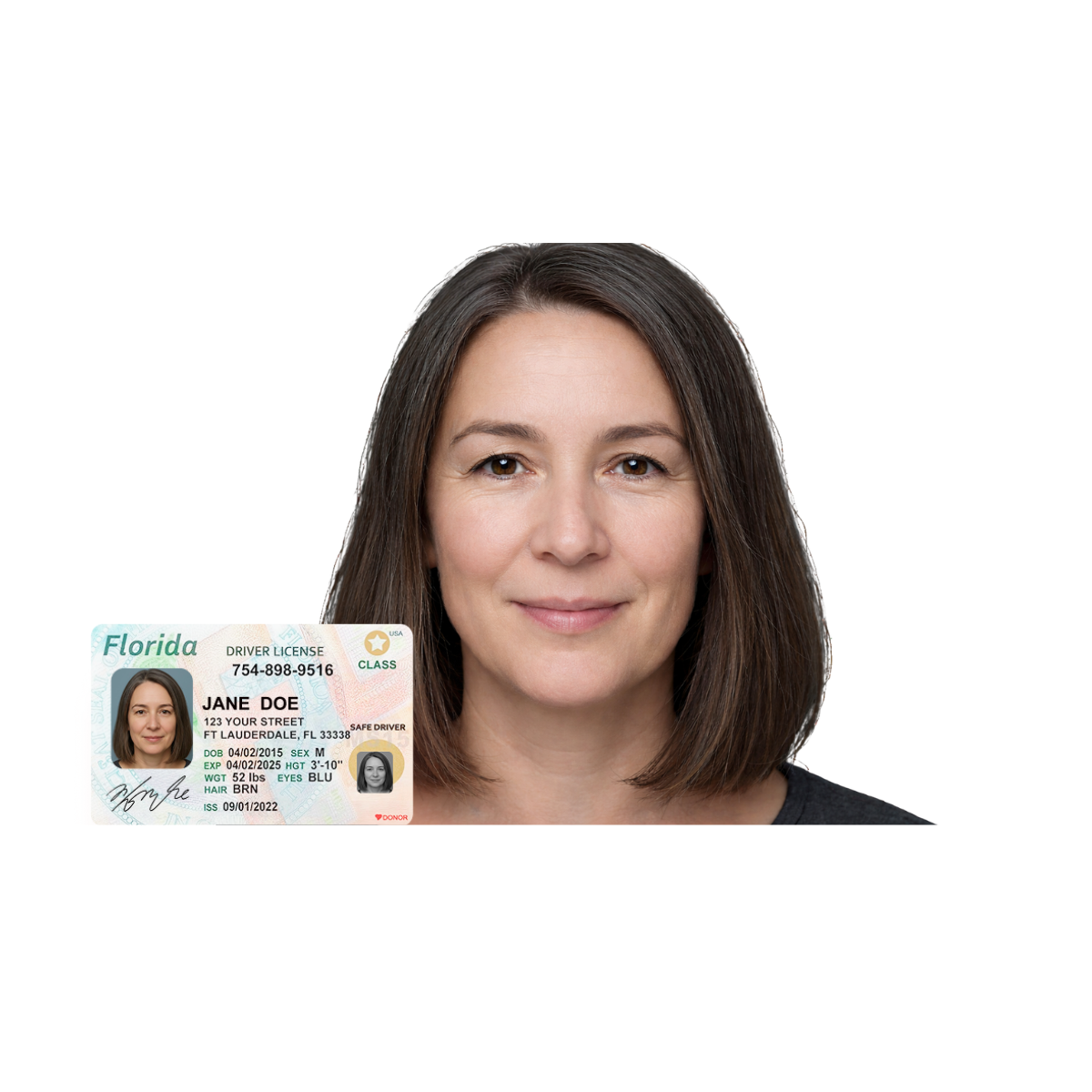
Under 24 CFR § 100.307, your community must use reliable procedures to verify that residents meet the age requirement. HUD accepts driver’s licenses, birth certificates, passports, immigration cards, military identification, and signed certifications from a household member aged 18 or older, with penalties for false statements.
Operational Steps For Age Verification:
- Collect age verification documents from all new applicants before move-in.
- Keep a copy of the verification document in the resident’s file.
- Record the date of verification and the type of documentation reviewed.
- Update verification for existing residents during the biennial survey.
- Handle exceptions such as adult children, caregivers, and temporary guests with documentation and board approval.
Standardize your age verification forms and processes across all applicants to avoid audit gaps. TenantEvaluation’s 55+ Communities Verification helps Florida condos and HOAs reduce manual work, improve documentation consistency, and strengthen operational efficiency across every application.
Pillar 4: Run Biennial Surveys On A Fixed Schedule
HUD requires 55+ communities to re-survey residents at least every two years to confirm continued compliance with the 80% threshold. Missing surveys on time can result in loss of HOPA protection.
Step-By-Step Survey Process:
- Prepare Your Survey Form: Include resident name, unit number, date of birth, and a request for verification documentation.
- Distribute The Survey: Send to all residents with a clear deadline, usually 30 days.
- Follow Up With Non-Respondents: Send reminders by email, mail, and door notices.
- Collect And Review Documentation: Confirm that each unit has at least one qualifying resident.
- Document Results: Record the survey date, response rate, and compliance percentage.
- Address Non-Compliance: Decide whether a non-qualifying unit fits within the 20% cushion or requires action.
Set calendar reminders for your biennial survey and start the process at least 60 days before your deadline. Digital tools can automate distribution, follow-up, and documentation.
Pillar 5: Keep Audit-Ready Records For Every Unit
HUD requires communities to produce verification of compliance in response to a fair housing complaint. Age verification records must allow the community to show compliance to HUD on request, including the date of verification, the type of documentation reviewed, and the survey methodology.
Records To Maintain:
- Age verification forms for every resident
- Biennial survey results and methodology
- Occupancy logs showing the 80/20 calculation
- Copies of governing documents with HOPA statements
- Marketing materials and signage demonstrating intent
- Enforcement records showing consistent application of age rules
Many legal professionals recommend keeping records for at least three years, and longer retention offers added protection. A digital, searchable record system reduces the risk of lost or incomplete paper files and keeps records accessible when HUD requests them.
Common HOPA Compliance Pitfalls To Watch
Even organized communities can slip on HOPA details. The following pitfalls appear often in HUD enforcement actions and industry guidance.
- Inconsistent Enforcement: Allowing under-55 residents without proper documentation or applying age rules differently to different residents increases discrimination risk.
- Incomplete Verification Forms: Missing documentation or missing verification dates weakens your audit trail.
- Missed Survey Deadlines: Associations that fail to maintain records or the 80% occupancy can lose the ability to enforce the age restriction.
- Misreading The 80/20 Rule: Counting total units instead of occupied units or assuming 20% of residents can be under 55 creates compliance errors.
- Weak Advertising Practices: Branding a community as “adults only” without meeting HOPA 55+ requirements violates the Fair Housing Act.
- Poor Exception Handling: Allowing adult children or caregivers to move in without documentation and board approval.
Use a compliance calendar with automated reminders, standardized forms for every applicant, and regular internal audits of your documentation. A structured process protects your community’s age-restricted designation.
Schedule A Demo Today and see how TenantEvaluation’s platform helps Florida CAMs and boards build a more structured, consistent compliance process.
Florida Rules That Affect 55+ Communities
HOPA sets the federal framework, and Florida adds its own rules. Chapters 718 and 720 of the Florida Statutes govern condominiums and HOAs, giving associations authority to screen applicants, charge approval fees within statutory limits, and disapprove transfers under specific conditions.
The Florida Legislature removed the state registration requirement for 55+ communities in 2020, so communities no longer register with the Florida Commission on Human Relations. The core HOPA occupancy and policy requirements still apply.
A Florida 55+ community may set stricter requirements than the federal HOPA floor, such as requiring all residents to be 55 or older. It cannot set a lower threshold and keep its age-restricted status. Florida’s fair housing laws under Chapter 760 of the Florida Statutes may add requirements beyond federal law. Legal counsel can address community-specific questions, and a structured compliance process helps reduce risk.
The Utah Department of Commerce’s guidance on 55+ condo requirements offers a useful reference for how state-level implementation of HOPA can work, including documentation and verification workflows that support compliance across jurisdictions.
Frequently Asked Questions
What Is The 80/20 Rule In A 55+ Community?
The 80/20 rule requires that at least 80% of occupied units in a 55+ community have one resident aged 55 or older. The calculation uses occupied units, not total units or individual residents. A unit with one qualifying occupant counts toward the 80%, regardless of how many other residents live there. The remaining 20% provides a cushion for situations like younger surviving spouses, caregivers, or heirs and does not create a guaranteed right for any buyer or renter.
How Strict Are 55+ Communities?
55+ communities must meet all three HOPA requirements at the same time: the 80/20 occupancy rule, published intent to operate as 55+ housing, and reliable age verification procedures updated at least every two years. Communities may adopt stricter rules than the federal floor, such as requiring all residents to be 55 or older. They cannot be less restrictive and still maintain HOPA protection. Inconsistent enforcement of any pillar exposes the community to fair housing complaints and possible loss of its age-restricted designation.
Can My Adult Child Live With Me In A 55+ Community?
Adult children may live with a qualifying resident if they meet the community’s minimum age requirement, which appears in the governing documents and varies by community. Some communities set minimum ages for secondary occupants at 18, 19, 40, or higher. If an adult child does not meet the minimum age, they may qualify as a live-in caregiver under a reasonable accommodation, subject to documentation and board approval. The community’s HOPA compliance margin also affects whether exceptions can be granted without risking the 80% threshold.
What Documents Prove Age For 55+ Communities?
HUD accepts driver’s licenses, passports, birth certificates, immigration cards, military identification, and signed certifications with penalties for false statements as reliable age verification documents. Communities should keep copies of verification documents in resident files, along with the verification date and the type of document reviewed. For residents who cannot provide standard documentation, a sworn affidavit may serve as an alternative. Records must be updated at least every two years through the biennial survey process.
What Happens If A Community Falls Below 80% Occupancy?
If a community falls below 80% occupancy with qualifying residents, it becomes out of compliance and faces exposure to fair housing complaints based on familial status. HUD does not automatically revoke the HOPA exemption at the exact moment the threshold is crossed, but the community loses its protection from that point forward. Board members who knowingly allow HOPA compliance to lapse may face personal liability for fair housing violations, and HUD and the Department of Justice can investigate complaints and impose civil penalties. Monthly monitoring of your compliance ratio gives the board the best chance to correct shortfalls before they become enforcement issues.
Build Your Compliance Foundation Today
Maintaining 55+ age-restricted status requires ongoing diligence across five areas: applying the 80/20 rule correctly, publishing and enforcing intent, verifying resident ages, conducting biennial surveys, and keeping audit-ready records. This checklist gives you a starting point to audit your current practices and close gaps before HUD reviews your community.
For Florida CAMs and boards managing multiple communities or heavy application volume, manual processes increase risk. TenantEvaluation’s 55+ Communities Verification helps standardize how age-restricted requirements are handled across applications, reduce manual work, improve documentation consistency, and strengthen operational control for Florida condos and HOAs. Schedule A Demo Today to see how TenantEvaluation can support your compliance workflows.
