Written by: Luis Teran, Co-founder, CEO, TenantEvaluation
Key Takeaways for Florida 55+ Lease Management
- Fragmented spreadsheets and scattered records create operational blind spots, slow teams, and increase audit exposure for Florida CAMs managing 55+ communities.
- Effective lease management captures, tracks, and stores lease records from application through occupancy while standardizing age-restricted documentation.
- Centralized digital systems provide real-time lease status visibility, automated document collection, expiration alerts, and searchable audit trails that spreadsheets cannot deliver.
- The 80/20 occupancy rule creates ongoing documentation obligations that must stay connected to lease records to avoid compliance gaps during audits.
- TenantEvaluation replaces fragmented tools with centralized lease lifecycle control. Request a TenantEvaluation Lease Tracking demo.
Lease Management Stages in Florida 55+ Communities
The lease lifecycle in a 55+ community follows a clear sequence, and each stage creates records that must stay connected. Every step generates documents and decisions that need to be captured, stored, and retrievable on demand. Manual spreadsheets break that chain. A centralized digital system keeps it intact and easy to follow.
The full lifecycle in numbered steps:
- Application submission. The prospective resident submits an application, a lease copy, and age-verification documentation.
- Document review and approval. The CAM and board review submitted materials, confirm eligibility, and record the decision with a timestamp.
- Lease execution. The executed lease is collected, stored, and linked to the unit record.
- Occupancy confirmation. The CAM updates occupancy status in real time and ties it to the lease record.
- Lease expiration tracking. The system flags upcoming expirations so renewals or follow-ups start before the lease lapses.
Manual spreadsheets vs. centralized digital records:
- Spreadsheets require manual entry at every stage, while digital records update automatically during onboarding.
- Spreadsheets store files in separate folders, but centralized records connect lease documents directly to unit and resident profiles.
- Spreadsheets have no expiration alerts, while digital systems surface active, pending, expired, or missing lease statuses in real time.
- Spreadsheets produce no audit trail, while digital records generate searchable, timestamped history for every document and action.
TenantEvaluation’s Lease Tracking connects resident onboarding, unit data, approvals, and lease documentation into one streamlined workflow from application to occupancy.
Explore centralized lease lifecycle control for Florida 55+ communities and book a walkthrough.
Building Reliable Lease Tracking in Florida 55+ HOAs
Real-time lease status visibility forms the operational foundation of any well-run 55+ HOA. Without that visibility, CAMs spend hours searching for documents that should be one click away.
Steps for building real-time lease tracking:
- Centralize all lease records. Move every executed lease into a single, searchable digital repository tied to unit and resident data.
- Automate document collection at onboarding. Collect lease copies during the application workflow so no manual follow-up is required after approval.
- Assign a status to every lease. Display a live status for each unit: active, pending, expired, or missing, so any gap becomes visible immediately.
- Set expiration alerts. Use automated notifications to surface upcoming expirations before they turn into compliance gaps.
- Maintain a searchable audit trail. Timestamp every document upload, status change, and approval action so records stay retrievable.
The before and after contrast is significant. Before a centralized platform, a CAM searching for a lease copy opens three email threads, checks two shared drives, and calls the owner, often without finding a current executed copy. After implementing TenantEvaluation’s Lease Tracking, the same search takes seconds inside one connected platform. The following table illustrates the operational differences between manual and platform-based lease tracking across visibility, audit readiness, and time spent.
| Method | Visibility | Audit Readiness | Time Spent |
|---|---|---|---|
| Manual (spreadsheets & email) | Fragmented, no real-time status | Incomplete, records scattered across folders and inboxes | High, manual searches, follow-ups, and data entry at every stage |
| Platform-based (TenantEvaluation) | Centralized, real-time lease status (active, pending, expired, or missing) | Audit-ready digital records with searchable history and timestamps | Low, automated document collection, unit-level tracking, and instant retrieval |
How the 80/20 Rule Impacts 55+ Lease Tracking
The 80/20 rule is a federal occupancy standard that requires at least 80 percent of occupied units in a qualifying age-restricted community to have at least one resident aged 55 or older. The remaining 20 percent may be occupied without that age requirement. Communities must also publish and follow policies that show their intent to operate as 55+ housing and maintain reliable age-verification records.
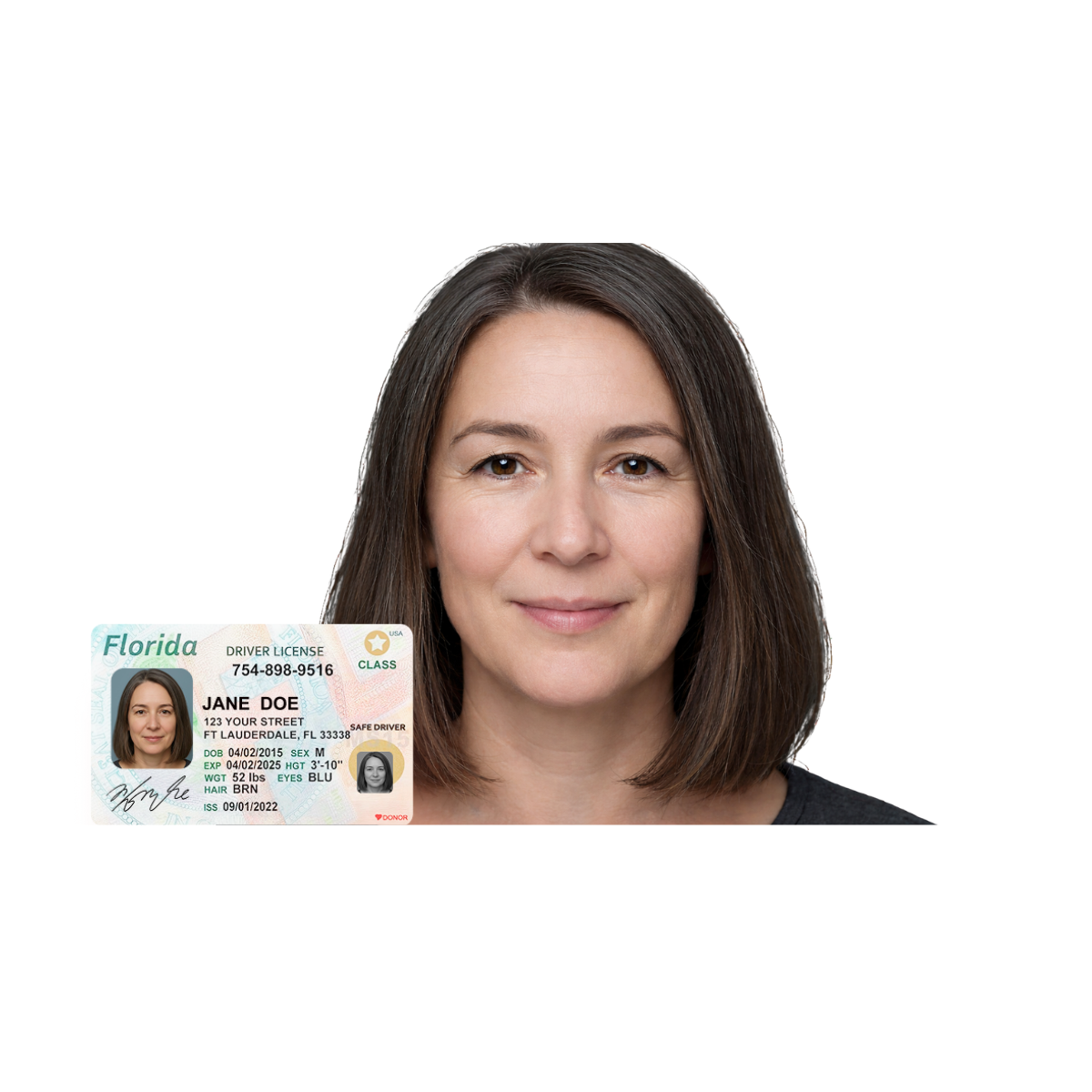
For lease tracking, the 80/20 rule creates a documentation obligation that touches every application cycle. Each new lease must connect to age-verification records that confirm the occupant’s eligibility. When those records live in separate spreadsheets, PDFs, and email threads, the documentation chain breaks, and gaps surface during audits or disputes.
Maintaining the 80/20 threshold requires ongoing documentation consistency across every unit, every lease cycle, and every new application. Manual processes struggle to keep that consistency at scale.
55+ Communities Verification is built for Florida Condos and HOAs and designed for Community Association Managers. It reduces manual work, standardizes application handling, supports documentation consistency, improves operational efficiency, and strengthens internal processes. It does not replace legal guidance, but it creates a more structured and scalable process for managing age-restricted requirements across applications.
When lease records and age-verification documentation stay connected inside one platform, CAMs can confirm occupancy status, retrieve documentation history, and respond to audit requests without searching across disconnected systems.
How TenantEvaluation Centralizes Lease Visibility and Lifecycle Control
TenantEvaluation is an all-in-one resident screening and onboarding platform built for community associations and management companies, with FCRA compliance as the foundation. Founded in 2007, it has processed more than 100,000 applications annually across over 5,000 communities in Florida.
Lease Tracking is a centralized operational capability built directly into the TenantEvaluation ecosystem. It connects resident onboarding, unit data, approvals, and lease documentation into one streamlined workflow. CAMs get real-time lease status visibility, automated lease document collection during onboarding, unit-level tracking tied to occupancy records, and a searchable digital history of leases, resident activity, and document trails, all audit-ready.
55+ Communities Verification sits inside the same platform and standardizes how age-restricted requirements are handled across applications. This reduces fragmented manual processes that create documentation gaps.
QuickApprove accelerates resident approvals inside one connected platform. It gives CAMs and boards a board-ready approval process with real-time application tracking, automated communication support, and reduced manual follow-ups, without losing control, compliance, or visibility.
Together, these capabilities replace spreadsheets, scattered email chains, and disconnected folders with one operational system that runs from application to occupancy.
Frequently Asked Questions
What is 55+ community lease management and what does it include?
55+ community lease management is the end-to-end process of capturing, tracking, and storing lease records from the initial application through active occupancy while standardizing age-verification documentation that supports the community’s age-restricted status. It includes collecting executed lease copies, confirming occupancy status, tracking lease expirations, and maintaining searchable, audit-ready records for every unit. In Florida Condos and HOAs, this process must also account for age-documentation requirements tied to the 80/20 occupancy threshold, so lease records and age-verification records need to stay connected throughout the lease lifecycle.
How should Florida CAMs track lease expirations in 55+ HOAs?
The most reliable method is a centralized digital system that assigns a real-time status to every lease, such as active, pending, expired, or missing, and surfaces upcoming expirations automatically. Manual spreadsheets require someone to update and monitor expiration dates continuously, which creates gaps during high-volume seasons or staff transitions. A platform-based approach automates document collection during onboarding, ties lease records to unit and resident profiles, and generates alerts before expirations occur. This approach removes the reactive follow-up cycle that manual tracking creates and gives CAMs a clear operational picture at any point in time.
What documentation should a 55+ community maintain to support the 80/20 rule?
Communities should maintain age-verification documentation for every occupied unit, including records that confirm the age of qualifying residents. This documentation should be collected consistently at the application stage, stored in a format that is searchable and retrievable, and connected to the corresponding lease record and unit profile. Policies that demonstrate the community’s intent to operate as age-restricted housing should also be documented and consistently applied. The goal is a complete, organized record for every unit that staff can produce quickly when needed. A centralized platform that standardizes how age-restricted requirements are handled across applications, such as TenantEvaluation’s 55+ Communities Verification, supports this documentation consistency without replacing legal guidance.
What are the risks of managing 55+ community leases with spreadsheets?
Spreadsheet-based lease management creates several operational risks for 55+ communities. Missing or outdated lease copies are common because there is no automated collection step during onboarding. Expiration tracking depends entirely on manual updates, which means lapses often go unnoticed until they become problems. Age-verification documentation is frequently stored separately from lease records, which makes it difficult to confirm eligibility status for any given unit. There is no audit trail for document changes or status updates. When staff changes occur, institutional knowledge about where records are stored often disappears with the person, which slows teams, creates inconsistency across units, and increases exposure during audits or resident disputes.
Who is responsible for lease tracking in a Florida community association?
Responsibility typically falls on the Community Association Manager, who handles day-to-day operational tasks such as document collection, status tracking, and follow-up with owners and tenants. The board of directors holds oversight responsibility and relies on the CAM to maintain accurate, up-to-date records. In larger management companies, a community operations team may share these responsibilities across a portfolio of properties. Regardless of structure, the key requirement is that lease records stay centralized, consistently maintained, and accessible to the right people without manual searching. A platform that connects onboarding, approvals, and lease documentation into one workflow reduces the coordination burden across all of these roles.
Conclusion: One Platform for Every Lease and Full Visibility
Fragmented spreadsheets and email chains do not provide a sustainable system for 55+ community lease management. They create missing records, inconsistent documentation, and audit exposure that grows with every new application cycle. Florida CAMs and boards need a repeatable, centralized process that connects every stage of the lease lifecycle, from application submission through active occupancy, without manual intervention at every step.
TenantEvaluation delivers centralized, real-time lease visibility and lifecycle control inside one connected platform. Lease Tracking, 55+ Communities Verification, and QuickApprove work together to replace disconnected tools with a single operational system built for Florida Condos and HOAs. No spreadsheets. No missing leases. No operational guesswork.
Experience TenantEvaluation’s Lease Tracking and 55+ Communities Verification in a personalized demo.
