Written by: Luis Teran, Co-founder, CEO, TenantEvaluation
Key Takeaways
- Florida 55+ communities face fraud losses exceeding $2.4 billion annually, and imposter scams nearly doubled in 2025.
- Romance, tech support, grandparent, investment, and government impersonation scams target seniors most frequently.
- Biometric verification with liveness detection and facial matching blocks applicant identity fraud more effectively than document checks alone.
- Standardized 55+ workflows automate age verification, cut manual work, and keep CAMs aligned with FCRA screening rules.
- Florida communities can implement comprehensive fraud prevention with TenantEvaluation’s all-in-one platform built for local associations.
Florida 55+ Fraud Crisis: Dual Threats to Residents and Operations
Florida’s age-restricted communities face two major fraud risks that affect both residents and operations. External scammers target residents through sophisticated schemes, and internal applicant fraud threatens community security through identity theft and age verification circumvention.
Investment scams are a leading category of fraud losses for older adults and have increased substantially since 2023. These investment schemes often work alongside romance scams and impersonation schemes, which build trust before requesting money. This combination of tactics helps explain why adults 60 and older now report high-value losses above $100,000 at much higher rates than in previous years.
Applicant fraud also infiltrates communities through stolen identities and synthetic profiles. Traditional document-based screening cannot reliably detect sophisticated impersonation attempts, which creates liability exposure for CAMs and boards managing age-restricted properties.

See how comprehensive fraud prevention works in a live demo and review protection options for your community.
Core Fraud Terms and a Four-Stage Protection Framework
Identity fraud uses stolen or fabricated personal information to gain unauthorized access. Biometric verification confirms physical presence through facial recognition and liveness detection. 55+ workflows standardize age-restricted application handling. FCRA compliance ensures lawful background screening practices.
Effective fraud prevention follows a four-stage framework. First, communities provide resident alerts and education. Second, CAMs use robust applicant screening with biometric verification. Third, boards rely on streamlined approval processes. Fourth, teams conduct ongoing compliance audits. This approach addresses both external resident targeting and internal applicant fraud risks.
2026 Trends: Scams and ID Fraud Surging in Florida 55+
Florida experiences disproportionate fraud targeting due to its large senior population and high-value real estate markets. The FTC recorded 845,806 imposter scam reports in 2024 alongside $2.95 billion in total impersonation losses. These national figures, which include the Florida losses mentioned earlier, highlight how quickly impersonation fraud is growing.
Deepfake technology now enables more sophisticated impersonation attempts that can fool traditional checks. Face swap attempts have increased substantially, while the number of deepfakes detected worldwide quadrupled between 2023 and 2024.
Federal legislation is responding to this escalation in fraud. The bipartisan STOP Scams Against Seniors Act and National Strategy for Combating Scams Act create coordinated enforcement frameworks across federal agencies, with a strong focus on prevention and prosecution of elder-targeted fraud.
Common Scams Targeting 55+ Residents
The table below highlights the most common scams targeting 55+ residents, the warning signs to watch for, and simple prevention steps residents can follow.
| Scam Type | Red Flags | Prevention |
|---|---|---|
| Romance Scams | Online relationship, requests for money, avoids meeting | Never send money to online contacts |
| Tech Support | Unsolicited calls about computer problems, remote access requests | Hang up, contact tech companies directly |
| Grandparent Scams | “Emergency” calls from “grandchildren” needing money | Verify identity through family members |
| Investment Fraud | Guaranteed returns, pressure to invest quickly | Research investments independently |
| Government Impersonation | Threats of arrest, demands for immediate payment | Government agencies don’t demand gift cards |
Residents should follow the “pause, reflect, protect” approach when they encounter suspicious contacts. Older adults were five times more likely than younger people to report losing money on tech support scams, which shows how critical targeted education has become.
Fraud Risks in Daily 55+ Operations
Community managers regularly handle resident reports of suspected scams, which creates documentation and liability concerns. Manual age verification processes also allow fraudulent applicants to bypass 55+ requirements through document manipulation or identity theft.
Traditional screening workflows rely heavily on uploaded documents that cannot verify physical presence or detect sophisticated forgeries. This gap creates operational vulnerabilities where fraudulent applicants gain community access, which can compromise resident safety and community compliance.
Compliance and Liability Essentials for Florida CAMs
Florida CAMs must navigate FCRA requirements for background screening while still protecting resident privacy. The FCRA standards described earlier become especially important when communities adopt new tools and workflows.
Biometric verification strengthens compliance by creating auditable identity confirmation records that support defensible screening decisions. The Elder Abuse Prevention and Prosecution Act also requires comprehensive data collection on elder financial exploitation. CAMs that implement robust fraud prevention show proactive risk management, which reduces liability exposure and supports regulatory compliance.
Biometric Identity Verification to Stop Applicant Fraud
Modern fraud prevention now depends on moving beyond document-based screening to biometric identity confirmation. The global biometric identity verification market is projected to grow from $8.88 billion in 2025 to $17.81 billion by 2030, driven by rising digital fraud and remote onboarding needs.
Effective biometric verification follows a clear seven-step process.
- Government ID validation – Authenticate document security features.
- AI-powered liveness detection – Confirm physical presence.
- Facial landmark mapping – Create a biometric template.
- Selfie-to-ID comparison – Match the live image to the document photo.
- Real-time processing – Complete verification within minutes.
- Audit trail creation – Document verification results.
- FCRA-compliant integration – Maintain the screening workflow compliance described in the framework.
Leading biometric verification technology achieves success rates typically greater than 98%, and many organizations report strong completion rates for online onboarding that uses liveness detection.
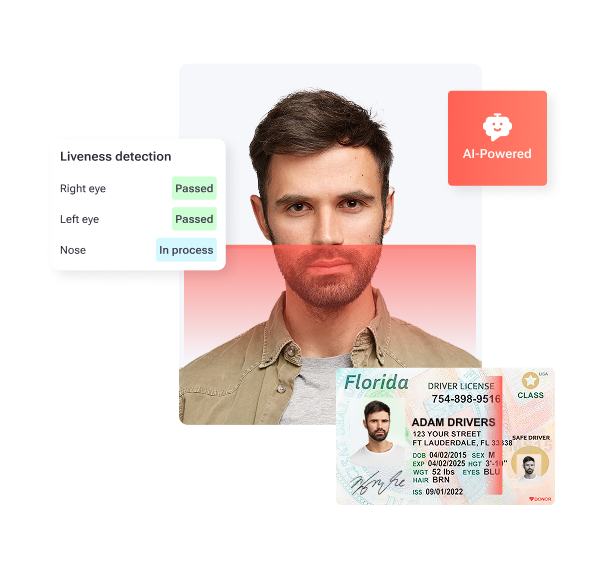
TenantEvaluation’s IDVerify integrates biometric verification directly into the screening workflow. This approach removes the need for external portals and maintains applicant trust within a single platform.
Standardizing 55+ Application Handling in Florida Communities
Age-restricted communities need consistent documentation and verification processes to maintain compliance and operational efficiency. Manual handling creates inconsistencies that expose communities to audit risks and extra administrative burden. The table below contrasts manual and standardized approaches across key process elements so CAMs can see where automation closes compliance gaps.
| Process Element | Manual Approach | Standardized Workflow |
|---|---|---|
| Age Verification | Email exchanges, PDF reviews | Automated document validation |
| Documentation | Scattered files, inconsistent records | Centralized, auditable database |
| Communication | Multiple follow-up calls | Automated status updates |
| Compliance | Manual audit preparation | Built-in compliance reporting |
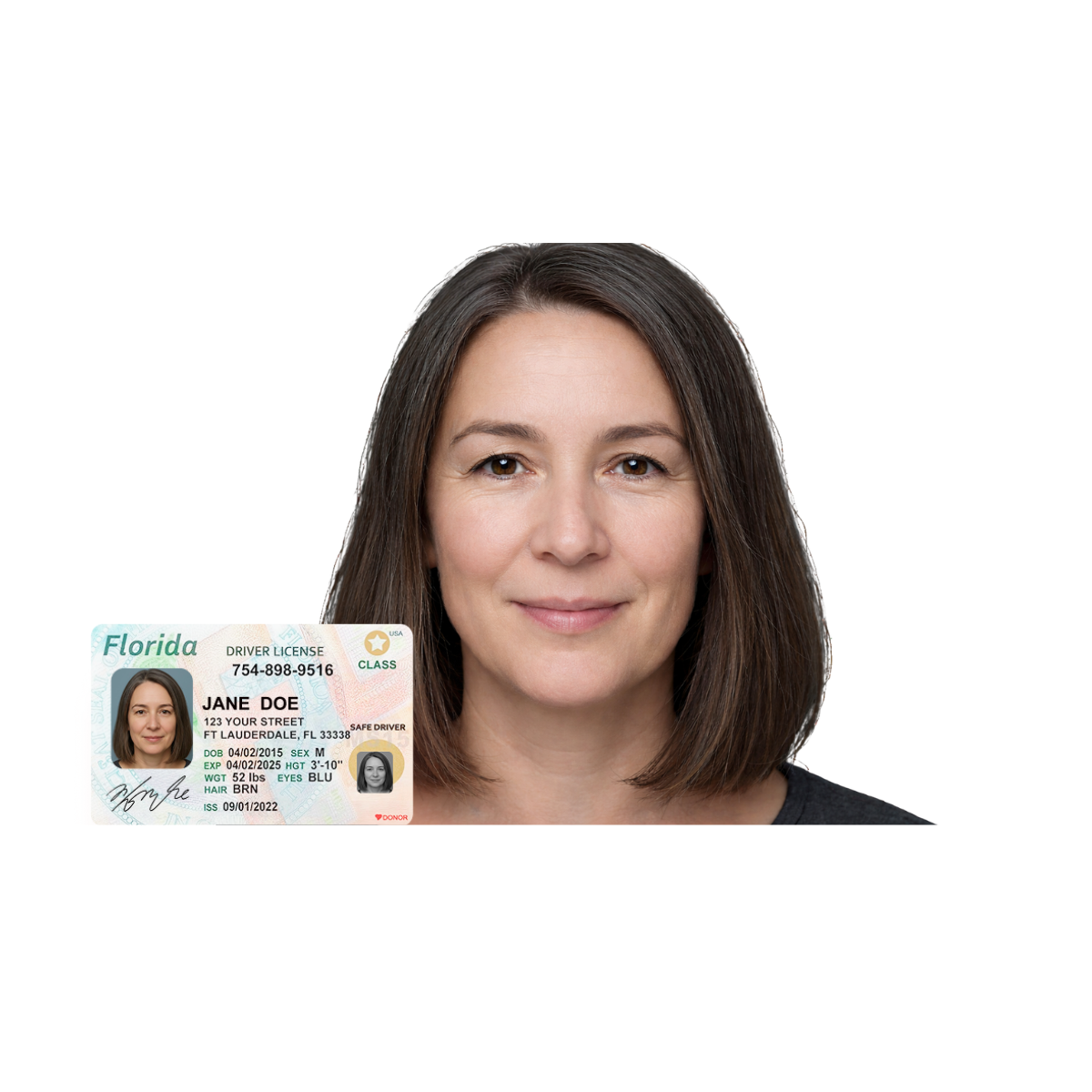
TenantEvaluation’s 55+ Communities Verification reduces manual work, standardizes application handling, and supports documentation consistency. The system is built for Florida condos and HOAs, designed for Community Association Managers, improves operational efficiency, and strengthens internal processes.
Protecting Seniors from Scams: Actionable Tips
- Verify caller identity independently through official numbers.
- Never provide personal information to unsolicited contacts.
- Avoid gift card payments because legitimate organizations do not request them.
- Research investment opportunities through independent sources.
- Report suspicious activity immediately to authorities.
How to Report Elder Fraud Effectively
Residents should report suspected fraud through several channels to ensure a response. The National Elder Fraud Hotline (833-372-8311) provides specialized assistance for elder financial exploitation. Additional resources include the FTC Consumer Sentinel Network, state adult protective services, and local law enforcement agencies.
Request a walkthrough of TenantEvaluation’s fraud reporting tools to support comprehensive prevention systems in your community.
Evaluating Fraud Prevention Tools for 55+ Communities
The table below outlines the core features CAMs should review when comparing fraud prevention tools and how TenantEvaluation addresses each area.
| Feature | Essential Criteria | TenantEvaluation Advantage |
|---|---|---|
| FCRA Compliance | Built-in adverse action workflows | Direct credit bureau reseller |
| Biometric Verification | Liveness detection, facial matching | Native platform integration |
| 55+ Workflows | Age verification automation | Florida-specific compliance |
| Audit Capabilities | Complete documentation trails | Real-time reporting dashboard |
Effective fraud prevention tools must integrate smoothly with existing workflows while still providing comprehensive verification capabilities. AI-driven multimodal biometrics combining facial recognition, fingerprint, iris, and voice analysis improve verification accuracy with fewer false positives.
Why TenantEvaluation Leads 55+ Community Fraud Prevention
TenantEvaluation provides an all-in-one platform specifically designed for Florida community associations. The solution combines IDVerify biometric verification, 55+ Communities Verification, and QuickApprove board management in a single FCRA-compliant system.

The platform serves more than 5,000 communities, processes over 100,000 applications annually, and has generated $150 million for community associations while maintaining a 4.8/5 Google rating. A Florida-based management company saved $240,000 annually by switching to TenantEvaluation and freed up 50 hours each day for strategic operations.
| Metric | TenantEvaluation | Traditional Competitors |
|---|---|---|
| Processing Time | 5-10 minutes | 5-10 days |
| Biometric Integration | Native platform | External portals |
| 55+ Workflows | Built-in verification | Manual processes |
| Board Access | Dedicated dashboard | Limited visibility |
Experience zero-fraud onboarding in action with a demo tailored to your 55+ community.
Frequently Asked Questions
What is biometric identity verification and how does it work?
Biometric identity verification uses unique physical characteristics like facial features to confirm identity. The process includes government ID validation, AI-powered liveness detection to ensure physical presence, and facial matching between a live selfie and the ID photo. These layers work together to prevent impersonation attempts and synthetic identity fraud.
How does 55+ verification reduce manual work for CAMs?
Automated 55+ verification removes repetitive email exchanges, PDF reviews, and follow-up calls by standardizing age documentation requirements within the application workflow. The system automatically validates age-related documents, creates consistent records, and provides real-time status updates. CAMs can then focus on strategic community management instead of administrative tasks.
What is the Seniors Fraud Prevention Act and how does it impact communities?
The STOP Scams Against Seniors Act authorizes Elder Justice Task Forces to coordinate federal, state, and local agencies in investigating and prosecuting scammers targeting seniors. This legislation strengthens protection for 55+ community residents by improving fraud detection, prosecution, and prevention resources available to law enforcement and community managers.
What is the National Elder Fraud Hotline and when should it be used?
The National Elder Fraud Hotline (833-372-8311) provides specialized assistance for financial crimes targeting adults over 60. Community managers and residents should use this resource when they encounter suspected elder financial exploitation, romance scams, investment fraud, or other schemes that target older adults. The hotline connects callers to trained specialists who can guide reporting and investigation steps.
What are common phrases scammers use to target seniors?
Scammers often create urgency with phrases like “act now or lose this opportunity,” “do not tell anyone about this deal,” “you have won a prize but must pay fees first,” or “your account will be closed unless you verify information immediately.” Government impersonation scams use authoritative language such as “you owe back taxes” or “there is a warrant for your arrest.” Residents should treat any unsolicited contact that demands immediate action or payment as suspicious.
Conclusion: Fraud-Proof Your 55+ Community Now
Florida’s 55+ communities need comprehensive fraud prevention strategies that address both resident education and applicant screening. Biometric identity verification, standardized age verification workflows, and FCRA-compliant background screening create multiple protection layers that safeguard vulnerable residents and reduce administrative burden.
TenantEvaluation’s integrated platform offers a solution specifically designed for Florida community associations, combining resident protection with operational efficiency. See how fraud-proof onboarding works in your community and put stronger protections in place for your residents.
