Written by: Luis Teran, Co-founder, CEO, TenantEvaluation
Key Takeaways for Florida 55+ Communities
- The federal 80/20 rule under HOPA requires at least 80% of occupied units in a 55+ community to have one resident aged 55 or older to keep the age-restriction exemption.
- Adult children may live with a qualifying 55+ resident if the HOA’s governing documents allow it, but children under 18 are usually prohibited from full-time residency.
- Guest stays are generally capped at around 30 days per calendar year, and extended visits need registration and tracking so they are not treated as permanent residency.
- Manual age-verification processes often cause incomplete documentation, inconsistent enforcement, fragmented records, and higher audit risk for Florida CAMs and boards.
- TenantEvaluation streamlines age-restricted application handling and occupancy tracking for Florida HOAs, learn more here.
The 80/20 Rule in Florida 55+ Communities
Under HOPA, at least 80% of occupied units in a qualifying 55+ community must have at least one resident aged 55 or older. The rule applies only to occupied units, not total units, which affects how associations calculate and track their threshold.
A community that falls below the 80% threshold risks losing its HOPA exemption entirely. Loss of the exemption would require the community to accept residents of any age and would remove its ability to enforce age restrictions.
To maintain HOPA exemption, a 55+ community must meet three criteria. It must be intended and operated for persons 55 or older, ensure that at least 80% of occupied units have one resident aged 55 or older, and publish and consistently enforce written age-restriction policies.
HOPA regulations also require communities to re-survey residents at least every two years using reliable methods. Associations must document results so they can prove ongoing compliance during HUD audits or fair housing complaints.
| Category | Permanent Resident | Guest / Visitor |
|---|---|---|
| Age rule applies | Counts toward the 80% threshold when at least one resident is 55 or older. | No, HOPA does not restrict visitors. |
| Documentation required | Yes, reliable surveys and affidavits. | Varies by HOA policy, registration often required. |
| Stay duration | Indefinite, subject to occupancy rules. | Commonly capped at around 30 days per calendar year. |
| Counts against 20% allowance | No, if at least one resident is 55 or older. | No. |
Adult Children Living in a Florida 55+ Community
Adult children age 18 or older are often permitted to live full-time with a qualifying parent in a 55+ community. At least one resident must meet the 55+ requirement, and the HOA must allow additional adult occupants.
Individual HOA governing documents vary widely, so some communities require prior board approval or limit total occupants per unit.
Key considerations for adult-child residency scenarios include:
- HOPA does not prohibit adult children from living with a qualifying 55+ resident. These arrangements follow each community’s rules and do not affect the 80% requirement when at least one resident is 55 or older.
- Special family circumstances that allow an under-55 adult child to reside with a 55+ resident are treated as limited, documented exceptions. The community’s governing documents must confirm how these exceptions work.
- Children under age 18 are typically prohibited from full-time residency. Some HOAs may grant time-limited exceptions for medical hardship or temporary guardianship with formal association approval.
- Many 55+ communities set a minimum resident age such as 19+ and prohibit full-time residency by minors. Temporary visits are usually allowed, subject to limits on stay length and frequency.
- Each community’s bylaws define whether adult-child residency needs a formal application, a board vote, or extra documentation beyond standard age verification.
Ready to standardize how your community handles adult-child scenarios? See how TenantEvaluation’s 55+ Communities Verification reduces manual work for Florida CAMs and boards.
Guest Policies in Florida 55+ Communities
The 80/20 rule under HOPA applies only to permanent residents and does not restrict visitors or guests. The line between a guest and a permanent resident matters operationally, because a person who stays beyond the defined guest period may be reclassified as a resident.
Once a guest becomes a resident under community rules, age-verification and documentation requirements apply.
Typical guest policy elements in Florida 55+ communities include:
- Guest stays in 55+ communities are commonly capped at around 30 days per calendar year.
- Registration requirements for guests, especially those under 18.
- Restrictions on guest access to amenities without a qualifying resident present.
- Requirements that children be accompanied by adults at community events and in common areas such as pools.
Guest policies come from each HOA’s governing documents and differ across communities. CAMs and boards must enforce these policies consistently and document any exceptions.
Grandchildren Visit Length in Florida 55+ Communities
Visiting policies for grandchildren in 55+ communities are usually more flexible than residency rules. Most communities allow visits, but they set limits on stay length and require registration for guests under 18 when full-time residency is not allowed.
As noted above, many communities cap guest stays at around 30 days per calendar year to prevent conversion into permanent multi-generational residences.
Documentation practices for extended visits typically include:
- Guest registration forms submitted to the association office.
- Written notice to the board or management company for stays that exceed a defined threshold.
- Tracking of cumulative visit days per unit per calendar year.
- Formal approval requests for stays beyond the standard guest period.
Consistent record-keeping for guest visits supports practical enforcement. Without centralized tracking, associations struggle to see when a guest’s stay exceeds policy limits, which creates enforcement gaps and potential audit exposure.
Documents and Criteria Florida Associations Collect for HOPA Compliance
Reliable surveys and affidavits form the backbone of age verification for 55+ community compliance under HOPA. Associations use these documents to prove who lives in each unit and how each household counts toward the 80/20 threshold.
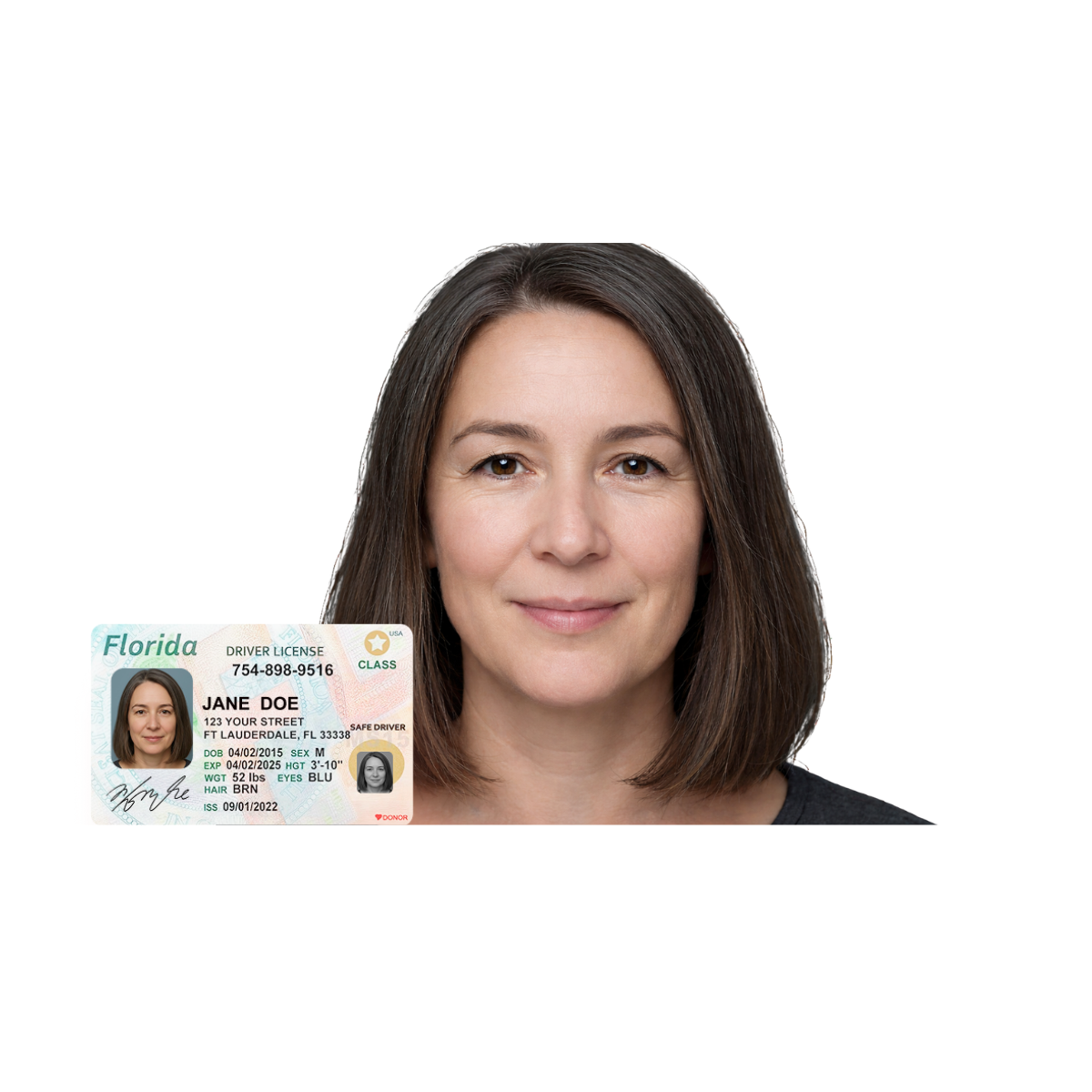
Standard documentation collected during the age-verification process includes:
- Completed residency application with occupant declarations.
- Signed affidavit confirming age and occupancy status.
- Lease or purchase agreement identifying all occupants.
- Caregiver documentation, when applicable, including medical necessity statements and prior HOA approval.
- Guest registration forms for extended visits that approach residency thresholds.
Each document serves a specific compliance purpose. Applications and affidavits establish initial age qualification, lease agreements identify all occupants for 80/20 tracking, and caregiver documentation supports exceptions that require board approval.
Age verification records are maintained to demonstrate compliance with HOPA during audits or fair housing complaints. Maintaining complete records for every occupied unit gives the association a defensible audit trail.
Common Challenges in Manual Age-Restriction Enforcement
Manual age-verification processes create compounding operational problems for Florida CAMs and boards. The documentation requirements described above become harder to manage when staff rely on email, spreadsheets, and paper files.
The most frequent challenges include:
- Incomplete submissions: Applicants submit partial documentation, which forces staff to chase missing items through email, phone calls, and in-person visits.
- Inconsistent enforcement: Without a standardized workflow, different staff or board members apply different documentation standards to similar applicant scenarios.
- Fragmented record-keeping: Age-verification documents stored across email inboxes, physical folders, and spreadsheets create gaps in the audit trail.
- Re-verification gaps: The biennial re-survey requirement noted earlier becomes difficult to track manually, which makes it hard to identify units that are overdue.
- Audit exposure: If a community’s age-qualified occupancy falls below 80%, it risks losing its HOPA exemption and exposing the association and board members to fair housing liability.
- Administrative burden: High-volume application seasons magnify every manual step and consume staff hours that could support higher-value work.
Best Practices Florida Associations Use for Consistent Enforcement
Florida associations that enforce age restrictions consistently rely on clear governance and structured documentation. These practices turn HOPA requirements into repeatable daily workflows.
- Adopt written, board-approved age-verification policies that define acceptable documents, submission timelines, and procedures for exceptions such as caregivers or adult children.
- Apply the same documentation checklist to every applicant regardless of how the application arrives, which removes discretionary variation in what staff request.
- Track occupancy percentages in real time so the association always knows its current position relative to the 80% threshold. This real-time tracking also highlights which units are approaching their biennial re-survey deadline.
- Schedule biennial re-surveys proactively based on that tracking, and retain documented methodology and results for HUD review.
- Maintain a centralized, searchable record system for all age-verification documents, affidavits, and survey results with clear retention timelines.
- Document all exceptions formally, including caregiver arrangements and adult-child residency approvals, supported by board minutes or written resolutions.
- Train all staff and board members on the community’s specific policies so enforcement stays consistent through personnel changes.
Streamlining Age-Restricted Application Handling with TenantEvaluation
Digital workflows address the root causes of manual enforcement failures by replacing fragmented, email-heavy processes with structured, consistent application handling. When age-restricted requirements live inside the application workflow itself, documentation consistency improves and administrative burden drops.
TenantEvaluation’s 55+ Communities Verification is a built-in capability designed for Florida condos and HOAs. It standardizes how age-restricted requirements are handled across applications, reduces manual work, improves documentation consistency, and strengthens internal processes for CAMs, boards, and property management teams.
Unlike generic tools, TenantEvaluation reflects real Florida association workflows and supports operational efficiency and internal control without replacing legal guidance.
For associations that also manage lease documentation and occupancy tracking, TenantEvaluation’s centralized platform connects resident onboarding, unit data, approvals, and lease documentation into one streamlined, audit-ready workflow. CAMs and boards gain real-time visibility from application submission through occupancy.
Book a walkthrough to see how Florida associations use TenantEvaluation to eliminate fragmented tracking and strengthen audit readiness for 55+ communities.
Frequently Asked Questions
What is the 80/20 rule in Florida 55+ communities?
The 80/20 rule is a federal requirement under the Housing for Older Persons Act (HOPA) that at least 80% of occupied units in a qualifying 55+ community must have at least one resident aged 55 or older. The remaining 20% of occupied units may include residents under 55, such as a younger spouse or partner, a live-in caregiver, or an adult child, depending on the community’s governing documents. The rule applies to occupied units, not total units, and communities must track this threshold continuously. Falling below 80% risks loss of the HOPA exemption, which would require the community to accept residents of any age.
Can a person under 55 live permanently in a Florida 55+ community?
Yes, a person under 55 can live with a qualifying 55+ resident within each community’s rules. Common examples include a spouse or partner under 55 living with a qualifying 55+ resident, a live-in caregiver approved by the HOA, and an adult child residing with a qualifying parent. These arrangements follow the community’s governing documents and do not affect the 80% occupancy requirement when at least one resident is 55 or older. Some HOAs require prior board approval and formal documentation for any under-55 permanent resident. Children under 18 are typically prohibited from full-time residency, with limited hardship exceptions that require formal association approval.
How long can grandchildren visit a 55+ community in Florida?
Visit duration is governed by each community’s HOA policies, not by HOPA directly. Most communities allow grandchildren to visit but commonly cap stays at around 30 days per calendar year per unit. Extended stays beyond the defined guest period usually require advance notice or formal approval from the association. Registration requirements for guests under 18 are common. CAMs and boards must track cumulative visit days and enforce guest policies consistently so long-term guest arrangements are not reclassified as permanent residency without proper documentation.
What documents does a Florida 55+ community need to collect for age verification?
Associations use reliable methods such as surveys and affidavits to verify ages for HOPA compliance. Documentation and records are maintained to demonstrate ongoing compliance, and HOPA requires periodic re-surveys of residents. A consistent verification process and complete records help support compliance during any reviews or complaints.
What happens if a Florida 55+ community fails to maintain the 80% occupancy threshold?
A community that falls below the 80% threshold loses its HOPA exemption. Without that exemption, the community can no longer lawfully enforce age restrictions and must accept residents of any age, including families with minor children. Board members and the association may also face fair housing liability exposure under the Fair Housing Act. Maintaining accurate, up-to-date occupancy records and conducting biennial re-surveys are the primary operational safeguards against falling below the threshold without warning. Consistent documentation and a structured verification process form the foundation of ongoing compliance readiness.
Conclusion: Making 55+ Enforcement Manageable for Florida Associations
Enforcing 55+ community age restrictions in Florida requires consistent application of the rules across every applicant, every unit, and every documentation cycle. The 80/20 threshold under HOPA functions as a continuous operational requirement, not a one-time qualification. Manual, fragmented processes make consistent enforcement difficult and create audit exposure that grows over time.
Florida CAMs, boards, and property management teams that standardize their age-verification workflows with clear documentation checklists, centralized record-keeping, and structured application handling are better positioned to maintain their HOPA status and reduce administrative burden. TenantEvaluation’s 55+ Communities Verification is built specifically to support that standardization for Florida condos and HOAs.
Get a personalized demo showing how TenantEvaluation helps Florida associations standardize age-restricted application handling, reduce manual work, and strengthen documentation consistency across their communities.
